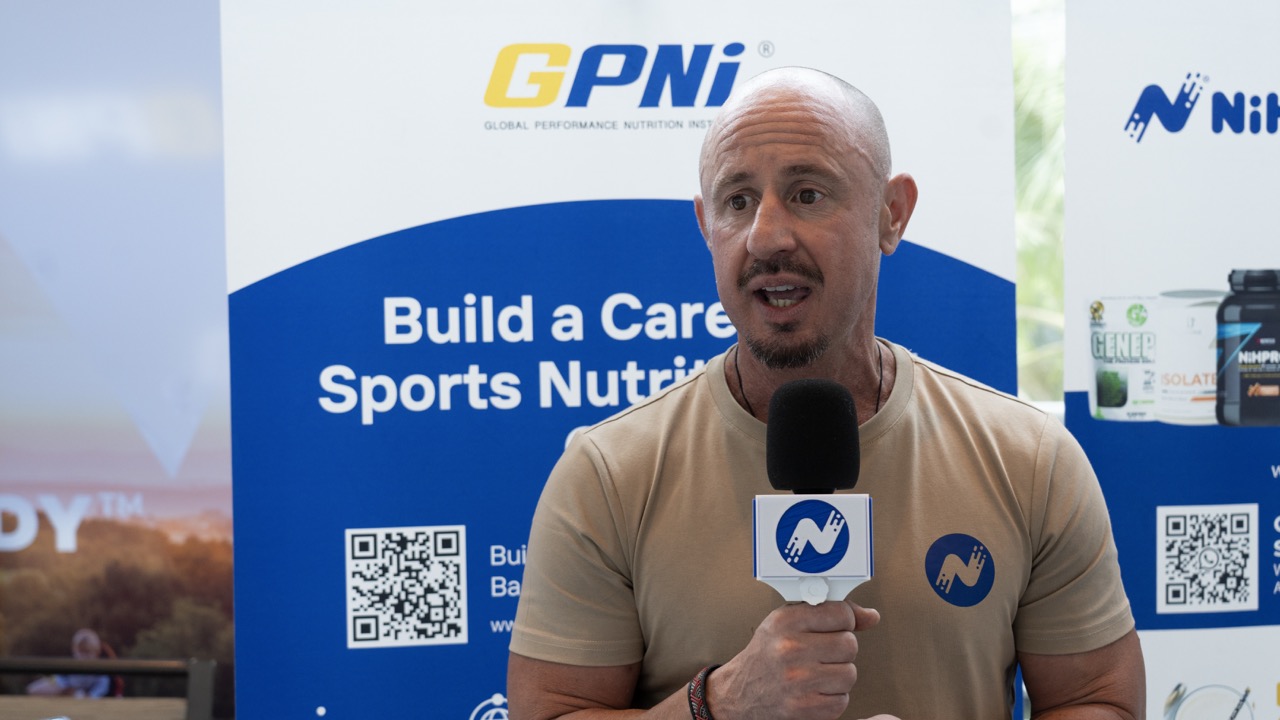
By Drew Campbell, CISSN, Founder of GPNi®
A Word From the Founder by Drew Campbell, CISSN
I have spent more than 30 years around sports nutrition, and one lesson has become clearer with time: a lasting career is rarely built in one dramatic move. It is built in layers.
People often see the qualification, the job title or the finished product. They do not always see the years of reading, the early conversations, the mistakes, the mentors, the practical work and the willingness to keep learning when no one is watching. Those quieter layers are usually where a professional identity is formed.
My own route was not a straight line. I began on the retail floor in Melbourne, working with customers and learning to explain products and nutrition in language people could actually use. Books gave me information. Customers gave me questions. Experienced people gave me perspective. Every part mattered.
Knowledge is the first layer—but it cannot be the only one
Sports nutrition is a science-based profession. You need to understand physiology, nutrition, training demands, recovery and the quality of evidence behind a recommendation. There is no responsible shortcut around that foundation.
At the same time, knowing a definition is not the same as knowing what to do with it. A professional has to interpret context. What is the athlete trying to achieve? What training are they doing? What can they afford? What will they consistently follow? What is inside your professional scope, and when should you refer to another qualified practitioner?
That is why I have never believed education should be reduced to memorising enough facts to pass a test. A strong programme should help you think, apply, communicate and make better decisions.
Practical ability is built through use
The next layer is application. Early in a career, that may mean working through case studies, writing reports, observing experienced professionals, practising client conversations or helping on a research project. Later, it may mean leading a team, evaluating a new ingredient or building a programme for a different population.
Application exposes the gaps that theory can hide. It forces you to explain why a recommendation fits this person, at this time, for this goal. It also teaches humility. Sometimes the most professional answer is not a clever answer; it is to say that you need more information, to check the evidence or to refer onward.
Credibility is earned in small decisions
A credential can create an opportunity, but credibility grows through behaviour. Do you cite evidence accurately? Do you avoid promising more than the science supports? Do you respect scope of practice? Do you correct yourself when new information changes the picture? Do people trust you to do the work properly when there is no spotlight?
In a field crowded with fast claims, credibility can feel slower. I still believe it is the stronger long-term strategy. The professionals who endure are usually the ones who protect trust.
Connections change what becomes possible
No meaningful career is built alone. The people I have met through the International Society of Sports Nutrition, industry, research, education and events have challenged my thinking and opened doors I could not have planned.
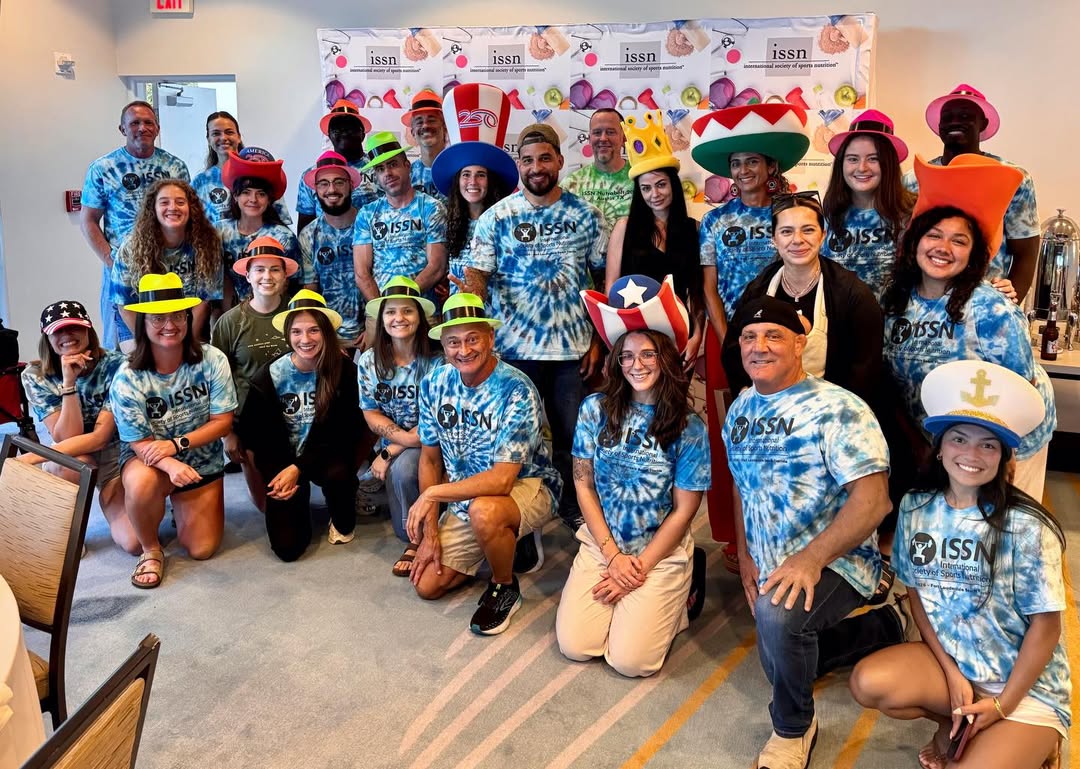
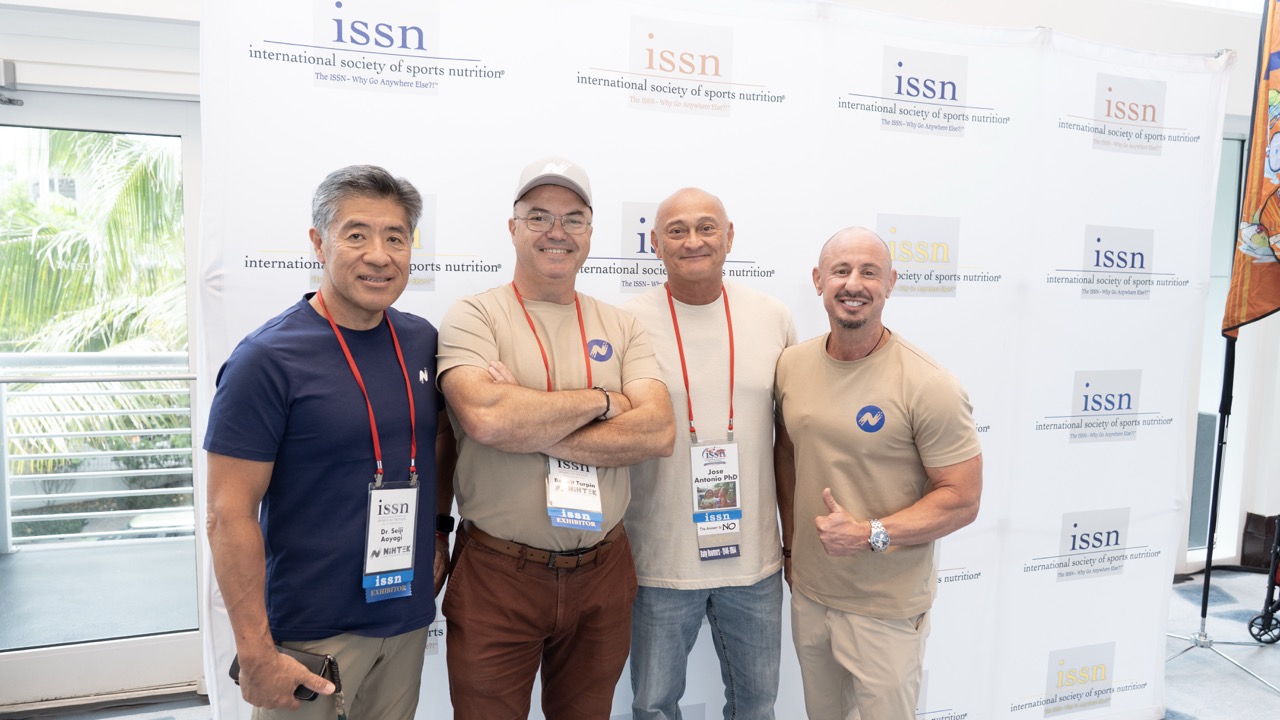
A good professional network is not a collection of names. It is a community in which you contribute, ask thoughtful questions, share opportunities and build a reputation over time. Conferences matter for this reason. So do mentors, peers, students and the people working in roles very different from your own.
Build the next layer
If you are early in your career, you do not need to have the whole map. Decide which layer needs your attention now. Perhaps your science foundation needs strengthening. Perhaps you need more practical exposure. Perhaps you need to communicate your work more clearly or enter rooms where serious professionals exchange ideas.
GPNi was built to help bring those layers together through structured sports nutrition education, applied learning and connection to the wider ISSN community. A certificate should mark real development. It should also give you a stronger platform for what comes next.
Build knowledge. Build practical ability. Build credibility. Build connections. Then keep building.
A simple layer audit
Write four headings on a page: knowledge, application, credibility and connections. Under each, record one piece of evidence from the past year. A completed course may sit under knowledge. A case, project or presentation may show application. Accurate public communication and appropriate referrals help demonstrate credibility. Mentors, collaborators and professional groups belong under connections.
The empty section is not a judgement. It is a planning signal. Choose one realistic action for the next 90 days, give it a deadline and decide what evidence will show that the layer has grown. Careers can feel overwhelming when viewed as one large destination. They become more manageable when treated as the next layer of work.
Professional reminder: qualifications support development, but scope-of-practice rules differ by jurisdiction. Always work within your legal and professional remit.












 Instagram
 Facebook
 YouTube
 Twitter
 Linkedin