
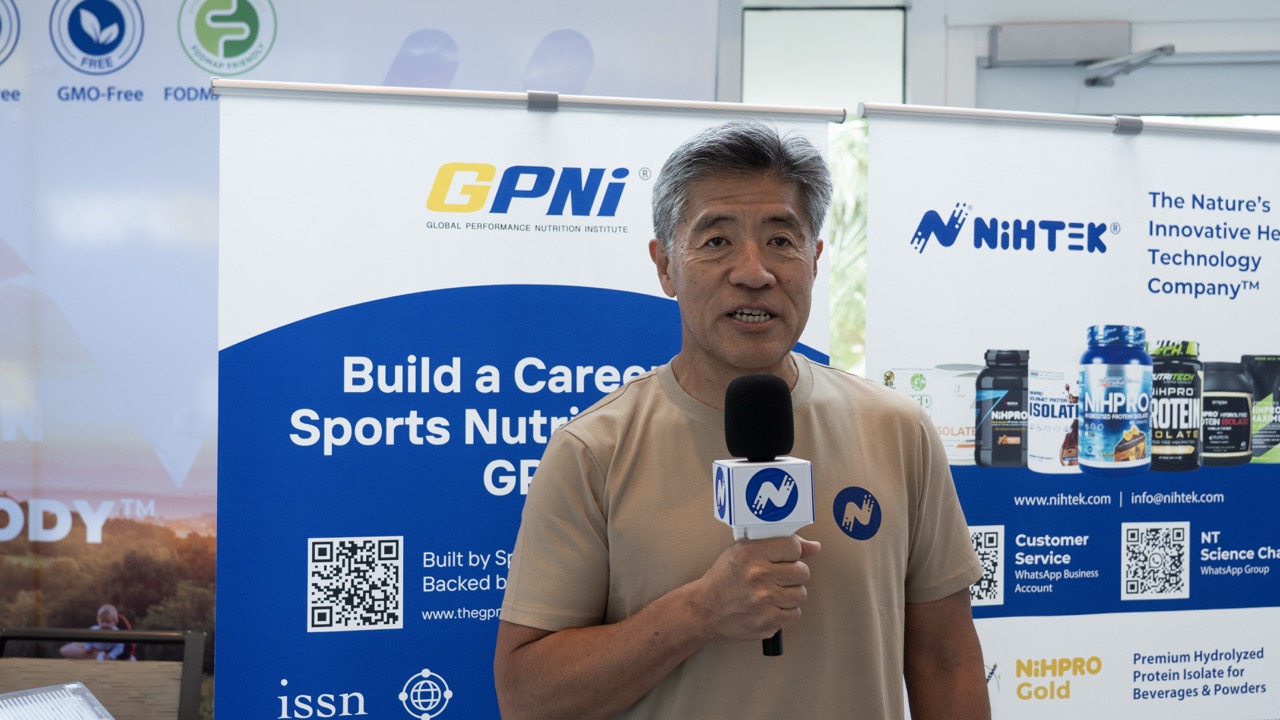
Global education does not become accessible merely because it is placed online. Learners still need language, context, and a pathway that makes sense within their local professional environment. Dr. Seiji Aoyagi saw that gap in Japan and decided to do something about it.
“I wanted to bring this programme to Japan.”
— Dr. Seiji Aoyagi
Dr. Seiji Aoyagi
- Chief Science Officer of NiHTEK®
- Owner and partner of GPNi Japan
- More than 30 years across clinical nutrition, sports nutrition, ingredients, and education
- CISSN-certified sports nutrition professional
- Long-time participant in ISSN conferences
Why the Programme Needed to Be Localized
Dr. Seiji had attended ISSN conferences for many years when he encountered the GPNi® programme. He saw a curriculum that was comprehensive while remaining accessible to learners who needed a strong foundation before moving into more advanced study.
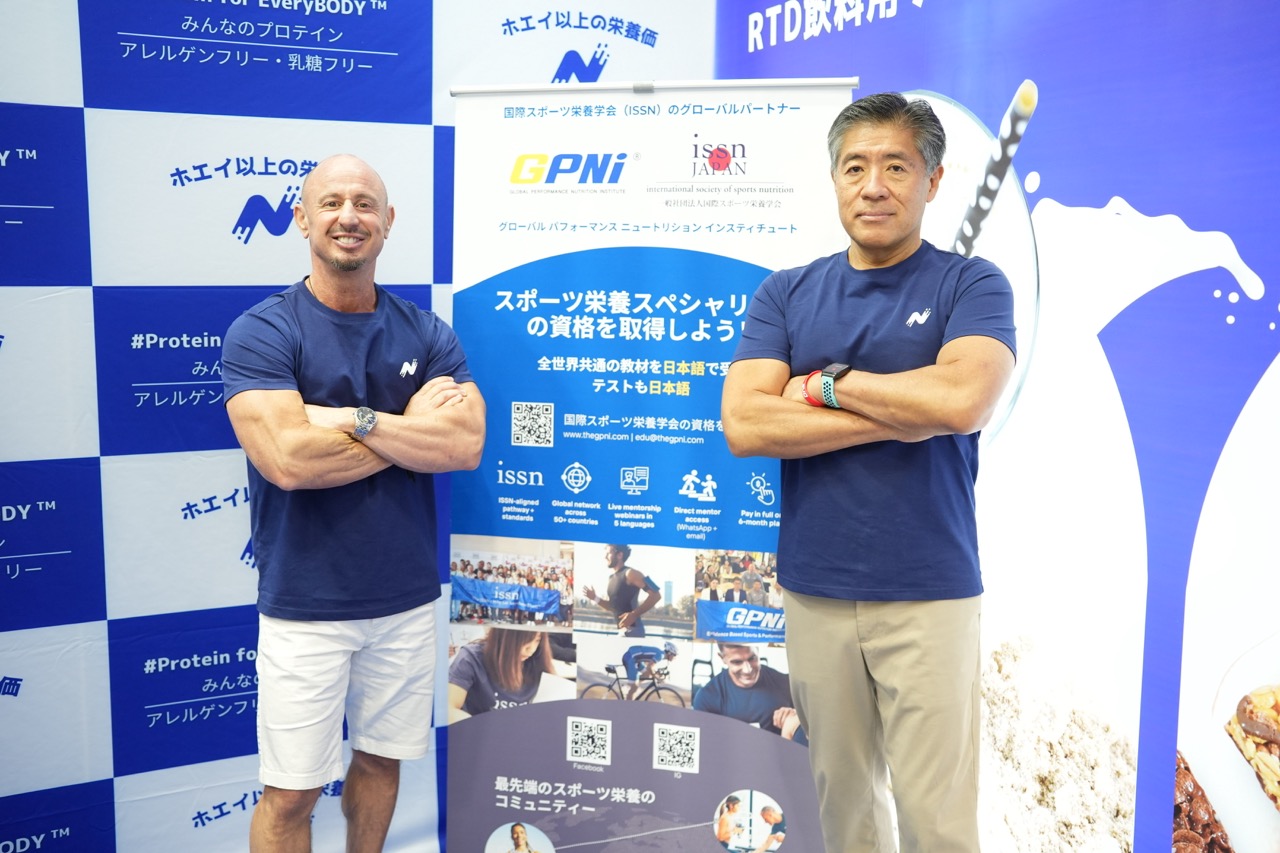
He also saw a practical barrier: the introductory pathway was not available in Japanese. Bringing it to Japan required more than attaching subtitles to a few videos. Course materials, slides, terminology, and explanations all had to remain accurate while becoming natural enough for Japanese learners to follow.
The translation took roughly a year. That investment reflects a larger truth about international education: localization is professional work. Poor translation can distort technical meaning, make a course unnecessarily difficult, or leave learners memorising English phrases without understanding the underlying concepts.
A Foundation Before Advanced Certification
The Japanese version of PNE Level-1 + ISSN-SNS gives learners a structured introduction to sports nutrition fundamentals. For people who later want deeper study, PNE Level-2 Masters + CISSN offers a more advanced route, although that programme is not currently translated into Japanese.
Dr. Seiji’s description is deliberately measured. A foundation course should not pretend to make someone an expert overnight. Its value is in organising the basics, introducing evidence-based reasoning, and giving learners enough understanding to decide how far they want to progress.
Translation Is Also a Form of Professional Infrastructure
When high-quality education is available only in one language, access is determined partly by English fluency rather than professional potential. Translation widens the group of coaches, trainers, health professionals, students, and industry staff who can engage with the same international evidence base.
It also supports better communication within the local market. Shared terminology helps professionals discuss research, products, athlete needs, and scope of practice more clearly. Over time, that can raise expectations for the quality of sports nutrition advice.
Connecting Japan with a Global Community
Dr. Seiji’s work with GPNi Japan connects local learners to more than a set of lessons. It creates an entry point into the wider ISSN community, where education, certification, research, and professional relationships reinforce one another.
Sports nutrition science is global, but its application is always local. Language, regulations, food culture, sporting systems, and professional roles differ across countries. The strongest international programmes respect those differences while protecting the accuracy of the science.
A Question for You
What is the biggest barrier to evidence-based sports nutrition education in your country: language, cost, access to mentors, or opportunities for practical experience?
Follow Dr. Seiji Aoyagi
Instagram: https://www.instagram.com/seijiaoyagi/
Facebook: https://www.facebook.com/s.bluewillow
LinkedIn: https://www.linkedin.com/in/seiji-aoyagi-phd-789912327/
From Learning to the Profession
GPNi® and ISSN-aligned education can support careers beyond direct athlete practice. Understanding evidence, mechanisms, dosage, safety, and application also strengthens work in ingredients, product development, technical sales, and customer education.
Explore the pathways:










 Instagram
 Facebook
 YouTube
 Twitter
 Linkedin


