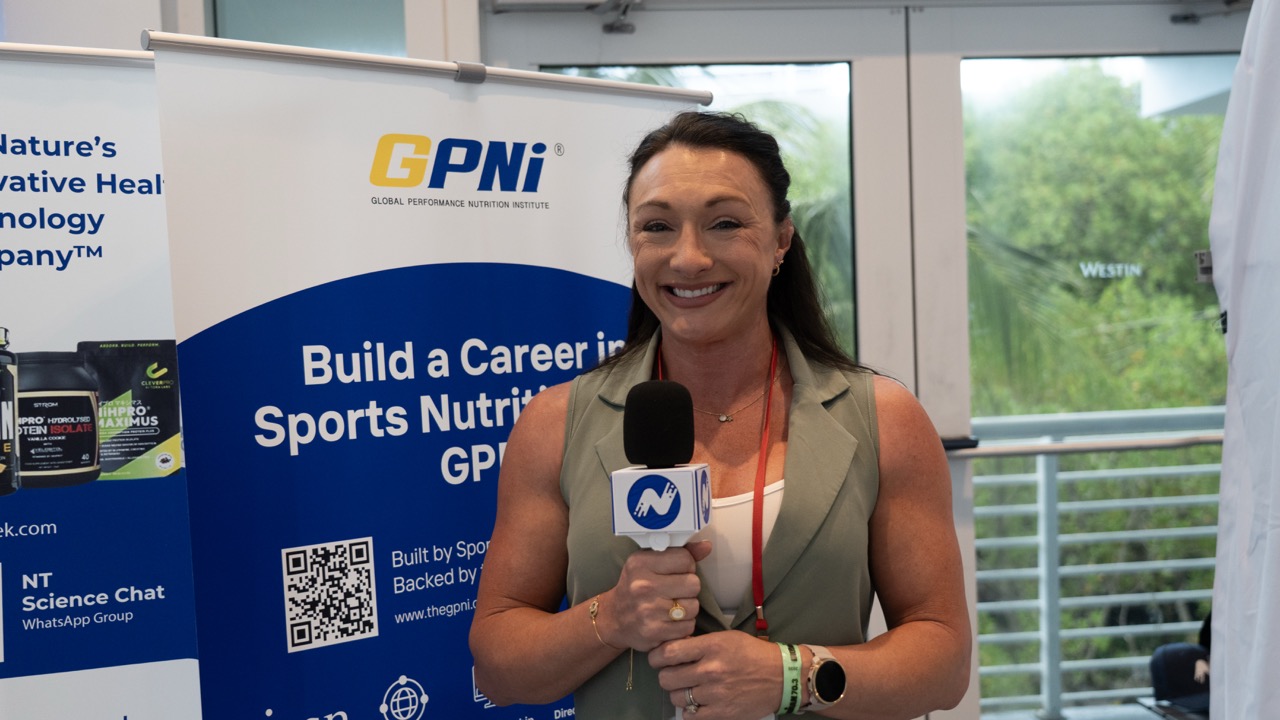
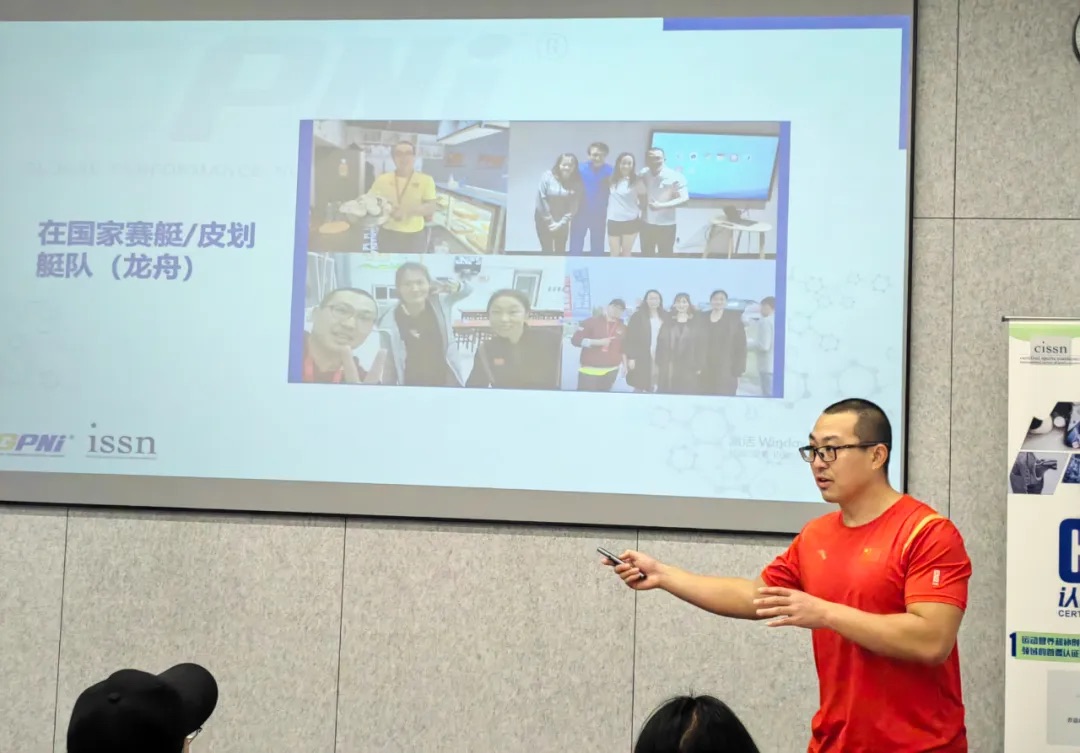
High-quality sports nutrition coaching is rarely “just macros.” At the professional level, it’s a blend of behavior change, training support, and evidence-based decision-making delivered in a way real humans can follow consistently. In this career spotlight, Dr. Roger E. Adams (PhD, CISSN) shares what his day-to-day work looks like, how he built his credential stack, and which myths he still sees repeated in gyms and online plus the habits he believes separate “book-smart” from truly effective practitioners.
What You’ll Learn
- What sports nutrition coaches actually do beyond meal plans
- Which credentials and study habits mattered most (and why)
- How a professional keeps learning in a fast-changing field
- Common misconceptions about carbs, protein, and supplements plus the science context
Quick Profile

Name: Roger E. Adams
Credentials: PhD in Nutrition; CISSN; ACE-CPT
Focus areas: sports nutrition, obesity, weight management
Work style: private practice + remote consults + writing/education
1) Education, Credentials, and Why CISSN Mattered
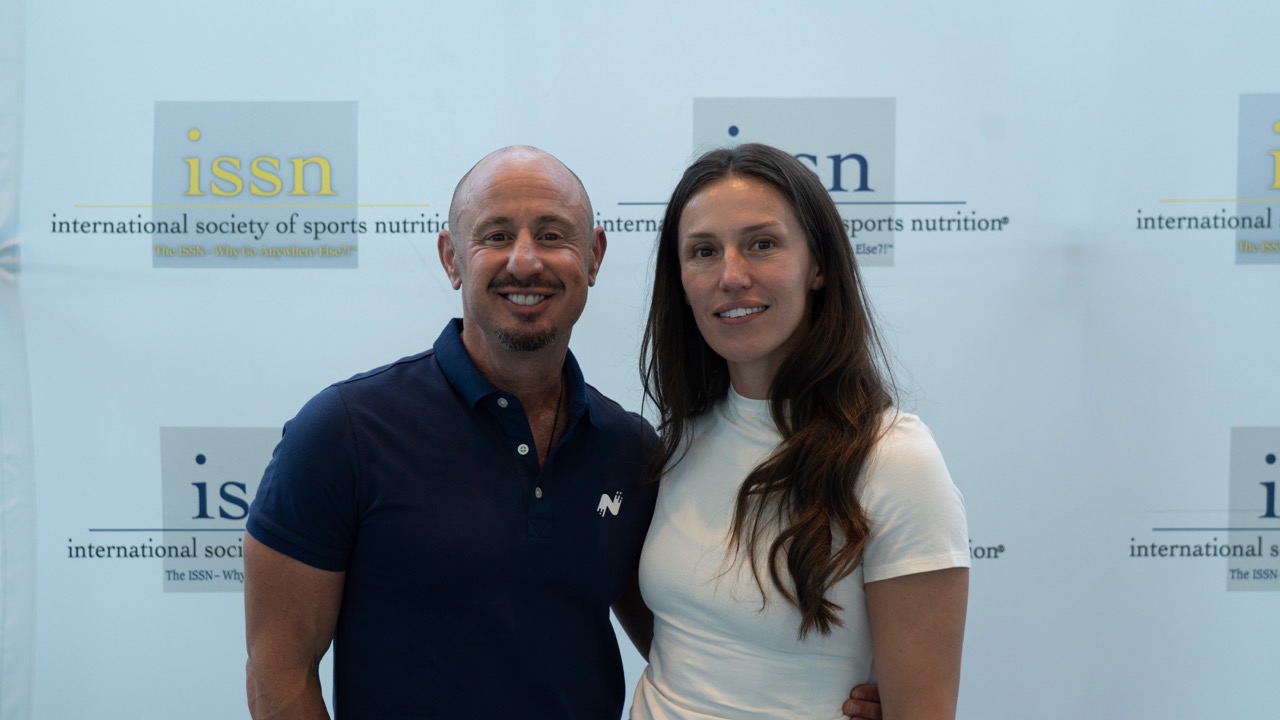
Dr. Adams described completing a PhD in Nutrition and later earning the CISSN credential ISSN’s advanced certification pathway for sports nutrition professionals. The ISSN notes that the CISSN is more advanced than SNS and is intended for those providing more detailed sports nutrition information.
Student takeaway: Credentials aren’t “the finish line.” They’re a framework that helps you:
- organize what to learn,
- interpret research with more rigor, and
- communicate with more authority (without overclaiming).

2) A Day in the Life: The Part People Don’t See
Dr. Adams’ “typical” day isn’t only client consults it also includes content creation and continuing education.
Client-Facing Work
- Nutrition consultations and follow-ups
- Tailoring plans to training schedules and athlete realities
- Adjusting strategy as adherence and performance feedback arrive
Behind-the-Scenes Work (Often Underestimated)
- Remote check-ins and follow-up systems
- Writing and answering media questions
- Building teaching materials for future courses
- Dedicated weekly reading time to stay current
From the interview: he described writing early (around 5 a.m.) or late (after the household settles), and using “in-between” time to update content for teaching.
3) Career Growth: Specialization That Makes You More Useful
Dr. Adams described a valuable combination: sports nutrition + obesity/weight management. In practice, that matters because:
- Some athletes need weight change in the off-season,
- Injury can shift body composition quickly, and
- Performance nutrition often includes body composition phases.
Student takeaway: Specialization is not a label it’s an ability to solve a more specific set of problems better than average.
4) Continuing Education: The Weekly Habit That Compounds
A recurring theme in his interview is that sports nutrition is a dynamic field, and “what you learned once” isn’t enough. He described reserving time weekly to read new research and attending relevant conferences. This “keep learning” mindset aligns with how ISSN frames its certifications and pathways over time.

5) Three Lessons He Teaches Athletes (And Young Professionals)
Lesson A: Individualization Beats Templates
Every athlete is different training load, food access, preferences, and lifestyle. Your job is to adapt fundamentals to reality.
Lesson B: Diet Fundamentals Come Before Supplements
Many athletes chase the newest supplement, but fundamentals matter more: energy intake, quality food patterns, recovery habits.
Lesson C: Sleep Is Performance Nutrition
Sleep/rest isn’t optional for recovery and body composition. Treat it like a core performance variable, not a bonus.
6) Three Myths He Wants the Field to Outgrow (With Science Notes)
Myth 1: “Carbs Are Harmful.”
Carbohydrate strategies remain central in many sport contexts, particularly when intensity or volume is high. Broad sport nutrition guidance continues to include carbohydrate as a core performance-fuel strategy.
Myth 2: “High Protein Is Automatically Dangerous.”
ISSN’s protein position stand summarizes evidence for healthy, exercising individuals and discusses intake ranges commonly used to support training adaptation. (Scope note: not a blanket statement for people with kidney disease or other contraindications.)
Myth 3: “Protein Powder Is Dangerous.”
Protein powder is essentially a convenient protein source. The meaningful risk is typically quality control (contamination/mislabeled ingredients), not “protein” itself so third-party testing matters.
7) ISSN × GPNi®: Turning Inspiration Into a Real Learning Pathway
If you want a career path like this, the missing step for many students is structure knowing what to study and in what order.
GPNi® is the official exclusive global platform and partner for ISSN certifications, and highlights On-Demand learning among its study modes.
Learners can take a 100% online, on-demand ISSN-SNS and CISSN course via GPNi®.
On the GPNi® portal, “PNE Level-1 + ISSN-SNS” is presented as a foundation route and a lead-in toward more advanced study.
GPNi® also provides on-demand learning options across parts of its platform experience.
Practical Student Map
- Foundation: core sport nutrition principles + coaching communication
- Certification study: structured modules + exam readiness
- Advanced growth: deeper physiology, supplements literacy, real case practice
Rapid-Fire (Human Details Students Remember)
- Favorite “cheat” food: donuts
- Favorite healthy foods: hummus; apples
- Most used supplement: whey protein (as shared in the original interview)
These details are fun but the bigger professional lesson is simple: even experienced practitioners keep fundamentals repeatable.
FAQ
Do I need a PhD to become a sports nutrition coach?
No. Many build careers through structured education, supervised practice, and recognized certifications.
SNS vs CISSN what’s the difference?
CISSN is more advanced and preferred for those who want to provide more detailed sports nutrition information.
What should I do every week if I want to be “evidence-based”?
Read position stands/reviews, track new research, and practice translating science into clear client actions.







 Instagram
 Facebook
 YouTube
 Twitter
 Linkedin