It's been said: "Do cardio on an empty stomach. You'll burn more fat." This claim is only half true, and that's the reason it is widely spread.
Quick Quiz (Pick One)
After a period of dieting and fasting, fed cardio is compared to (same calories) typically, fasted cardio results in:
A) Significantly greater fat loss
B) Similar fat loss in spite of higher fat burning in the course
C) Only works for women
✅ Answers Uncover
B) Similar long-term fat loss is typically observed when the energy balance is balanced.
The Research Consistently Shows (and the Things People Confusion)
1.) Yes, Fasted Exercise is often associated with an increase in acute fat oxygenation
If you exercise following an evening fast your insulin is lower and the oxidation of fat in moderate-to-low intensity training typically increases compared to training following a meal with a high amount of carbohydrate.
2) But: “More Fat Used Today” ≠ “More Fat Lost This Month”
Fat loss in the body is primarily driven by a continuous energy deficit over a period of time. Rapid changes in fuel consumption could be compensated by:
Then, there is a sudden increase in energy intake
Reduced spontane activity (NEAT)
Metabolic adaption
Also, it is clear that the "during-exercise" story isn't an accurate description of the "long-term weight loss" story.
3) Meta-Analyses Don't Always Favor Fasted Cardio Body Composition
If total calories and training are equal, research doesn't always support faster-paced cardio is superior to the fed-state exercise program for fat loss.

"The Mid Ground: "Protein-Supported Fasted Cardio"
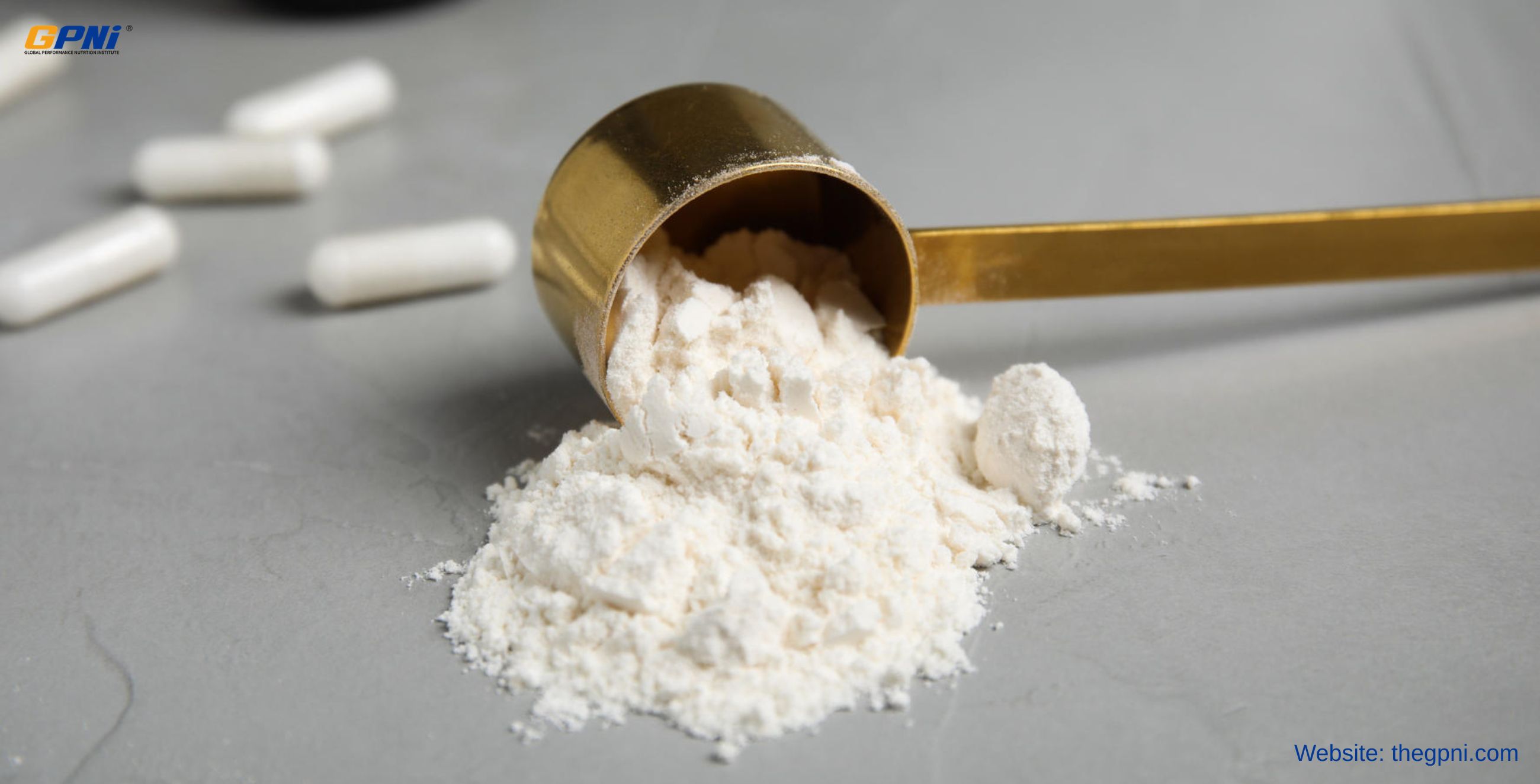
If you love the ease of fasted aerobics but worry about your muscles, there's a viable compromise. Consume 25g of whey or casein prior to training. Then, you can train.
The Reasons This Doesn't Make Sense
Certain people don't eat breakfast before cardio due to the fear that it could "switch off the fat-burning." However, studies that compare ~25 grams of casein or whey before moderate aerobic exercise have shown that the oxidation of fat during exercise is not significantly higher in a fasted state in comparison to protein-fed conditions. According to at-least one of the pilot studies the post-exercise energy expenditure as well as fat oxidation increased when compared to carbohydrate vs protein.
Casein even had slightly more fat oxidation rates than whey for certain phases of exercise. For cyclists who are trained an exercise meal that is protein-rich allowed similar fat oxidation during the submaximal training phase during fasting as a carbohydrate-rich meal reduced fat oxidation, but without any evident differences in hunger or performance during the same protocol.
In Plain English:
Protein before exercise doesn't "kill" the process of fat burning in the way that a meal with a lot of carbs could. It may help assist in promoting the turnover of muscle protein and recovery, particularly when there is a lack of energy.
"Protein-Sufficient Fasted Cardio": What Does It Mean (Without the hype)
It can be thought of as maintaining your speeded, similar fat oxidation profile, while providing your body with amino acids.
Protein intake is an important factor in supporting the production of muscle protein as well as balance of protein levels, particularly when you are dieting. For athletes, the general per-serving guidelines typically range from 0.25 grams/kg, or ~20-40 grams of quality protein.
If you regularly train fast including protein could be an effective way to lessen the "all gas without building blocks" issue, particularly during long phase of losing fat.
The Best Way Do I Try It (Simple Protocol)
Option A The Minimalist Shake
25 g of whey protein isolate (or 25 g of casein)
Water (no need to consume carbs)
Take 10 to 20 minutes if your stomach is a bit sensitive, and then begin aerobic exercise.
Alternative B: You Have Trouble to Control Your Food Later
Take the shake as an "first food," then eat a normal breakfast following your training.
NOTE: This is not "magic." It's an approach to increase adhesion and strengthen muscles and keep fat-oxidation high.
When Fasted Cardio is an Excellent Idea (and If It's Not)
Choose Fasted Cardio If:
It is in line with your schedule and you are comfortable.
Intensity ranges from low to moderate.
There is no dizziness or decreased quality of training.
Select Fed Training if:
You require high intensity or a long time
You get headaches/dizziness fasted
The quality of your workout decreases when you are fasting.
Performance is crucial. If fasted training lowers output, it may affect the overall work load and decrease adhesion.

GPNi® Takeaway
A brisk cardio session can boost fat oxidation in the course of the workout however, long-term fat loss is still dependent on the balance of energy and regularity. If you are a fan of fasted exercise think about the " protein-supported" version: a simple 25 grams protein shake before cardio to help build muscle and maintaining fat oxidation levels high.
FAQ
Q1: Will protein before cardio stop fat burning?
Not in the way a carbohydrate-heavy meal can. Evidence suggests protein-fed pre-exercise strategies can maintain relatively high fat oxidation compared with fully fasted training.
Q2: Should I use whey or casein?
Both can work. Some data suggest casein may produce slightly higher fat oxidation during parts of moderate-intensity cardio, but differences are likely small in real life. Choose what you digest well.
Q3: Does this guarantee more fat loss?
No. Think “adherence + muscle support,” not a shortcut.
References
Hackett DA, Hagstrom AD. The effect of overnight fasted exercise on weight loss and body composition: A systematic review and meta-analysis. Sports. 2017;5(4):43. doi:10.3390/sports5040043
Vieira AF, Costa RR, Macedo RCO, Coconcelli L, Kruel LFM. Effects of aerobic exercise performed in fasted vs fed state on fat and carbohydrate metabolism in adults: A systematic review and meta-analysis. Br J Nutr. 2016;116(7):1153-1164. doi:10.1017/S0007114516003160
Aird TP, Davies RW, Carson BP. Effects of fasted vs fed-state exercise on performance and post-exercise metabolism: A systematic review and meta-analysis. Scand J Med Sci Sports. 2018. doi:10.1111/sms.13054
Schoenfeld BJ, Aragon AA, Wilborn CD, Krieger JW, Sonmez GT. Body composition changes associated with fasted versus non-fasted aerobic exercise. J Int Soc Sports Nutr. 2014;11:54. doi:10.1186/s12970-014-0054-7
Gieske BT, et al. Metabolic impact of protein feeding prior to moderate-intensity treadmill exercise in a fasted state: A pilot study. J Int Soc Sports Nutr. 2018. doi:10.1186/s12970-018-0263-6
Jäger R, Kerksick CM, Campbell BI, et al. International Society of Sports Nutrition position stand: Protein and exercise. J Int Soc Sports Nutr. 2017;14:20. doi:10.1186/s12970-017-0177-8









 Instagram
 Facebook
 YouTube
 Twitter
 Linkedin