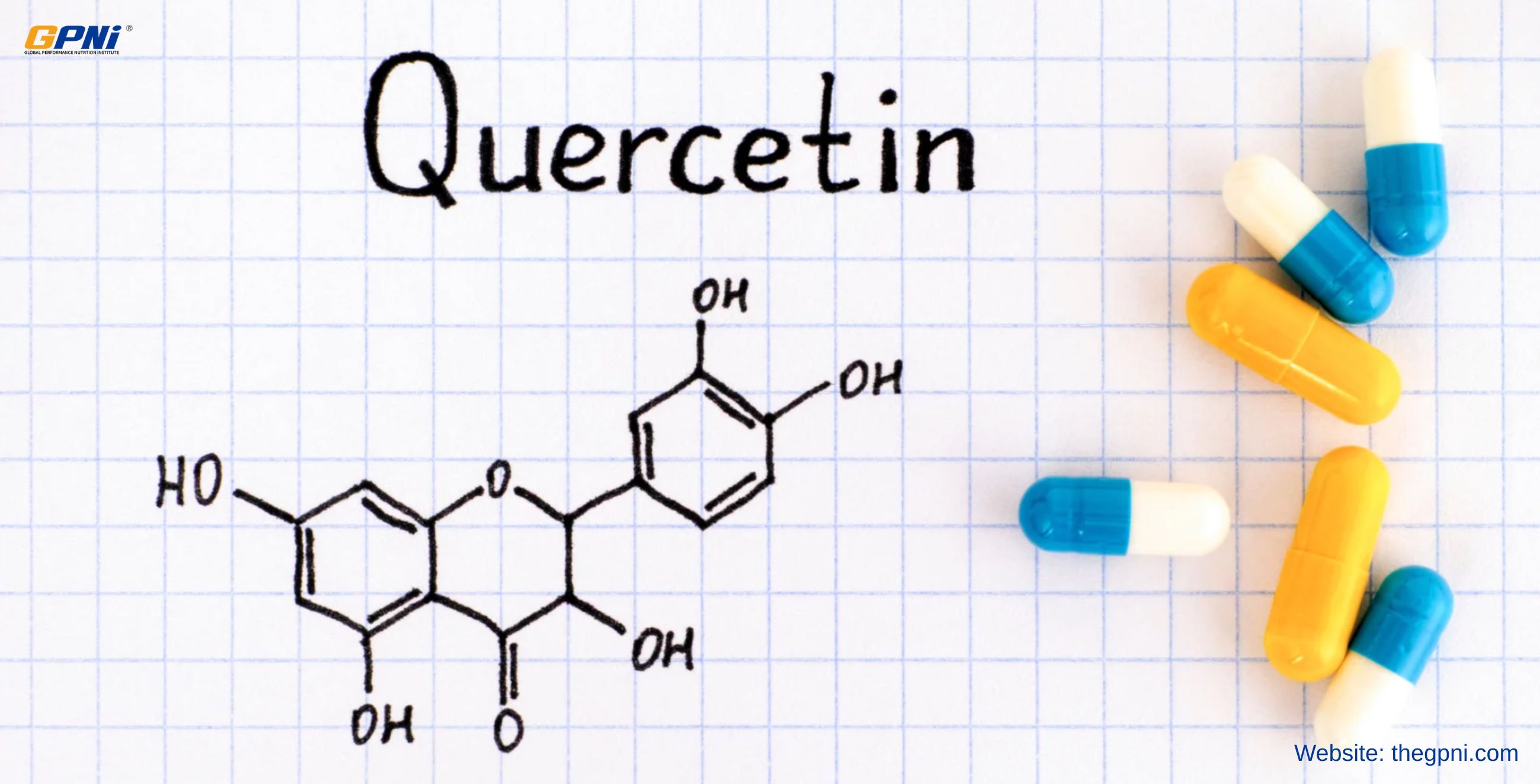
Quercetin, often abbreviated as QCT, is a flavonoid found naturally in many plant foods, including onions, apples, berries, green tea, red wine, broccoli, and cranberries.
In general health research, quercetin has attracted interest because of its potential antioxidant, anti-inflammatory, and immunomodulatory properties. In sports nutrition, it has also been studied in areas such as fatigue management, post-exercise inflammation, oxidative stress, recovery of neuromuscular function, and exercise performance.
However, there is an important distinction to make from the start: quercetin is a biologically interesting compound, but that does not automatically make it a proven performance-enhancing supplement.
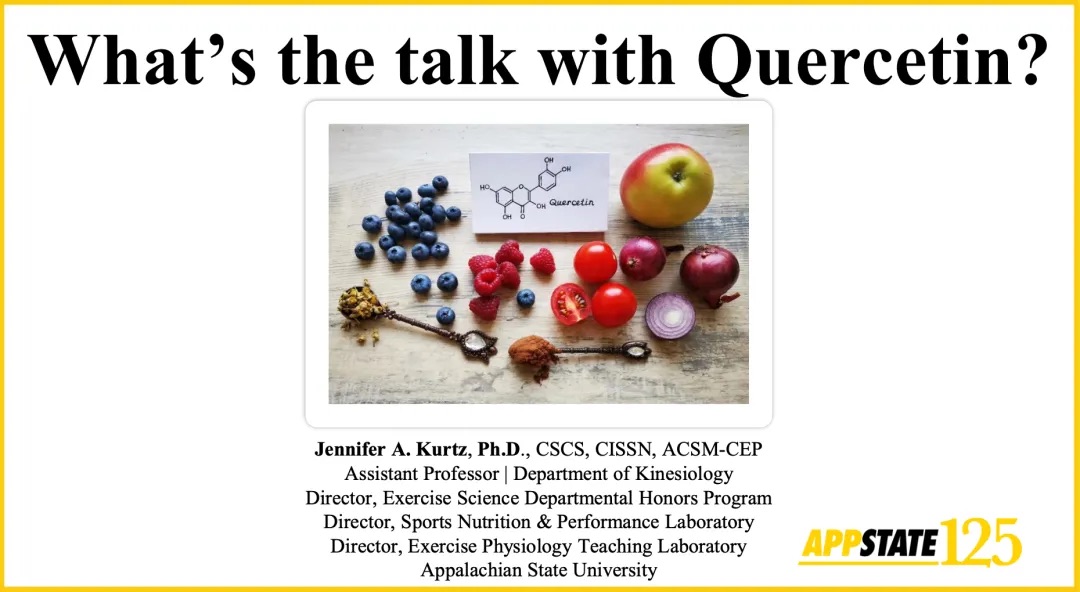
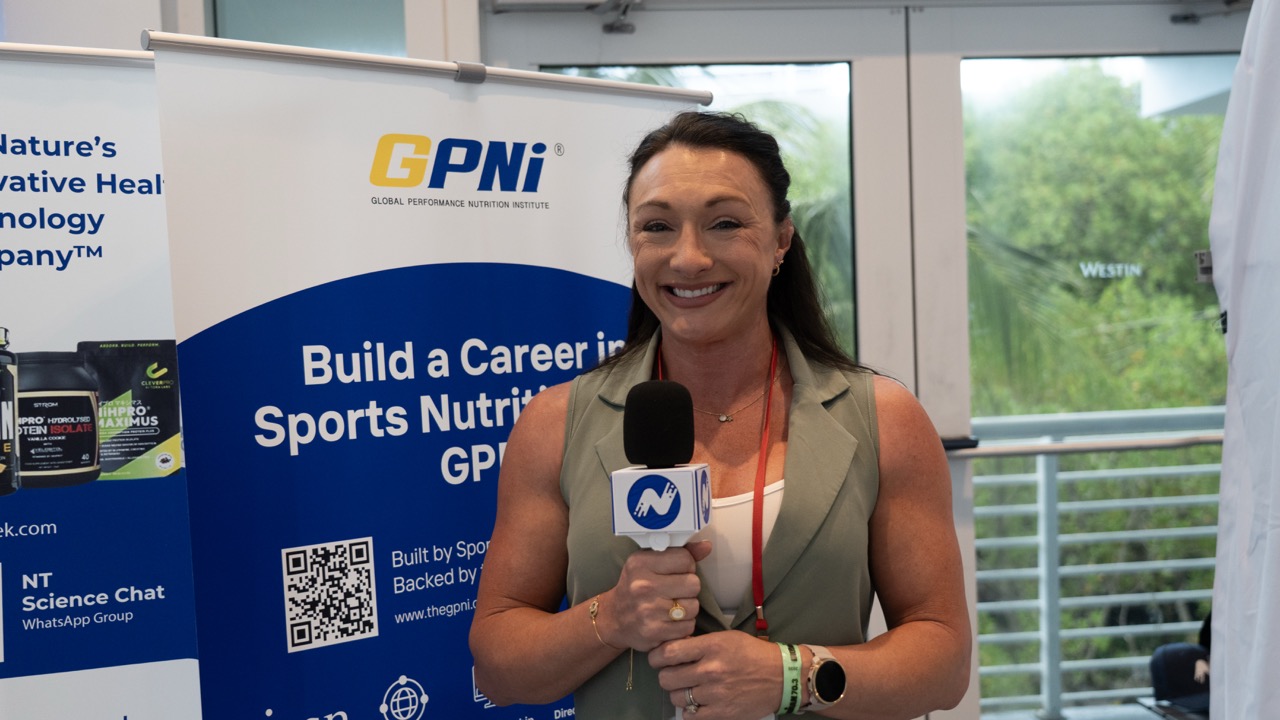
At the ISSN 2025 conference, Dr. Jennifer A. Kurtz discussed quercetin from an evidence-based sports nutrition perspective, focusing on its possible ergogenic role and the current limitations of the research.
Dr. Jennifer A. Kurtz, CSCS, CISSN, ACSM-CEP, is an Assistant Professor in the Department of Kinesiology at Appalachian State University. She also serves as Director of the Exercise Nutrition and Performance Laboratory and Director of the Exercise Physiology Teaching Laboratory. Her work focuses on exercise nutrition, human performance, and exercise physiology.

What makes quercetin interesting?
Quercetin belongs to the polyphenol family, a broad group of plant-derived compounds that are often associated with antioxidant activity.
Mechanistically, quercetin has been investigated for a wide range of biological effects, including antioxidant, anti-inflammatory, antimicrobial, antiviral, metabolic, and immune-related actions. These areas overlap with many of the outcomes athletes and active individuals care about: recovery, resilience, inflammation management, and adaptation to training stress.
That said, food sources usually provide relatively modest amounts of quercetin. The doses used in exercise studies are typically much higher than what most people would obtain from diet alone, which is why quercetin is often studied in supplement form.
So the practical question is not simply, “Is quercetin healthy?”
The more relevant sports nutrition question is:
Can quercetin meaningfully improve exercise performance or recovery in humans?
The answer is: possibly in some contexts, but the evidence is not yet consistent enough to call it a clear ergogenic aid.
Aerobic performance: promising, but inconsistent
Aerobic endurance is one of the most studied areas for quercetin supplementation. Research has examined running, cycling, swimming, and other endurance-based activities across different populations, including untrained individuals, recreationally trained people, and trained athletes.
Some studies have reported positive findings. For example, daily quercetin supplementation around 1,000 mg for several weeks has been linked to reductions in certain markers of oxidative damage and inflammation after prolonged cycling. In some work, quercetin combined with other ingredients, such as green tea extract, has also been associated with reduced post-exercise inflammation and possible effects on mitochondrial biogenesis.
However, many studies have failed to show clear performance benefits. In ultra-endurance settings, such as a 160 km ultramarathon, quercetin supplementation did not meaningfully change cytokine or inflammatory responses in some athletes. Several endurance studies have also found no significant improvement in performance outcomes.
This inconsistency is not surprising.
Endurance performance is determined by many factors, including VO₂max, lactate threshold, exercise economy, carbohydrate availability, pacing strategy, environmental conditions, training status, recovery, and psychological factors. Even if quercetin affects oxidative stress or inflammation in a measurable way, that does not guarantee a meaningful improvement in race performance.
From the current evidence, quercetin may have some potential in aerobic exercise, but the conclusion is not definitive. Its effects appear to depend on training status, dose, supplementation duration, formulation, timing, and whether it is used alone or as part of a multi-ingredient formula.
Anaerobic performance: recovery may be the stronger signal
Compared with endurance research, there are fewer studies on quercetin in anaerobic exercise and resistance training. The available evidence does not strongly suggest that quercetin directly increases maximal strength or power output.
However, recovery may be a more interesting area.
Some studies suggest that quercetin supplementation may help reduce strength loss after eccentric exercise, support muscle function recovery, and influence neuromuscular-related measures such as torque, muscle fiber conduction velocity, and angular velocity.
This matters because many sports involve repeated muscle damage and neuromuscular fatigue. Strength training, combat sports, field sports, sprinting, jumping, cutting, braking, and contact-based activities can all create substantial mechanical and metabolic stress.
If quercetin can support post-exercise functional recovery, it may help athletes return to productive training or competition sooner. But that is different from saying it directly improves strength.
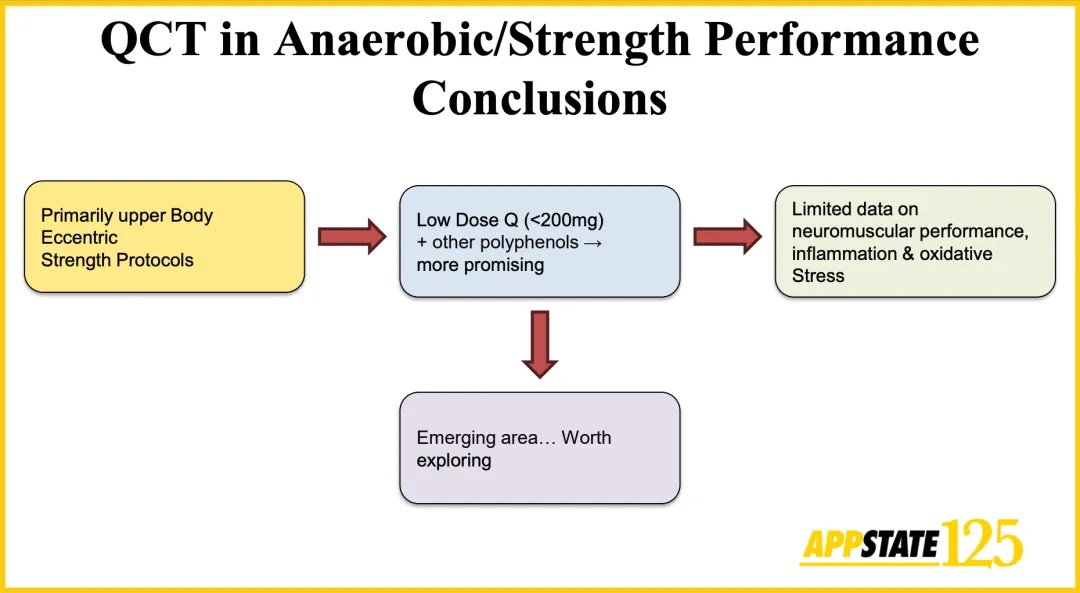
There are also limitations. Many studies use controlled eccentric exercise models, often involving the upper body, which may not fully reflect the complexity of real sport. More importantly, there is still limited high-quality evidence in well-trained or elite athletes.
Another important point is that many of the more positive findings come from multi-ingredient formulas. Quercetin has been studied alongside vitamin C, omega-3 fatty acids, citrulline, mango leaf extract, and other compounds.
This may be practically useful, because quercetin may work better as part of a broader recovery or antioxidant-support formula. But scientifically, it creates a problem: if the formula works, we cannot always say the benefit came from quercetin itself. It may come from another ingredient, or from the combination.
Why are the results so different?
One of the biggest reasons is bioavailability.
Quercetin is not absorbed and utilized in the body in a simple, uniform way. After ingestion, quercetin can appear in the bloodstream within roughly 15 to 30 minutes, with peak concentrations often reported around 2 to 3 hours after intake. Its half-life has been estimated at approximately 6 to 12 hours, although this can vary depending on the form used and the individual.
This matters because studies do not always align supplementation timing, exercise testing, and blood sampling in the same way. If the timing of peak quercetin availability does not match the timing of the performance test or recovery measurement, the results may look weaker or more inconsistent.
The chemical form also matters. Quercetin glycosides, aglycone forms, isoquercetin, and quercetin phospholipid or phytosome complexes may differ in absorption. Some newer delivery systems are designed specifically to improve bioavailability compared with standard quercetin.
Dose and duration also vary widely. Studies have used doses ranging from around 250 mg to 1,000 mg per day, with supplementation periods ranging from a single day to several weeks. Some studies use quercetin alone, while others combine it with vitamin C, citrulline, green tea extract, or other compounds.
Participant characteristics are another key factor. Untrained individuals, recreational athletes, and highly trained athletes do not always respond the same way. The exercise model also matters: endurance exercise, eccentric damage, sprinting, resistance training, and repeated high-intensity efforts all create different types of physiological stress.
In short, “quercetin” is not one simple intervention. The form, dose, timing, population, and exercise model all influence the outcome.
So, should athletes use quercetin?
Quercetin is a promising sports nutrition ingredient, but it should not be oversold.
Its most plausible applications appear to be:
- Supporting post-exercise inflammation and oxidative stress regulation
- Supporting muscle function recovery after damaging exercise
- Supporting neuromuscular recovery in certain settings
- Contributing to multi-ingredient recovery or performance formulas
- Potentially supporting athletes during periods of high training load
It may be especially relevant in situations involving heavy eccentric loading, repeated high-intensity work, intense training blocks, or high recovery demands.
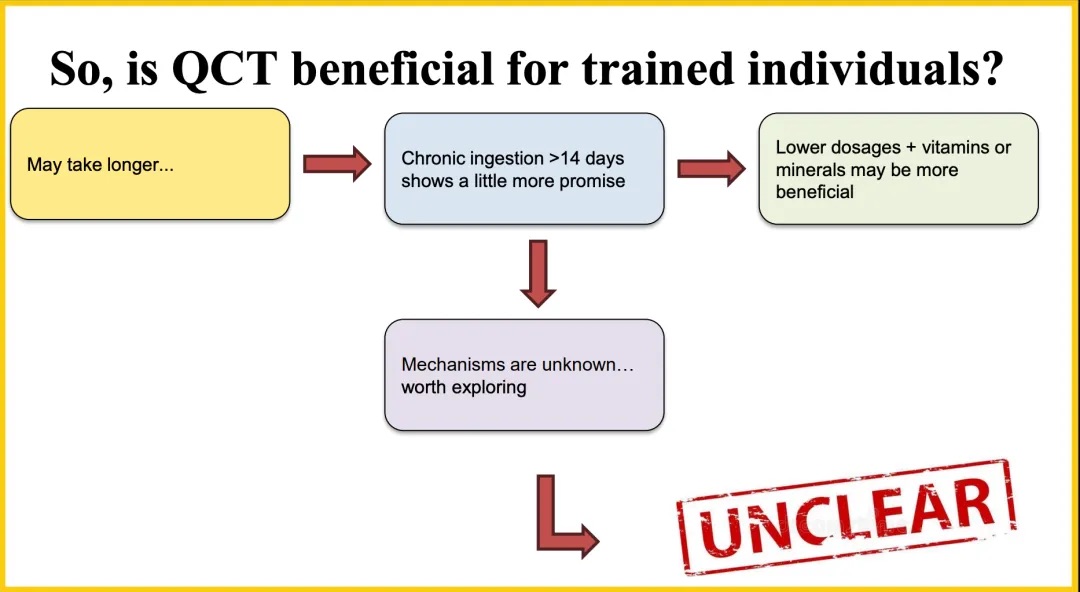
However, its role in endurance performance remains uncertain. Some studies show small benefits, while others show no meaningful improvement. At this stage, quercetin should not be treated as a guaranteed performance enhancer.
In terms of practical supplementation, common research doses include 500 mg per day and 1,000 mg per day. Some multi-ingredient formulas use lower doses. Protocols lasting longer than 14 days may be more relevant than one-off acute intake, especially when the goal is recovery, inflammation modulation, or adaptation support.
Combination formulas may also be more promising than quercetin alone, particularly when paired with ingredients such as vitamin C, mango leaf extract, citrulline, polyphenols, electrolytes, or other recovery-support nutrients. But again, this makes it harder to isolate quercetin’s independent effect.
The GPNi perspective
Quercetin has potential. It is worth studying. It may have a place in sports nutrition, especially in recovery-focused or multi-ingredient formulas.
But performance does not come from one compound.
For athletes, the foundation is still structured training, sufficient energy intake, appropriate carbohydrate availability, adequate protein, hydration, sleep, and recovery management. Supplements may refine the system, but they do not replace it.
Quercetin is not a magic antioxidant and not a guaranteed ergogenic aid. It is a biologically active plant compound with interesting mechanisms, mixed performance data, and a more convincing rationale in recovery than in direct performance enhancement.
That is exactly why it deserves attention — but also why it deserves caution.
If you would like to access the full presentation document on quercetin, you can join the GPNi membership. The GPNi website regularly updates ISSN conference presentation materials, giving members access to professional sports nutrition resources and research-based education.










 Instagram
 Facebook
 YouTube
 Twitter
 Linkedin