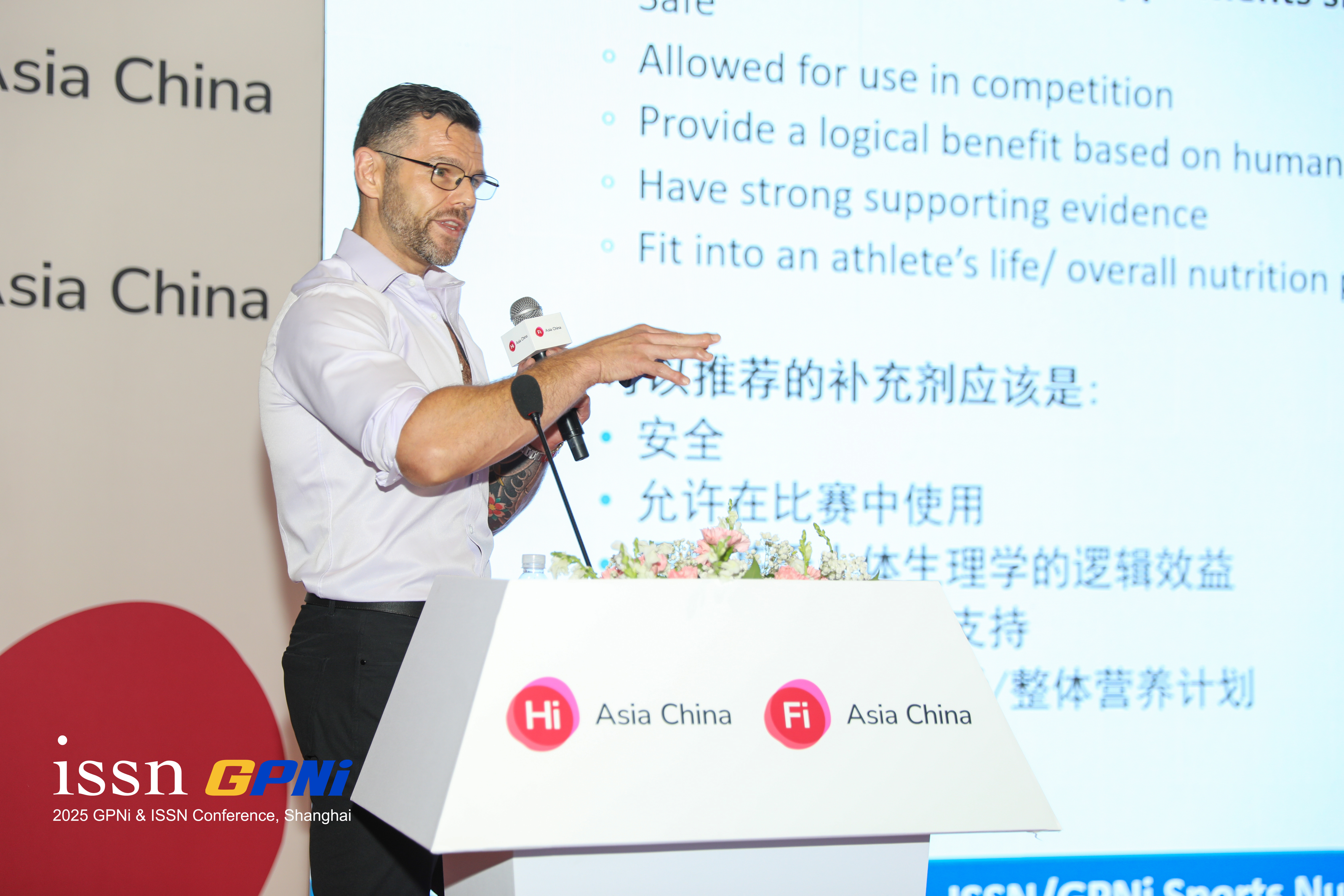
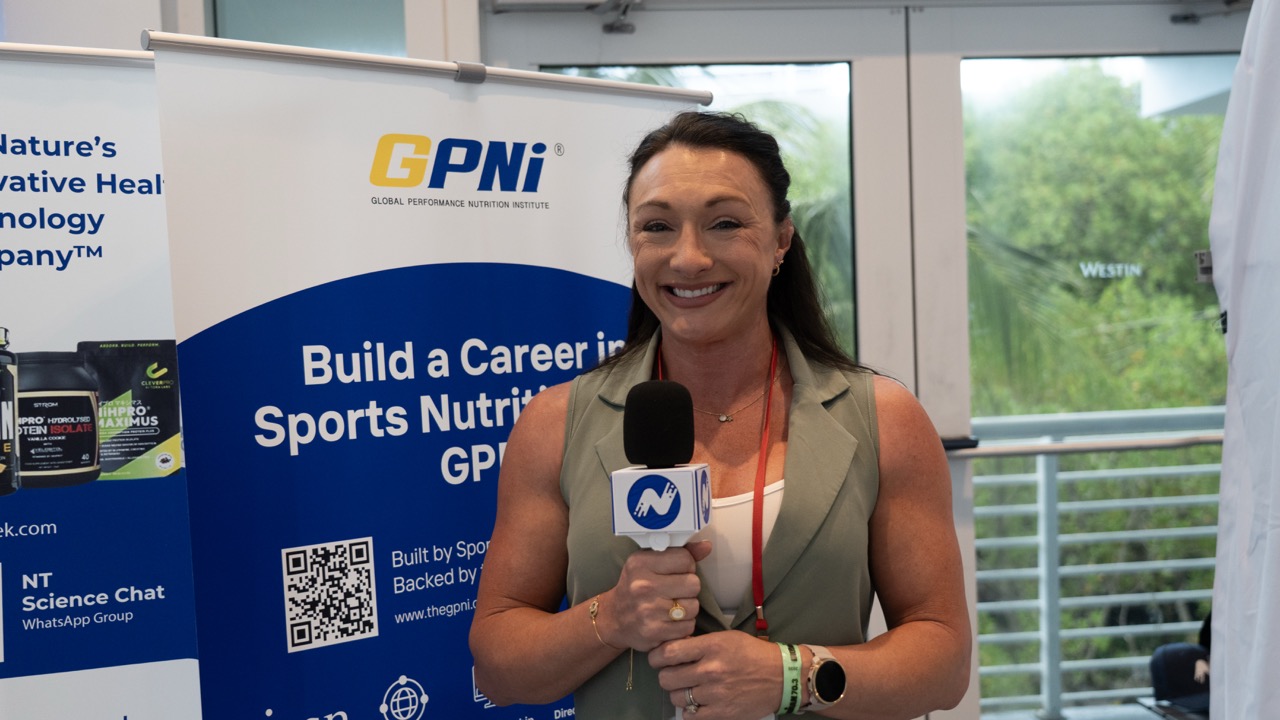
Combat sports nutrition is where planning meets pressure: short timelines, travel, intense training blocks and weight management decisions that can affect both health and performance. Dr. Reid Reale's career story highlights a rare blend: formal sports nutrition training, elite sport environment experience, and research focus on acute weight management in combat sports. A globally recognized sports nutrition scientist and elite athlete with a third-degree black belt in Brazilian Jiu-Jitsu, he brings two decades of research and applied expertise in fueling, recovery, and performance optimization to GPNi®'s science-first approach.
What you'll learn
What the most elite nutrition for performance appears to be behind the scenes
What is the reason "weight reduction" is actually an exercise in risk management, recovery planning
The skills that young professionals underestimate (stats and measurement, as well as communication)
Career advice that can help you prepare for the future.
Quick Profile

Name: Reid Reale
Credentials: PhD in Sports Nutrition & Applied Physiology; CISSN
Title: Director of Performance Nutrition, UFC Performance Institute (UFC-PI)
Focus: combat sports nutrition; body composition; acute weight manipulation
Why students care: his work sits at the intersection of practice + research
1.) credentials and the long Game From degrees to Doctoral Research
In the initial interview, Dr. Reale described building a formal path (undergraduate + master's education) and then a doctoral program which focused on nutrition for sports, particularly the management of weight during Olympic fight sports. Students takeaway Takeaway for students. The "credential ladder" is less about status, and more about:
More in-depth understanding of physiology and measurement literacy,
Better decision-making under uncertainty, and
More secure plan when stakes are high.
2.) The Day in the Life: The Performance Nutrition System is an entire system
He described days that be extremely different based on the training block as well as athlete schedules testing days, as well as travel. The most important thing is that the practice of performance nutrition is not an isolated practice. Nutrition is integrated with:
Body composition and metabolic assessment (where there is),
Athlete consults and intervenes,
Logistics: fueling stations, cafeteria menus, supplements protocols,
Educational resources for athletes as well as staff.

3.) The Acute Method of Weight Control: "Don't Be Aggressive - Keep It Simple"
Weight management in combat sports isn't just about "cutting pounds." It's as well the recovery plan which follows. Evidence-based resources on acute combat sport weight management focus on how athletes typically cut down on body mass to play in lower divisions, and the reason why planning the recovery phase is crucial. Practical student lens:
The long-term planning of body composition reduces the need for extreme risk.
Strategies for short-term planning (if employed) must be monitored and time-bound
Recovery isn't chaos, it's planned rehydration and fueling
4.) Continuous Development: Statistics and Measurement Can Be Career Accelerators
He spoke about the development of skills in the following areas:
Statistics (critical to research literacy, and appraisal of evidence),
Anthrometry (for an accurate field measurement and making decisions).
Students take away Measurement skills are how you can avoid being misled by background noise.
5.) The Three Myths he Notices in the Field
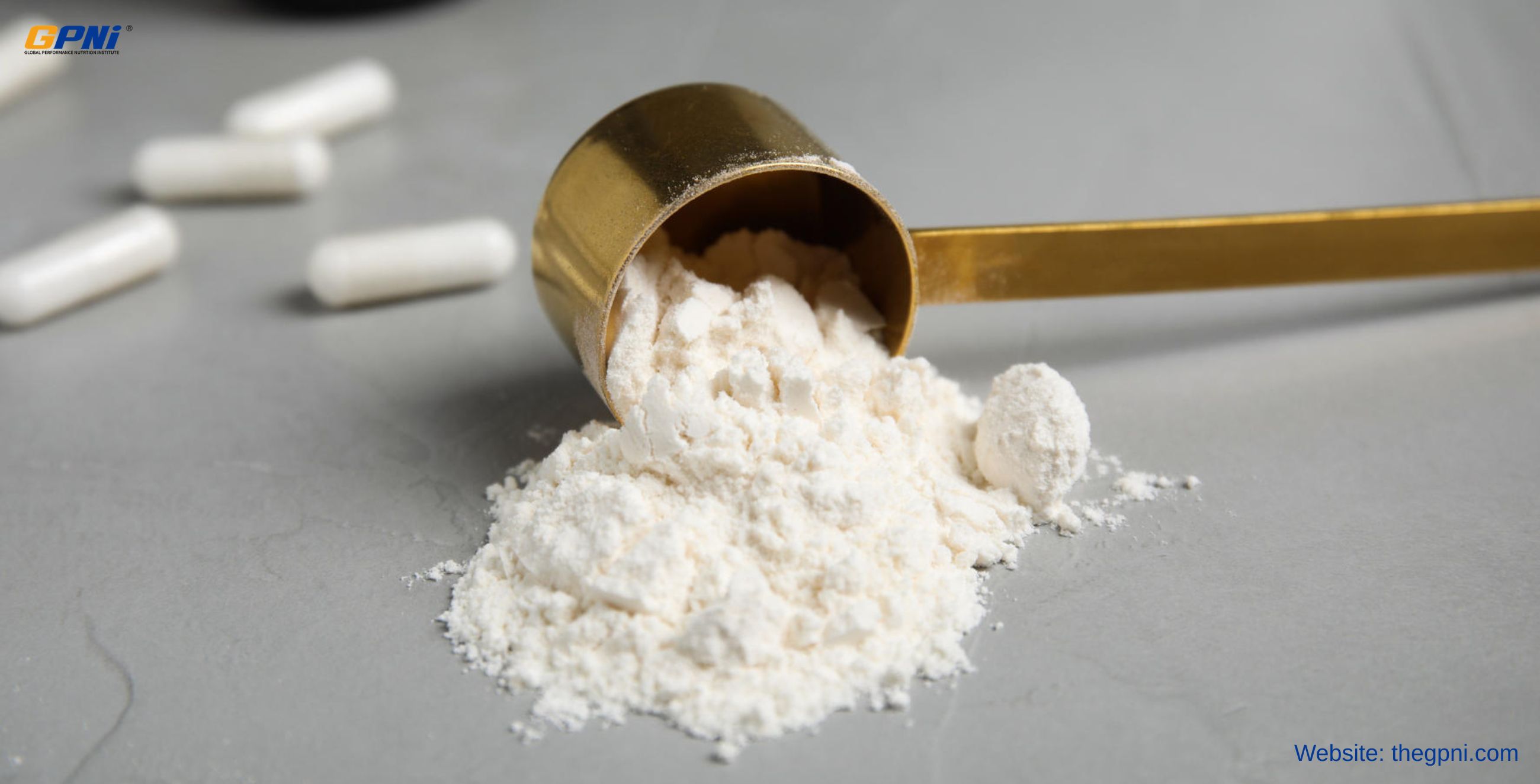
Myth 1.: "Supplements do most of the work."Most issues with performance are rooted in the fundamentals including consumption of energy, macros and hydration, as well as sleep. Supplements can also pose a the risk of contamination; anti-doping materials insist that supplements cannot be assured to be free of banned substances. Therefore, athletes must reduce risk by making informed choices and quality control.
The myth 2.: "Athletes must eat bland foods." Compliance improves when nutrition takes into account preferences, culture and practical cooking skills.
Myth 3.: "Nutrition is a perfect formula." Equations guide you however monitoring and adjusting is the true art.

6.) "Say No Early" A Career Advice Students Recall
His advice was simple to take advantage of opportunities quickly even if it's not perfect. Experience is more valuable than comfort.
Translation into action:
Do you want to shadow or volunteering, as well as assisting
Record what you learn
Establish a community of peers who challenge your ideas
7.) The ISSN-GPNi®: Structured Approach to Enhance Competence
Students who would like an established structure. GPNi® is the sole official worldwide platform as well as the partner for the International Society of Sport Nutrition ( ISSN) courses. The certification courses are offered on GPNi®'s 100% on-demand, online. GPNi® also posits PNE Level-1 and ISSN-SNS as a pathway which can lead to advanced study.
FAQ
What’s the fastest way to get better at sports nutrition practice?
Read position stands, practice case application, and get feedback from experienced mentors.
How do I reduce supplement risk for athletes?
Use conservative decision-making and prefer third-party tested products; anti-doping bodies emphasize contamination risk and strict liability.








 Instagram
 Facebook
 YouTube
 Twitter
 Linkedin