Recovery nutrition is an essential part of sports nutrition. Whether we are talking about post-training recovery, post-competition recovery, back-to-back performance, or returning from injury, recovery is one of the most common and important topics in sport.
When people think about recovery nutrition, protein, amino acids, hydration, and electrolytes often come to mind first. And of course, all of these matter. But there is one fundamental nutrient that is often underestimated, and sometimes misunderstood: carbohydrates.
For active individuals, and especially for elite athletes, carbohydrates are not just a source of energy. They are closely linked to glycogen restoration, training quality, fatigue management, and the ability to perform again in the next session or competition.
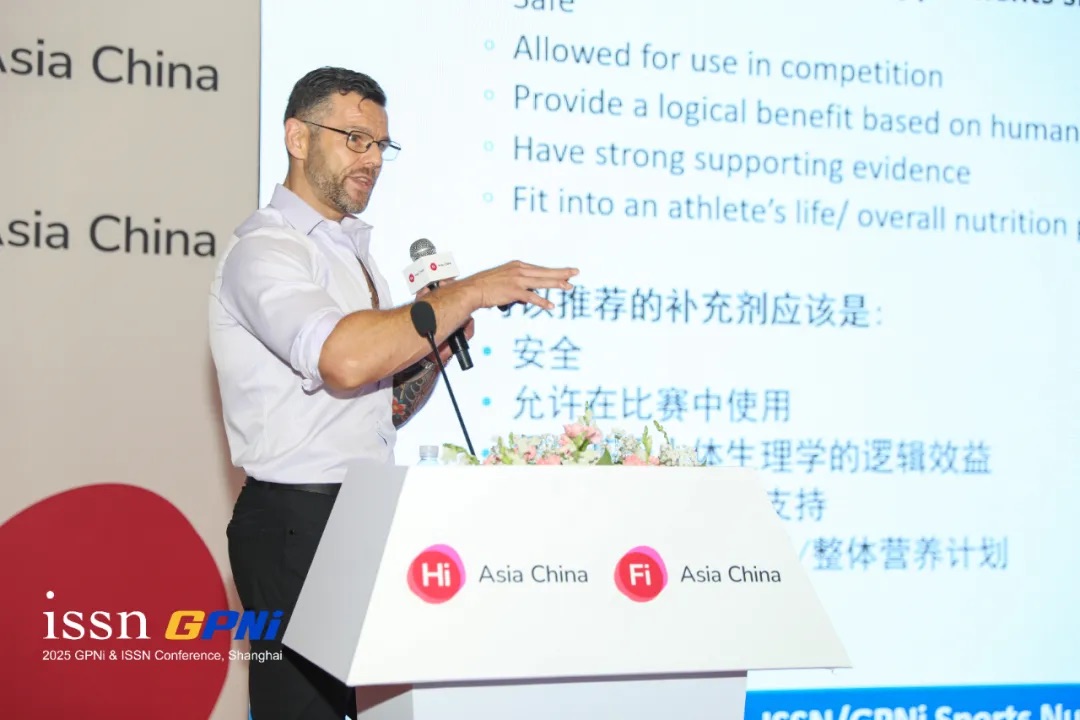
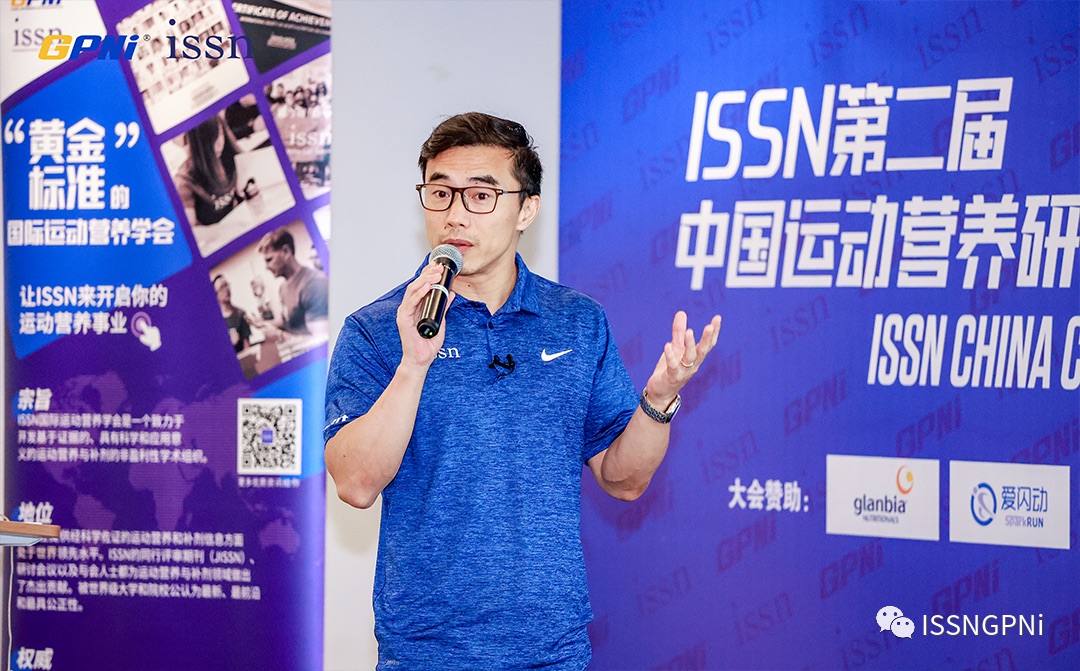
On the afternoon of June 15, 2026, the GPNi & ISSN Sports Nutrition Conference will take place at the National Exhibition and Convention Center in Shanghai during FiA. Dr. Reid Reale, CISSN, Head of Performance Nutrition at the UFC Performance Institute Shanghai, will focus on carbohydrate strategies in sports recovery and unpack the central role of carbohydrates in repair, refueling, and the return to performance.

Dr. Reid Reale, CISSN
Head of Performance Nutrition, UFC Performance Institute Shanghai
Registered Dietitian & Advanced Sports Dietitian
Dr. Reid Reale was the lead nutritionist for Olympic combat sports in the lead-up to the 2016 Rio Olympic Games. He specializes in short-duration sports, strength and power-based sports, and especially combat sports.
Reid has worked with world champions and Olympic athletes across judo, boxing, MMA, K1 kickboxing, and everything in between. He has also collaborated with some of the world’s leading national teams and sports organizations.
Recovery Nutrition: The Role of Carbohydrates in Repair, Refueling, and Return to Performance
1. Recovery is about more than muscle repair
Training can cause micro-damage to muscle fibers, and protein and amino acids play an important role in the repair process. That is why post-training protein intake has become common knowledge in sports nutrition.
But protein is not the whole story.
After exercise, the body also needs to replenish depleted glycogen stores, restore fluid balance, re-establish neuromuscular readiness, and move from a state of fatigue back to a state where it can perform again.
Glycogen is stored mainly in the muscles and liver, and it is a key fuel source during high-intensity exercise. After a demanding training session, if glycogen stores are not restored in time, the body may start the next session or competition already running low on fuel.
For recreational athletes, this may simply feel like an “off day.” But for competitive athletes, it can directly affect training quality, tactical execution, and even the final result.
This is why carbohydrates are more than just calories. They are a critical foundation for helping the body return to a performance-ready state.
2. Carbohydrates, protein, and hydration work together
Recovery nutrition is not about one nutrient alone. While we should not overlook carbohydrates, we also cannot ignore the role of other nutrients.
Carbohydrates, protein, fluids, and electrolytes each have their own job. For a sports nutritionist, the key is knowing how to bring them together at the right time, in the right setting, and in the right proportions.
For example, after high-intensity training, protein can support muscle repair and adaptation, while carbohydrates help restore glycogen stores. When athletes lose a large amount of sweat, fluid and electrolyte replacement also become important for how the body feels and performs afterward.
In other words, the body does not need a single isolated nutrient. It needs a coordinated recovery strategy.
This is one of the most valuable parts of Dr. Reale’s upcoming presentation. Rather than looking at carbohydrates in isolation, he will discuss how carbohydrates can work together with protein and hydration strategies to support recovery in real-world sport settings.
3. Understanding real carbohydrate needs through elite sport
Dr. Reale has spent years working with elite athletes. He served as the lead nutritionist for Olympic combat sports ahead of the 2016 Rio Olympic Games and has long focused on short-duration events, strength and power sports, and combat sports in particular.
These sports place very specific demands on recovery.
For this reason, Dr. Reale’s approach to recovery strategy goes far beyond simply recommending a certain number of grams of carbohydrate. His perspective is grounded in the real decisions athletes and practitioners have to make in training and competition environments.
His session will help us understand how the value of carbohydrates in recovery nutrition moves from laboratory evidence into athlete practice, and how that knowledge can inspire product development and industry application in sports nutrition.

See you in Shanghai on June 15
At this seminar, you can expect:
- Focused expert presentations on sports recovery and gut health
- A more systematic understanding of carbohydrates, protein, hydration strategies, and gut science
- Practical insights for sports nutrition and functional nutrition product development
- A more focused and efficient in-person exchange during the exhibition
- Opportunities to connect face-to-face with industry professionals and gain new perspectives on market and application trends
2026 GPNi & ISSN Sports Nutrition Seminar
Time: June 15, 2026, 1:00–3:00 PM
Venue: Hall: 1.1, Booth: 11A80, National Exhibition and Convention Center, No. 1888 Songze Avenue, Qingpu District, Shanghai, China
Exhibition: Hi & Fi Asia - China 2026











 Instagram
 Facebook
 YouTube
 Twitter
 Linkedin