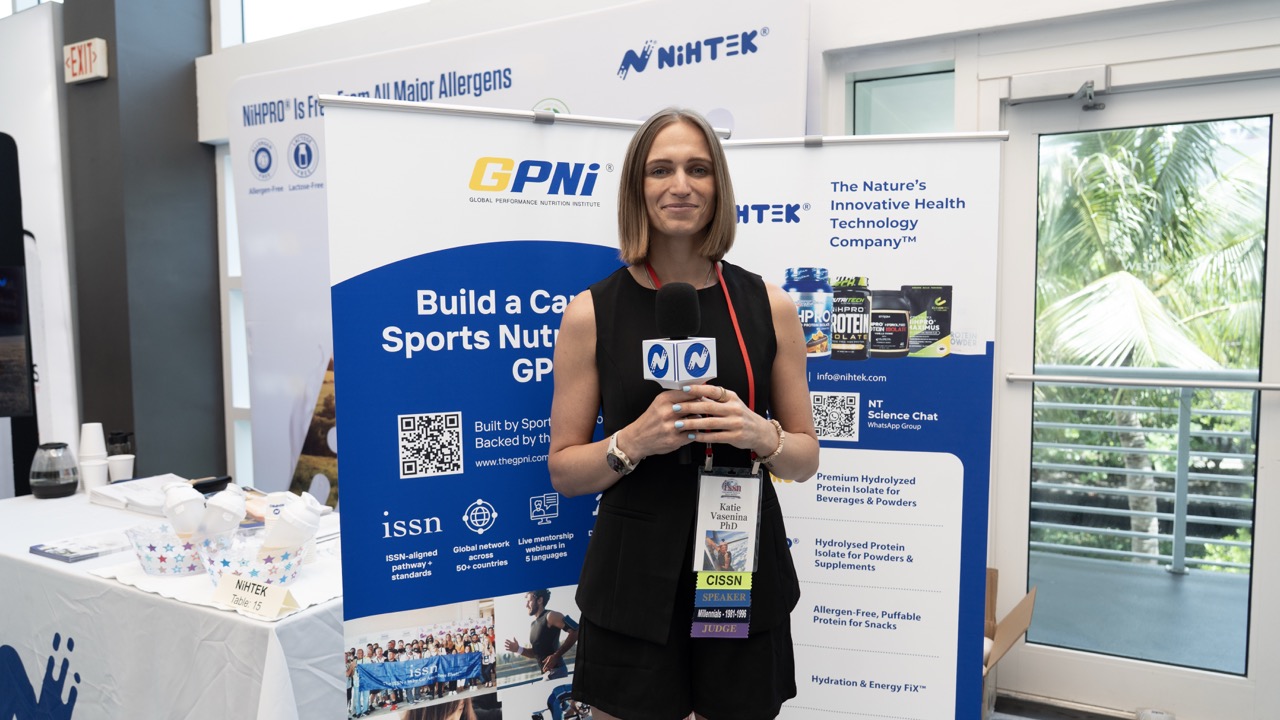
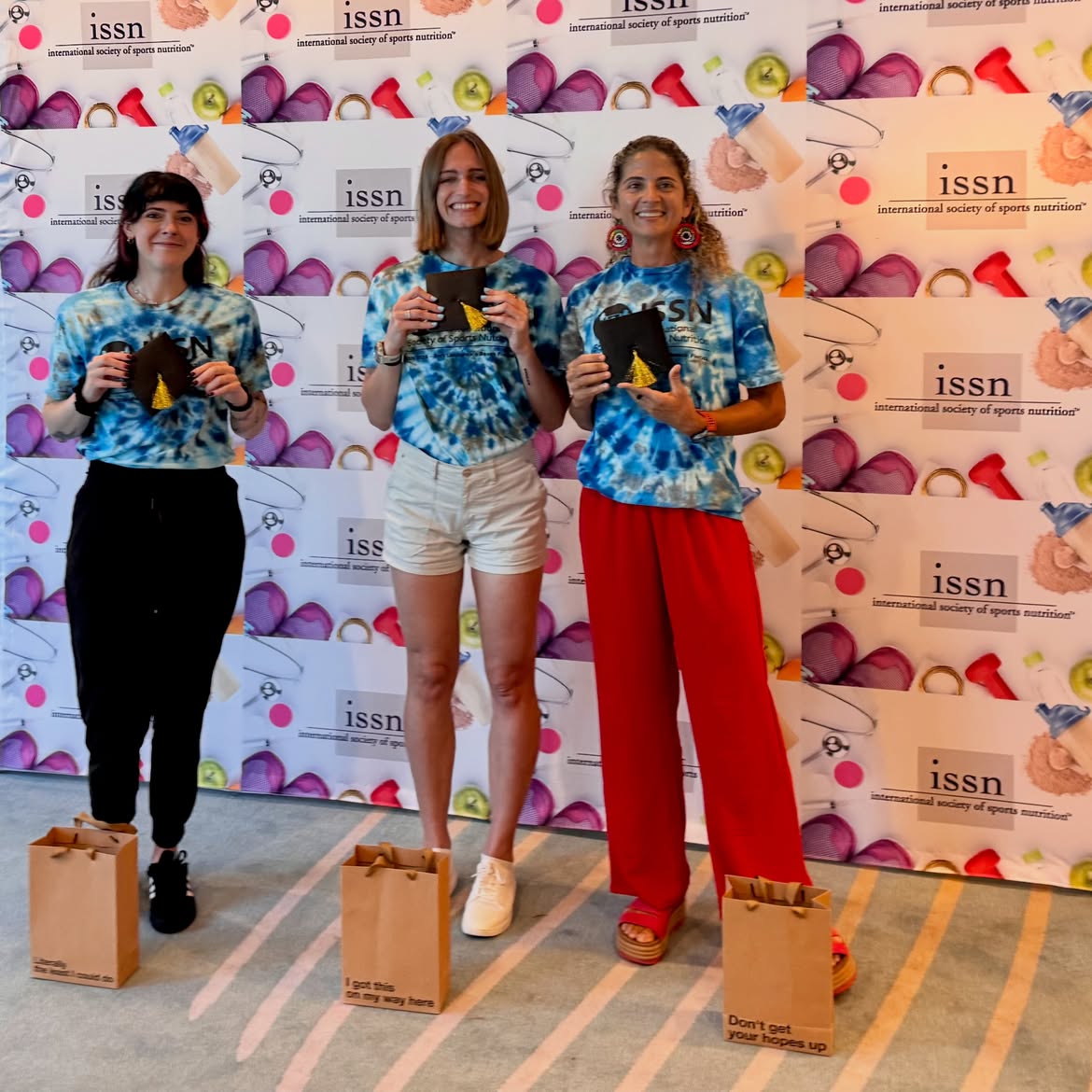
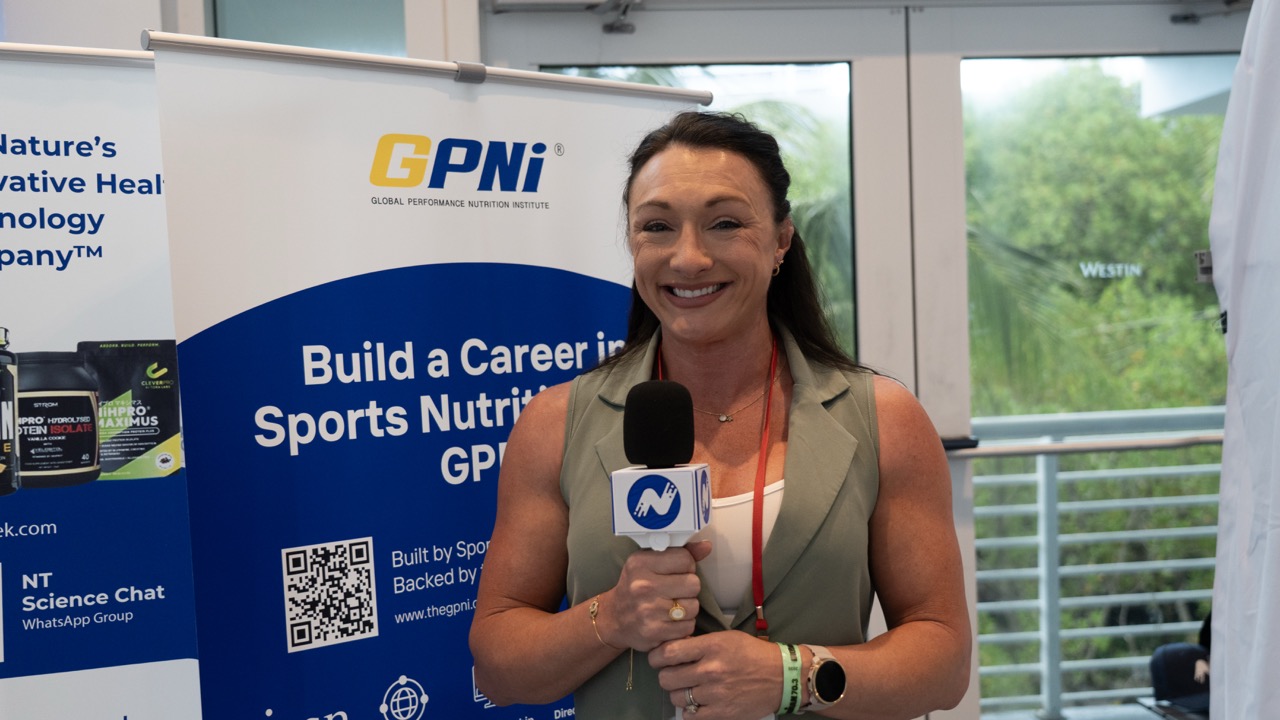
Dr. Katie Vasenina first arrived at ISSN as a master’s student who mainly wanted to meet a future PhD adviser and listen to lectures. Seven or eight years later, the relationships formed there had helped shape her work, funding, consulting opportunities, and academic career.
“Invest time in meeting people—and follow up.”
— Dr. Katie Vasenina
Dr. Katie Vasenina
- Assistant Professor of Health Sciences and Human Performance at the University of Tampa
- Former University of South Florida collegiate tennis athlete
- PhD in Kinesiology from the University of Central Florida
- Researches protein and dietary supplements, particularly collagen
- Studies muscle and tendon recovery, dietary patterns, tennis training, and injury
Research careers are often described through degrees, publications, and grants. Those milestones matter, but they rarely happen in isolation.
Katie Vasenina’s experience shows how scientific curiosity and professional relationships reinforce one another. Her work examines how nutrition and exercise affect recovery, adaptation, and performance. The network around that work has helped her find mentors, collaborators, consulting projects, employment, and support for new research.
From Collegiate Tennis to the Laboratory
Katie’s career grew from both sport and science. As a collegiate tennis athlete, she experienced training, recovery, performance demands, and injury risk directly. Graduate education gave her a way to turn those experiences into researchable questions.
Her work now focuses on how nutrition and exercise interact. Protein and dietary supplements—especially collagen—form a major part of that programme, alongside muscle and tendon recovery, muscle damage, plant-based and omnivorous athletes, and the training and injury patterns seen in tennis.
An athletic background can generate useful questions, but research requires more than personal experience. It requires methods capable of testing an idea, an honest interpretation of the results, and a willingness to revise the original assumption when the evidence points elsewhere.
Useful Research Begins with Better Questions
Some of Katie’s questions have direct practical relevance: Can collagen support recovery from muscle or tendon strain? How might different proteins affect adaptation? What patterns emerge when tennis players specialise or train over time?
Questions like these sit between laboratory precision and real-world complexity. Athletes differ in diet, training history, injury exposure, recovery, and behaviour. A study cannot capture everything at once, so researchers must decide which outcome matters, which comparison is meaningful, and what the design can realistically establish.
That is why good research is not the performance of having all the answers. It is the discipline of asking something useful, testing it carefully, discussing limitations, and allowing the next question to become more precise.
A Conference Connection Can Become Career Infrastructure
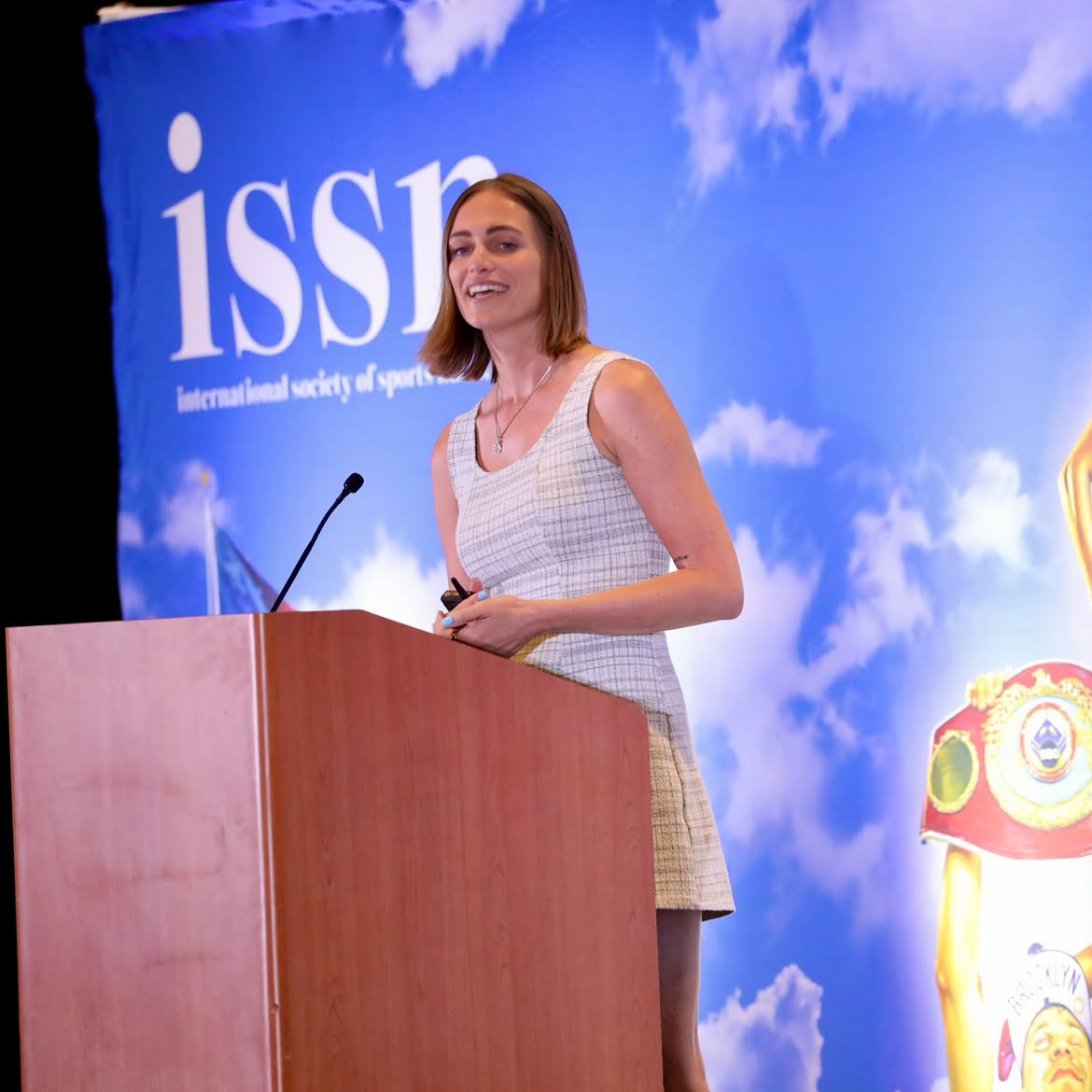
Katie first attended ISSN before beginning her PhD. Her future adviser was going, and she used the opportunity to meet him and other future professors while observing the field.
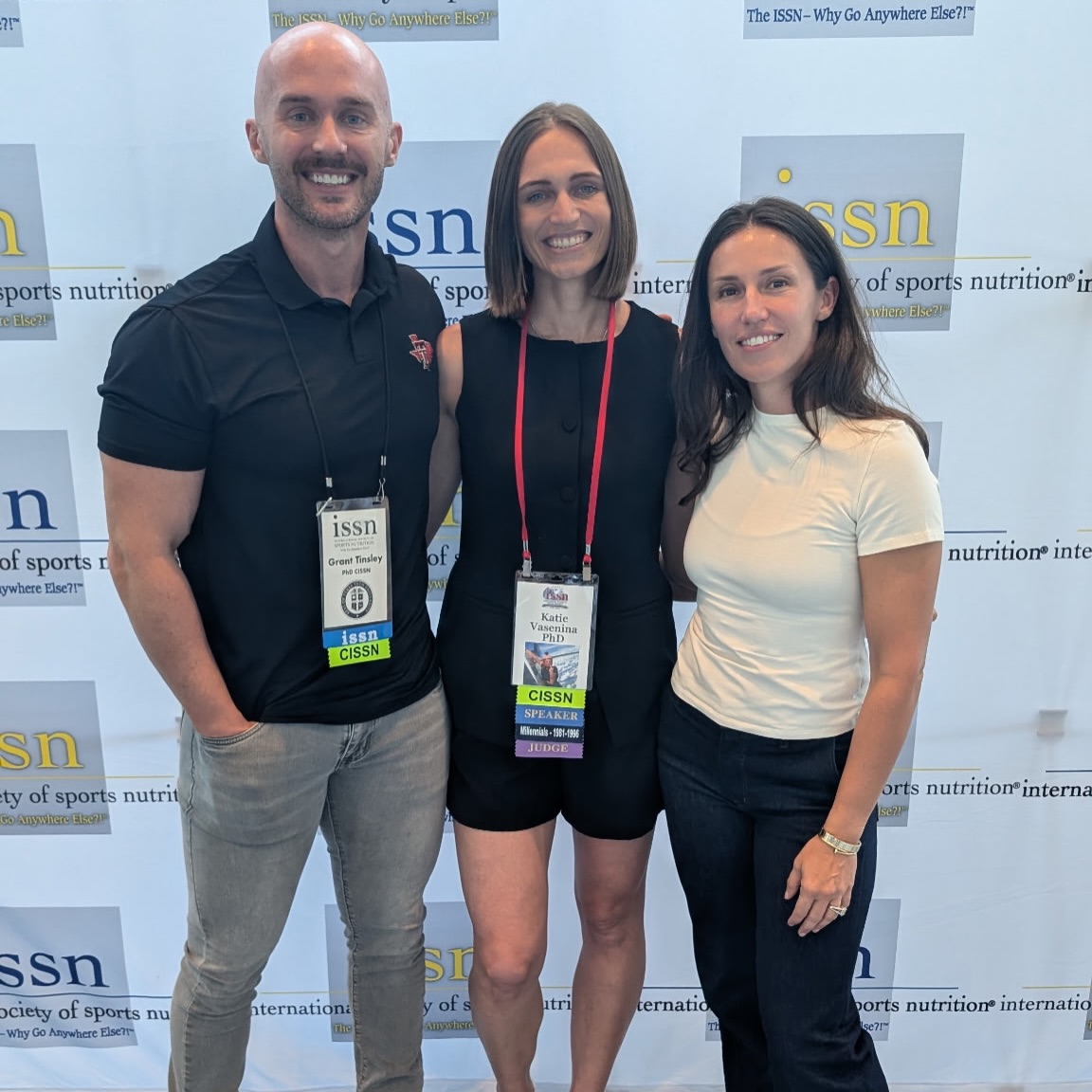
Those early conversations developed into a professional network. She credits relationships formed through ISSN with helping her find her academic position, consulting opportunities, close professional friendships, and contact with a company that later supported research as she began her role at the University of Tampa.
None of this means a brief introduction automatically produces a job or grant. The value comes from continuity: showing up, doing credible work, staying in contact, and becoming someone others know well enough to trust with an opportunity.
Meeting People Is Only the First Step
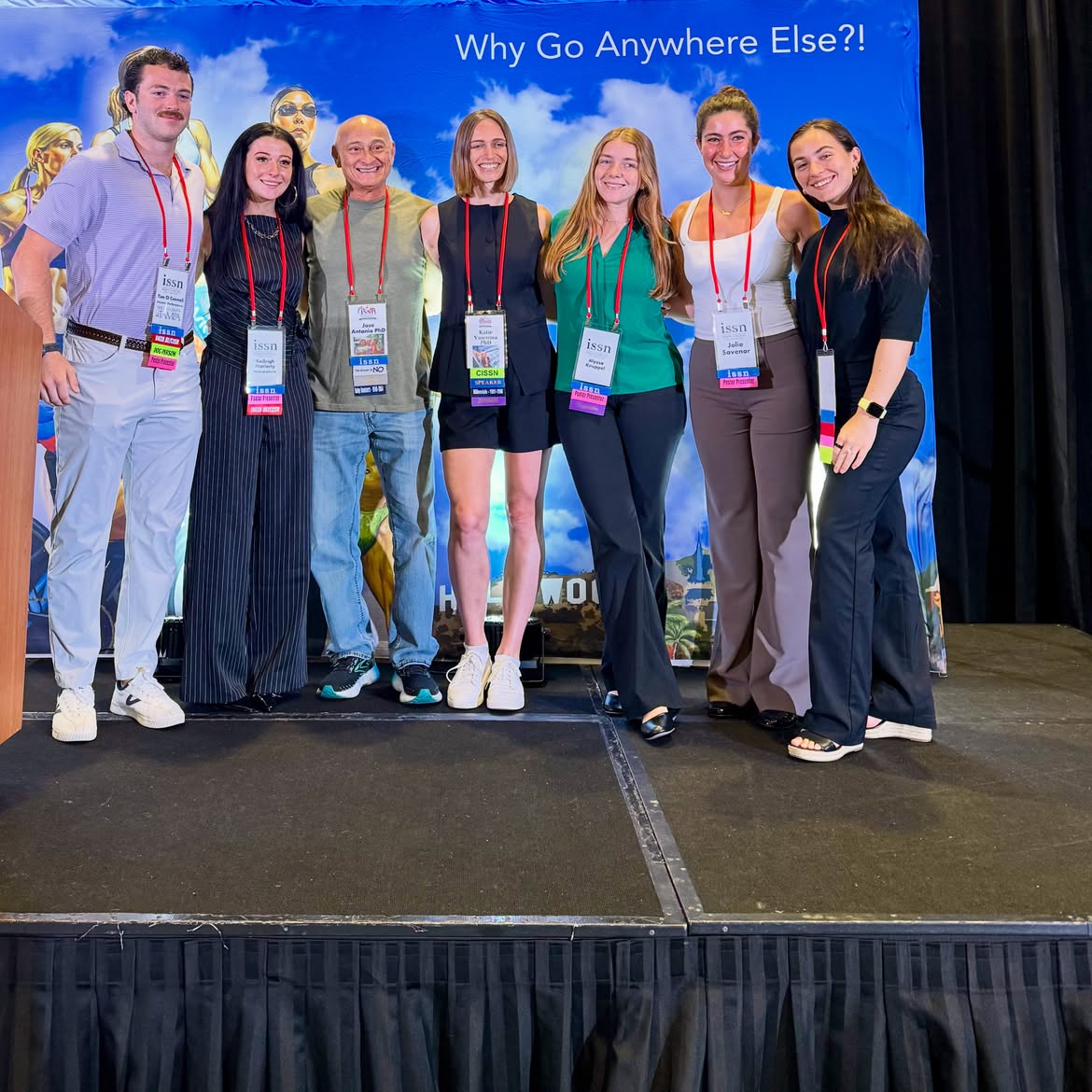
Katie’s practical advice is to invest time in people and follow up. Conferences make introductions possible, but a connection weakens quickly if nobody continues the conversation.
Useful follow-up is specific. Refer to what you discussed. Read the person’s work. Share a relevant update. Ask a thoughtful question rather than sending a generic request for help. If someone offers an introduction or suggestion, act on it and let them know what happened.
These habits are not separate from scientific ability. Research is collaborative, and careers depend on whether people can communicate, meet commitments, accept feedback, and contribute to shared work. Professional relationships become valuable when they are built around substance.
Education, Certification, and the Research Community
Structured education can help learners understand sports nutrition concepts, evaluate evidence, and recognise which questions remain unresolved. Certification can signal that a professional has studied a defined body of knowledge. Neither replaces the experience of participating in research or professional discussion.
GPNi® connects education with ISSN-aligned certification and a wider scientific community. For someone considering academic research, this foundation can support better reading, more informed questions, and clearer communication with researchers and practitioners.
Katie’s story adds an important career lesson: knowledge creates possibilities, but relationships help those possibilities become visible. The strongest development happens when scientific competence and sustained professional participation grow together.
A Question for You
Which professional relationship has most influenced your career—and have you followed up with that person recently?
Follow Dr. Katie Vasenina
Instagram: https://www.instagram.com/katievphd/
LinkedIn: https://www.linkedin.com/in/katie-vasenina-phd-75a41072/
Facebook: https://www.facebook.com/katie.bercume
From Learning to the Profession
GPNi® connects structured sports nutrition education and ISSN-aligned certification with the people, science, and professional community shaping the field. Education gains value when it helps learners enter real settings, ask better questions, apply evidence responsibly, and continue developing through practice and professional relationships.
Explore the pathways:







 Instagram
 Facebook
 YouTube
 Twitter
 Linkedin