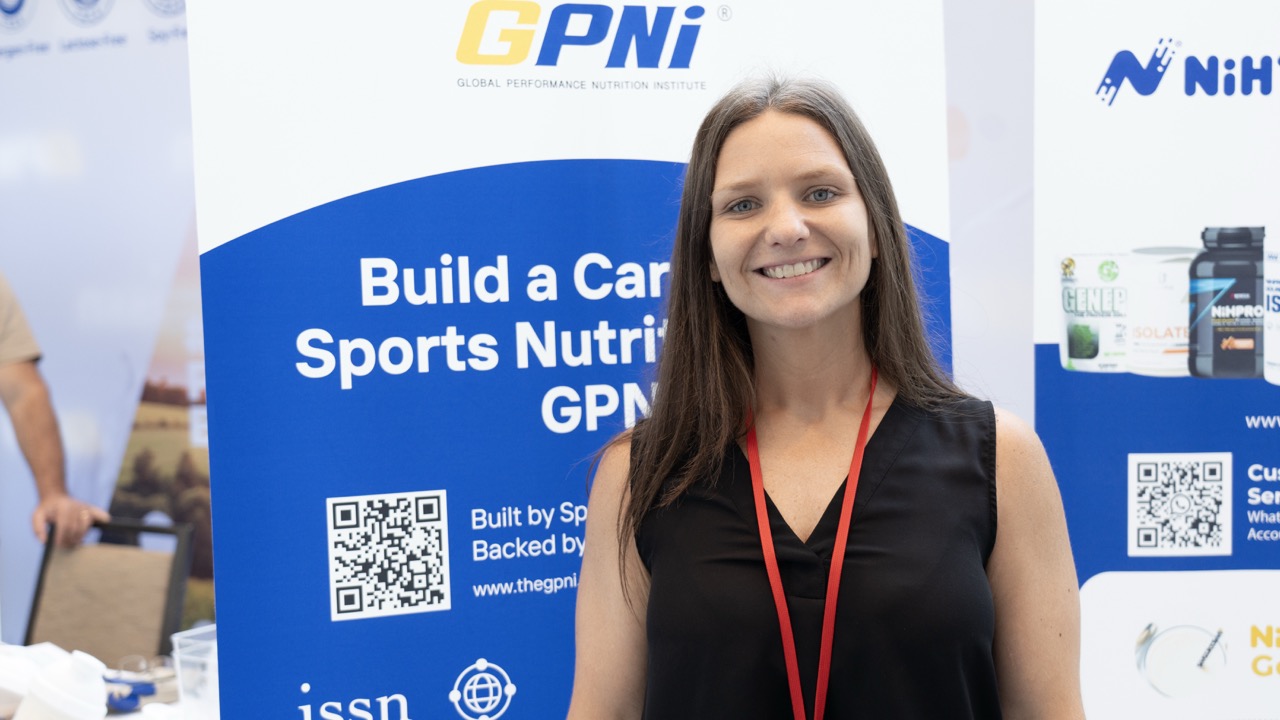
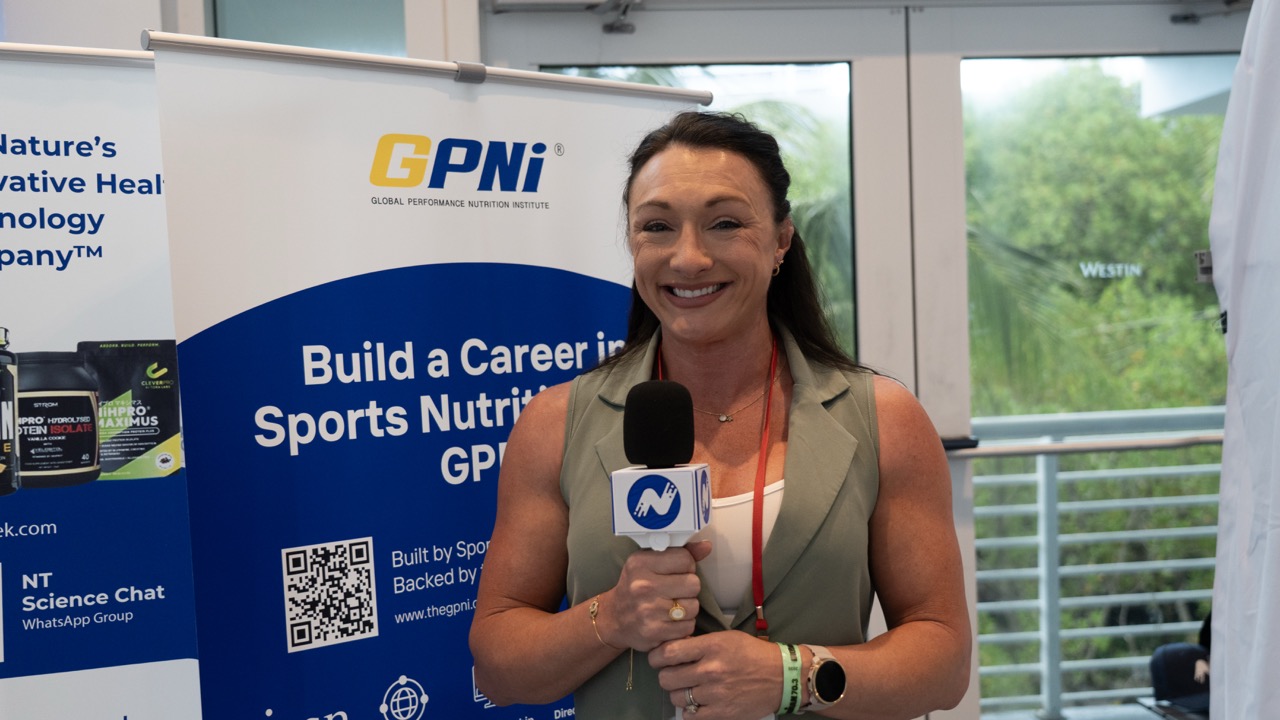
Recorded at the 23rd Annual ISSN Conference and Expo, this conversation focuses on what happens when an educator does more than attend a professional community herself: she brings students into it.
“Our students are the future of our profession.”
— Dr. K. Michelle Singleton
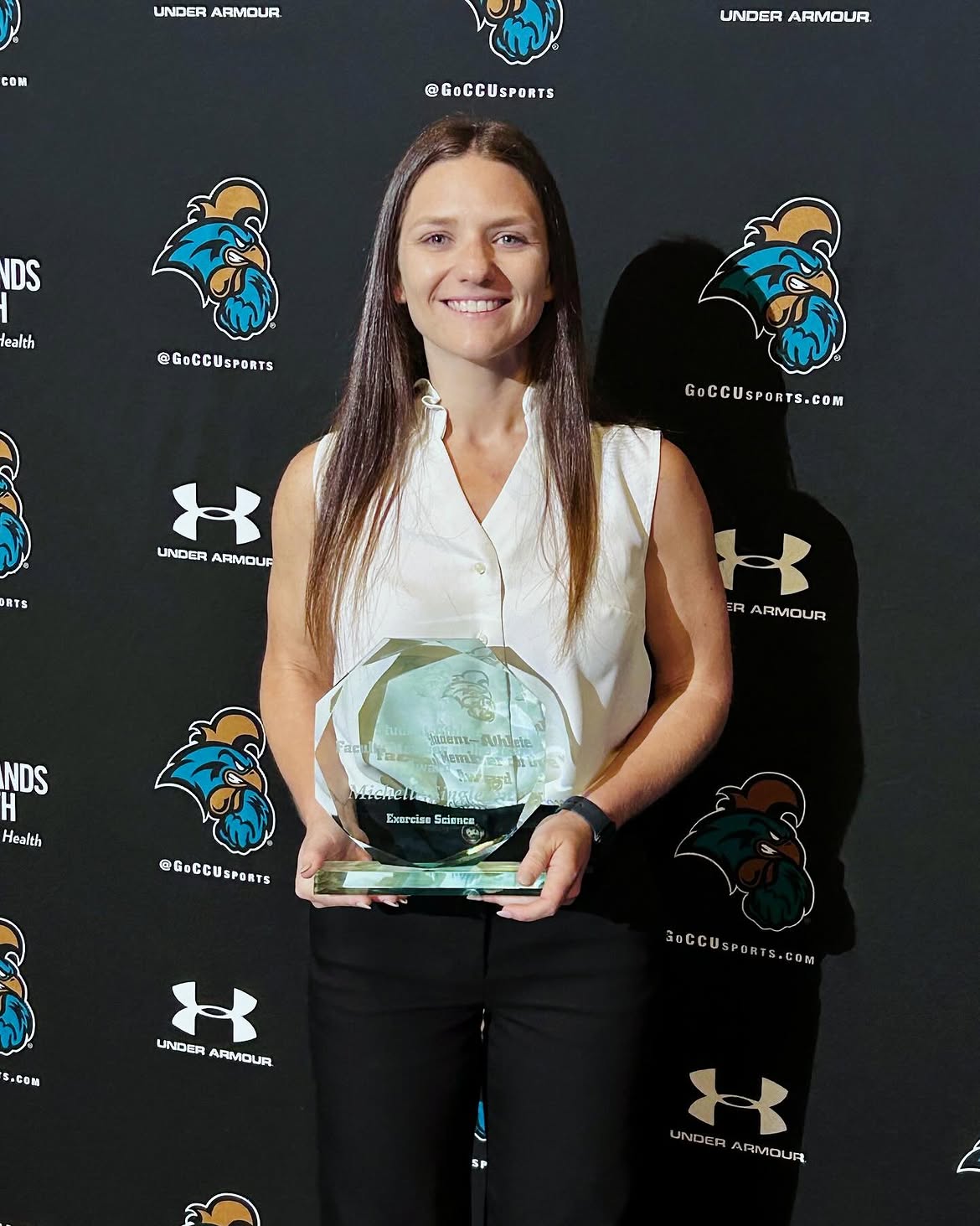
Dr. K. Michelle Singleton
- Assistant Professor of Kinesiology at Coastal Carolina University
- PhD in Health Sciences with a Human and Sport Performance focus
- Background in athletic training, sport nutrition, and human performance
- Teaches exercise and sport nutrition, injury management, kinesiology, and undergraduate research
- Researches sports nutrition education, recovery, athlete body image, and psychosocial aspects of injury
Research advances a profession. Mentorship determines whether the next generation is prepared to continue it.
Dr. K. Michelle Singleton works across both. Her research and teaching connect sports nutrition, athletic training, recovery, behaviour, body image, and the psychological dimensions of injury. At the same time, she creates opportunities for students to participate in research and enter professional spaces earlier in their development.
A Direction She Recognised Early
Michelle traces her interest in the field to the beginning of university. She had played sport and started lifting before college, then chose athletic training and exercise science as a freshman. Unlike many students who change direction repeatedly, she recognised the fit early and continued through graduate education.
She completed a bachelor’s degree in athletic training, a master’s degree in nutrition and human performance, and a PhD in health sciences focused on human and sport performance. Each stage expanded the questions she could ask—from injury and rehabilitation to nutrition, recovery, behaviour, and performance.
A clear direction did not make the path effortless. It gave her a reason to keep developing. The progression from undergraduate study to a faculty role reflects years of learning how evidence can inform both practice and education.
Research That Must Become Usable
Michelle first came to ISSN because she wanted information she could apply. The value of research is not limited to publication; it also lies in what it changes in practice, teaching, and future studies.
Her research interests include sports nutrition education interventions, dietary and recovery strategies following exercise and injury, athlete body image, psychosocial responses to injury, and mental-performance interventions. These areas share a practical concern: knowing what athletes should do does not guarantee that they understand it, trust it, or can translate it into behaviour.
That gap between knowledge and action is why education matters. Researchers and practitioners must consider how information is communicated, which barriers athletes face, and whether an intervention changes decisions rather than only test scores.
Why She Brings Students to ISSN
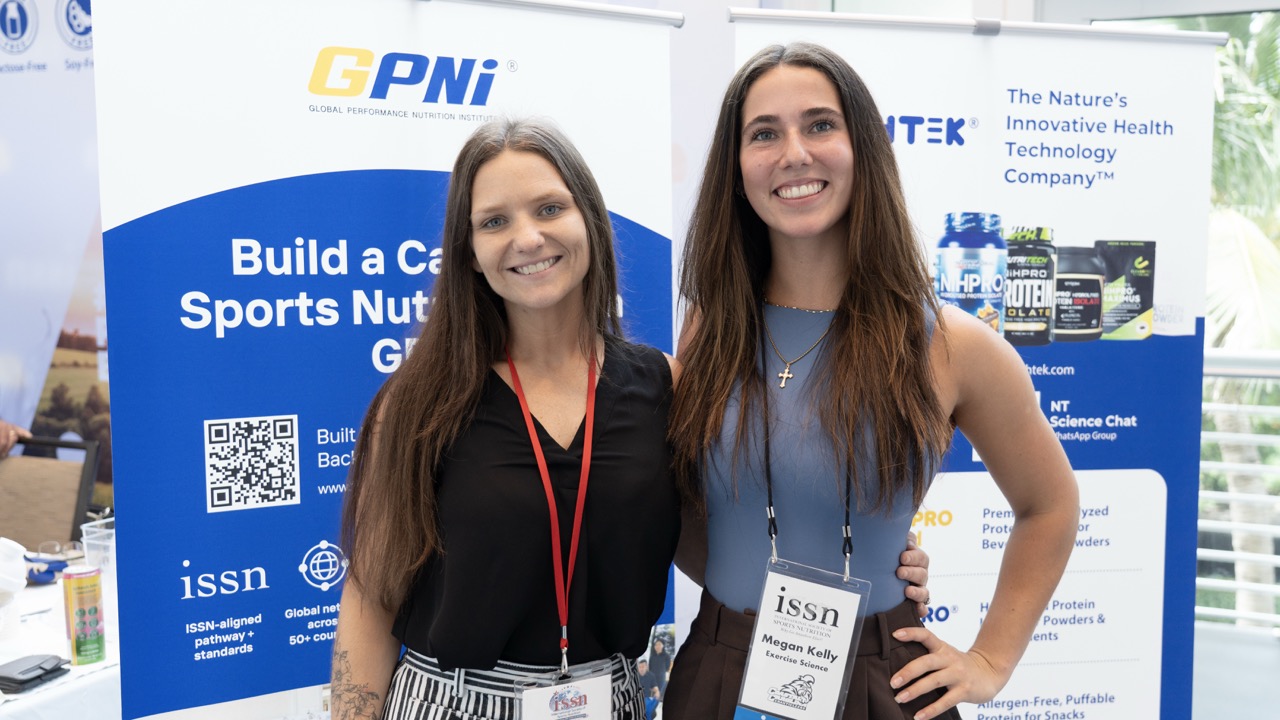
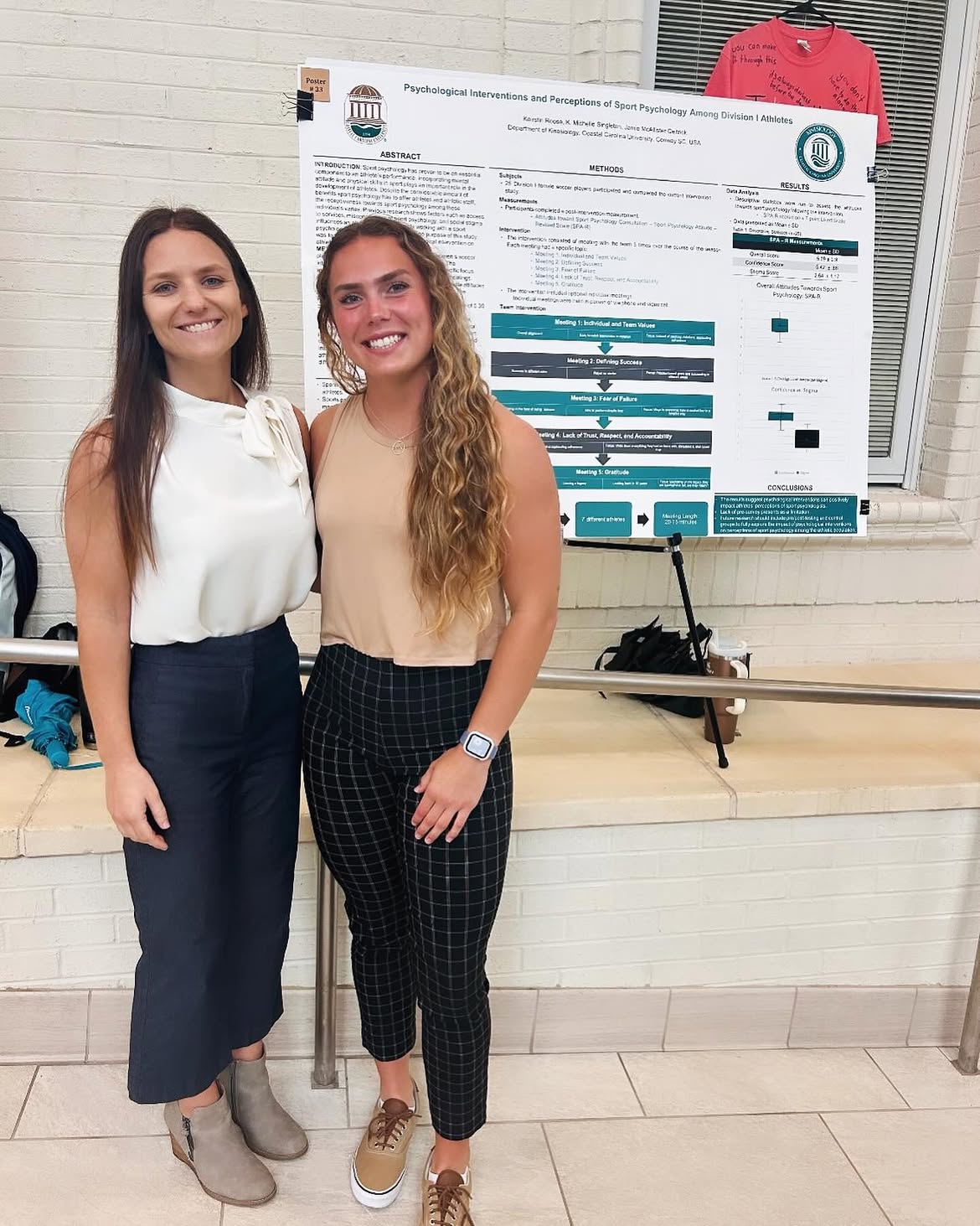
Michelle began involving her students in research and made ISSN part of that development. A student who helps build a project, presents findings, and speaks with professionals learns things that cannot be reproduced fully in a classroom.
The conference also changes how the profession feels. Michelle describes an unusually welcoming environment where newcomers can arrive knowing nobody and leave with relationships that may continue throughout their careers.
For faculty, bringing students into the room is not simply a reward for the highest achievers. It is professional development: students practise communication, see how evidence is debated, meet possible mentors, and begin to understand the standards expected of them.
Reach Out Sooner
If Michelle could advise her younger self, she would reach out to professors and researchers earlier. At 18 or 19, established academics seemed intimidating and far beyond her level.
Experience changed that perception. Educators are there to help students learn, and researchers know that a field cannot grow unless younger people are developed appropriately. A thoughtful question or request for involvement is not an intrusion when it is respectful and specific.
Students still need to take responsibility. Read about the person’s work, explain what interests you, ask how you might contribute, and follow through reliably. Mentorship works best when access from the educator is matched by effort from the learner.
Education as an Entry Point, Not a Waiting Room
GPNi® courses and ISSN-aligned certifications can give learners a structured sports nutrition foundation. That education can increase confidence, improve scientific literacy, and help students recognise where their knowledge needs to grow.
But students should not wait until they feel completely qualified before participating. Guided research, supervised practice, conference presentations, and conversations with faculty are part of how competence develops.
Michelle’s message is ultimately about responsibility on both sides. Young professionals should reach out. Established professionals should make the field accessible enough for them to enter. Students are not outsiders waiting for a distant future; the profession is already being shaped by how well they are taught, mentored, and invited to contribute today.
A Question for You
What helped you feel welcome when you were new to your field—and how could you offer that same support to someone else?
Follow Dr. K. Michelle Singleton
Instagram: https://www.instagram.com/michellesingletonphd/
Facebook: https://www.facebook.com/michelle.singleton20
LinkedIn: https://www.linkedin.com/in/k-michelle-singleton-phd-cissn-atc-cpt-3b367085/
Faculty profile: https://www.coastal.edu/knes/facultyandstaff/kmichellesingletonfacultypage/
From Learning to the Profession
GPNi® connects structured sports nutrition education and ISSN-aligned certification with the people, science, and professional community shaping the field. Education gains value when it helps learners enter real settings, ask better questions, apply evidence responsibly, and continue developing through practice and professional relationships.
Explore the pathways:






 Instagram
 Facebook
 YouTube
 Twitter
 Linkedin