We have been talking a lot about the benefits of vegetables recently. We covered beta-carotene, then lutein. Today, let’s look at another powerful plant pigment: lycopene.
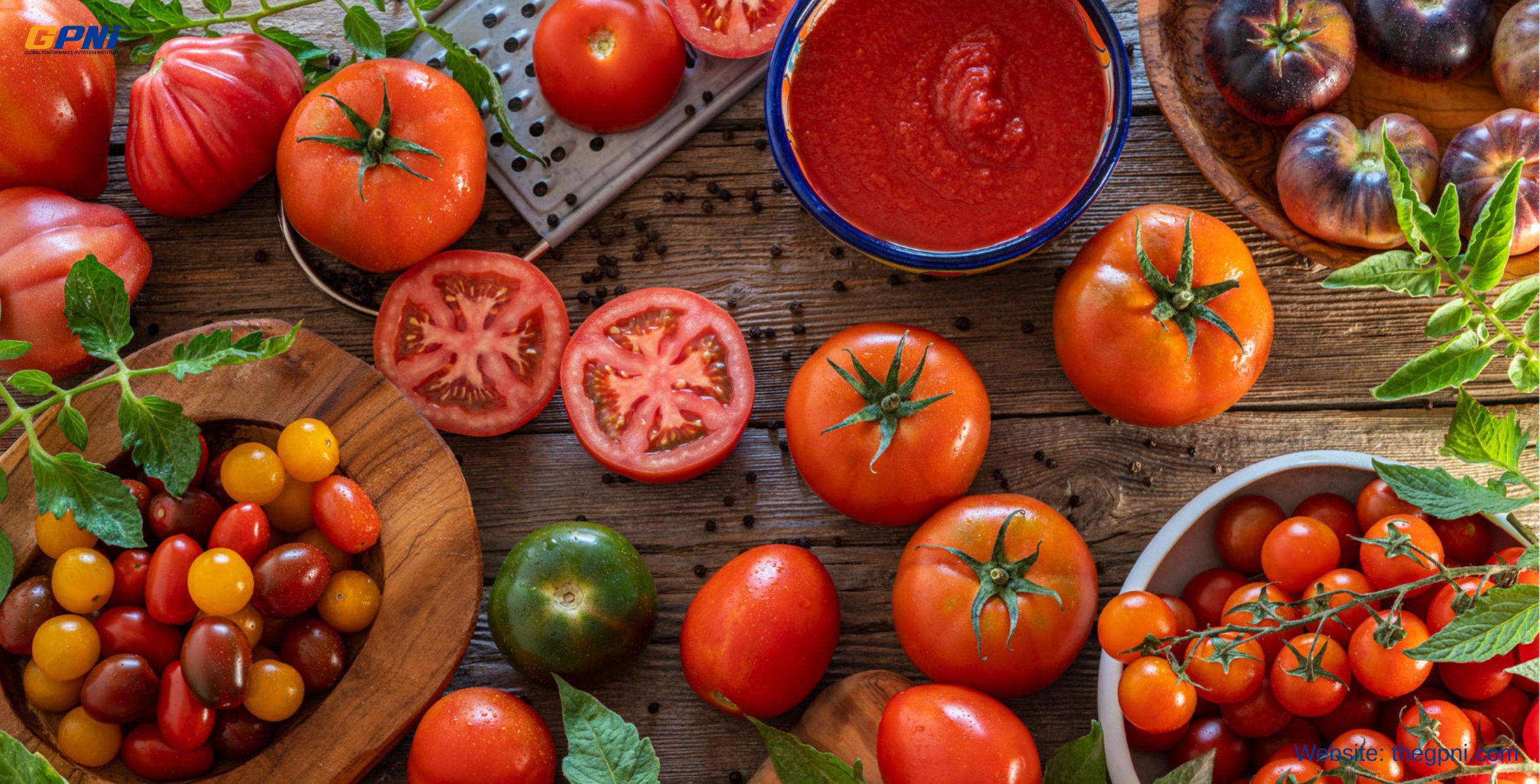
Lycopene is the main red pigment found in ripe tomatoes. It belongs to the carotenoid family, the same group of naturally occurring compounds that gives many fruits and vegetables their bright red, orange, and yellow colors.
Back in 1989, researchers found that among carotenoids, lycopene had one of the strongest abilities to quench singlet oxygen, a reactive form of oxygen linked to oxidative stress. In simple terms, lycopene is known for its strong antioxidant activity.
Interestingly, lycopene is fat-soluble, similar to vitamins A, D, E, and K. This means your body may absorb it better when it is eaten with a small amount of fat. So while raw tomatoes are healthy, they may not always provide the most bioavailable form of lycopene.
Cooked tomato dishes can be an excellent option. Tomato-based soups, pasta sauces, stews, shakshuka, or cooked tomatoes with olive oil may help the body make better use of lycopene. In other words, tomatoes are not only good raw. They can be even more beneficial when cooked and paired with healthy fats.
What Does Lycopene Do in the Body?
The best-known role of lycopene is its antioxidant effect.
Oxidative stress happens when there is an imbalance between free radicals and the body’s antioxidant defenses. Over time, oxidative stress may contribute to cellular damage and is associated with many aspects of aging and chronic disease risk.
Lycopene has been shown in laboratory settings to have a particularly strong ability to quench singlet oxygen. Some studies suggest this activity may be stronger than that of beta-carotene and vitamin E in certain models.
Beyond antioxidant support, lycopene has also been studied for its potential relationship with cardiovascular health, skin protection, and reduced risk of certain cancers. However, it is important to understand this in the right context. Lycopene is not a medicine, and eating tomatoes does not “prevent” or “treat” disease on its own.
Instead, lycopene-rich foods should be seen as part of a long-term healthy eating pattern that includes plenty of vegetables, fruits, whole grains, quality protein, healthy fats, and regular physical activity.
Which Foods Are Rich in Lycopene?
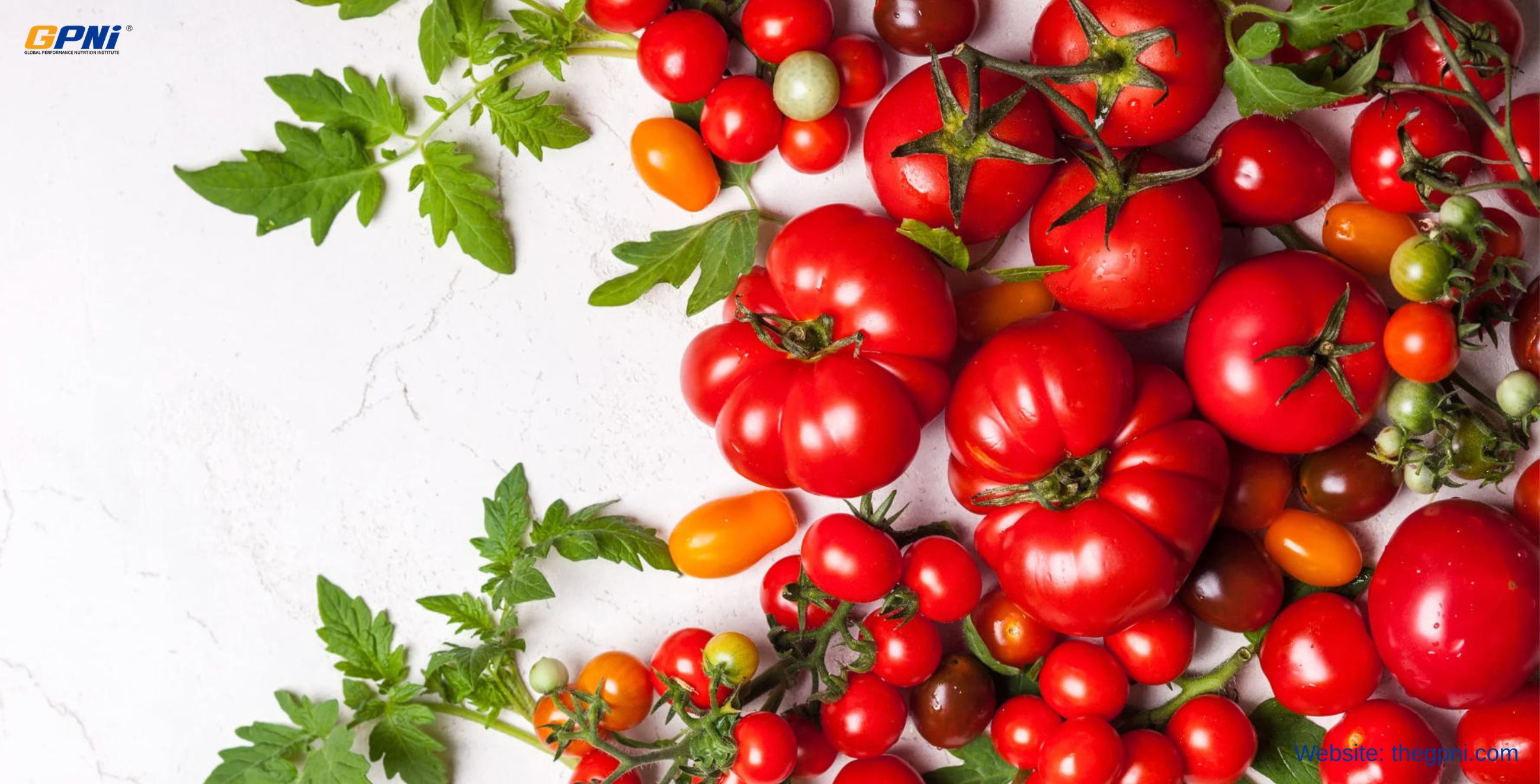
Tomatoes and tomato-based products are among the best-known sources of lycopene.
In many everyday diets, concentrated tomato products such as tomato paste, tomato puree, tomato sauce, and ketchup can contain higher amounts of lycopene than raw tomatoes because the tomatoes are processed and concentrated.
That said, some commercial ketchup and tomato sauces may also contain added sugar and sodium. They can still be included in the diet, but it is worth checking the label and using them in moderation.
Good lycopene-rich options include:
- Tomato paste
- Tomato puree
- Cooked tomato sauce
- Tomato soup
- Tomato-based stews
- Canned tomatoes
- Fresh ripe tomatoes
- Watermelon
- Pink or red grapefruit
- Guava
- Persimmon
- Red bell peppers
- Red cabbage
- Carrots
As summer approaches in many regions, watermelon can also be a refreshing way to get lycopene. Just remember that watermelon contains natural sugar, so portion size still matters, especially for people managing blood sugar intake.
How to Add More Lycopene to Your Diet
Adding lycopene to your daily meals does not need to be complicated.
You can include tomato-based foods several times a week, such as tomato soup, tomato pasta sauce, tomato stew, or eggs cooked with tomatoes. You can also add tomato puree or tomato paste to sandwiches, wraps, casseroles, soups, and sauces.
Pairing tomato products with a little healthy fat, such as olive oil, avocado, eggs, or fatty fish, may help improve lycopene absorption.
You can also enjoy red and pink fruits like watermelon, guava, and grapefruit as part of a varied diet.
A simple way to think about it is this: let red and orange-red fruits and vegetables appear on your plate regularly.
Should You Take a Lycopene Supplement?
For most healthy people, food should come first.
There is currently no widely established recommended daily intake for lycopene. However, some research suggests that many people may not consume high amounts of lycopene-rich foods regularly.
The good news is that lycopene-rich foods are easy to include in a balanced diet. Tomatoes, tomato products, watermelon, guava, grapefruit, and other colorful fruits and vegetables can all contribute to your intake.
Instead of focusing on one single nutrient, the better approach is to build a colorful, plant-rich diet over time.
Lycopene may be hidden inside a humble tomato, but when it comes to supporting everyday health, it is a small nutrient with impressive potential.














 Instagram
 Facebook
 YouTube
 Twitter
 Linkedin