Question:
A diet high in trans fats and saturated fats is most strongly associated with an increased risk of:
A. Osteoporosis
B. Heart disease
C. Iron deficiency anemia
D. Scurvy
Correct Answer: B. Heart disease
Why This Question Matters
This looks like a simple nutrition exam question, but it points to one of the most important topics in public health nutrition: dietary fat quality.
For many years, people were told to “eat less fat.” That message was simple, but not very useful. We now know that the type of fat matters more than total fat alone.
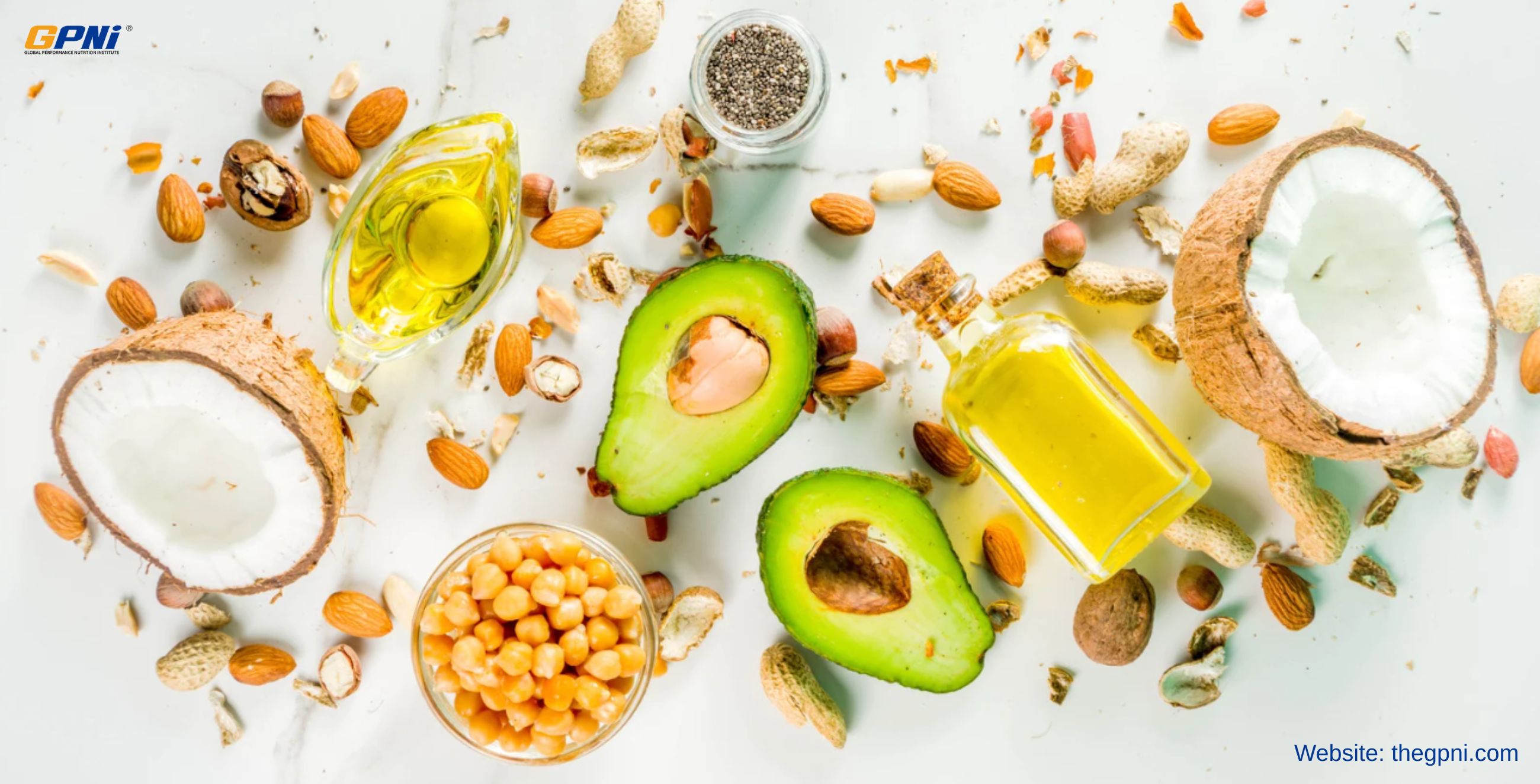
Some fats are essential and beneficial. Unsaturated fats from foods such as olive oil, nuts, seeds, avocado, soy foods, and fatty fish can be part of a heart-supportive diet. On the other hand, diets high in industrial trans fats and excessive saturated fats are linked with a higher risk of cardiovascular disease.
So the better question is not, “Is fat bad?”
The better question is:
What kind of fat are we eating, and what is it replacing in the diet?
Trans Fats: The Fat We Should Avoid
Trans fats are the clearest case.
Small amounts of naturally occurring trans fats can be found in some ruminant animal foods, but the main concern has historically been industrially produced trans fats. These were commonly formed through partial hydrogenation, a process used to make liquid oils more solid and improve shelf life.
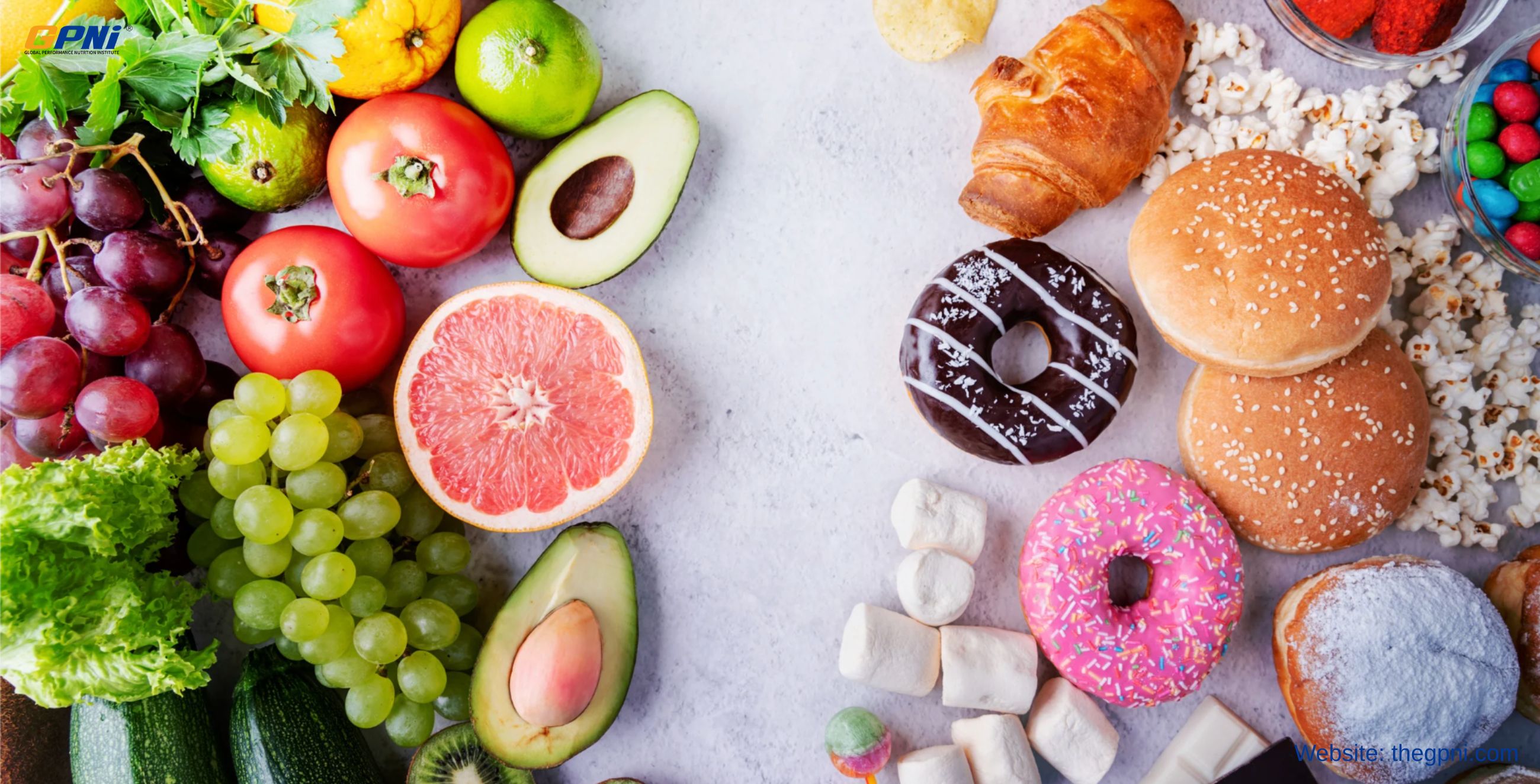
That is why trans fats used to appear in some margarines, shortenings, fried foods, commercial baked goods, pastries, packaged snacks, and fast-food products.
The problem is that trans fats have a particularly unfavorable effect on blood lipids. They can raise LDL cholesterol, often called “bad” cholesterol, while lowering HDL cholesterol, often called “good” cholesterol. This combination is one reason trans fats are considered especially damaging for cardiovascular health.
From an evidence-based nutrition standpoint, the advice is straightforward: industrial trans fats should be avoided as much as possible.
This is not about fear. It is about risk reduction. If a fat consistently worsens cardiovascular risk markers and provides no nutritional advantage, there is little reason to keep it in the diet.
Saturated Fat: More Nuanced, but Still Important
Saturated fat is a more nuanced topic.
Unlike trans fat, saturated fat is not one single substance and is not only found in “junk food.” It is present in many foods, including butter, cheese, cream, fatty cuts of meat, processed meats, coconut oil, palm oil, and some desserts and fried foods.
The key concern is that higher saturated fat intake can raise LDL cholesterol in many people. LDL cholesterol is one of the major causal risk factors for atherosclerotic cardiovascular disease.
However, it is too simplistic to say “all saturated fat is poison.” Nutrition does not work like that.
The health effect of reducing saturated fat depends heavily on what replaces it. Replacing saturated fat with unsaturated fats, especially polyunsaturated fats, tends to improve blood lipid profiles and reduce cardiovascular risk. Replacing saturated fat with refined starches or added sugars is much less helpful and may not meaningfully improve risk.
This is where many diet conversations go wrong. People remove butter or fatty meat but replace those calories with highly refined snacks, sweets, or white-flour foods. That is not the same as improving diet quality.
The goal is not just to eat less saturated fat. The goal is to build a better dietary pattern.
Heart Disease Is About Patterns, Not One Food
Heart disease does not come from one meal, one food, or one nutrient in isolation. It develops over time through a combination of factors, including blood lipids, blood pressure, blood glucose control, inflammation, smoking, physical inactivity, genetics, sleep, stress, and overall diet quality.
Still, diet is one of the most modifiable factors.
A diet pattern high in trans fats, excessive saturated fats, refined carbohydrates, added sugars, and low in fiber-rich foods is not ideal for cardiovascular health. By contrast, dietary patterns rich in vegetables, fruits, legumes, whole grains, nuts, seeds, fish, and unsaturated fats are generally more supportive of long-term heart health.
For athletes and active people, this matters too.
Training can improve cardiovascular fitness, insulin sensitivity, and body composition, but it does not make someone immune to the effects of poor diet quality. An athlete can be fit and still have elevated LDL cholesterol. A physically active person can still develop cardiovascular risk factors.
Performance nutrition and health nutrition should not be treated as separate worlds.
Practical Food Swaps
The practical message is not complicated.
Instead of focusing only on restriction, focus on replacement.
Replace butter with olive oil or other unsaturated plant oils when appropriate.
Choose nuts, seeds, avocado, and fish more often.
Limit foods made with partially hydrogenated oils.
Reduce frequent intake of processed meats, high-fat fried foods, pastries, and ultra-processed snacks.
Choose leaner protein sources when saturated fat intake is already high.
Keep high-fiber foods, such as legumes, oats, vegetables, and whole grains, in the diet.
For many people, the biggest improvement comes from small repeated choices, not a dramatic overhaul.
A heart-supportive diet does not need to be fat-free. In fact, many healthy dietary patterns contain a meaningful amount of fat. The difference is that the fat comes mostly from unsaturated sources, and the overall pattern is nutrient-dense.
GPNi Takeaway
The correct answer to the QA is heart disease, but the deeper lesson is about fat quality.
Trans fats should be avoided as much as possible because they have a clearly harmful effect on cardiovascular risk. Saturated fats should be limited, especially when they come from highly processed foods or displace more beneficial unsaturated fats.
But the goal is not to fear fat.
The goal is to choose better fat sources, improve the overall diet pattern, and understand what the evidence actually says.
In evidence-based nutrition, the question is rarely just “good food” or “bad food.”
A better question is:
What is the overall pattern, and what are we replacing?
References
- World Health Organization. Trans fat. WHO Fact Sheet. Updated 2023.
- World Health Organization. Saturated Fatty Acid and Trans-Fatty Acid Intake for Adults and Children: WHO Guideline. Geneva: World Health Organization; 2023. ISBN: 978-92-4-007363-0.
- Sacks FM, Lichtenstein AH, Wu JHY, Appel LJ, Creager MA, Kris-Etherton PM, et al. Dietary Fats and Cardiovascular Disease: A Presidential Advisory From the American Heart Association. Circulation. 2017;136(3)–e23. doi:10.1161/CIR.0000000000000510.
- American Heart Association. Fats in Foods. American Heart Association; 2026.












 Instagram
 Facebook
 YouTube
 Twitter
 Linkedin