We all know we should be eating more vegetables. After training, the body goes through energy depletion, tissue repair, and a certain degree of oxidative stress and inflammation. Most people focus on protein and carbohydrates, but often overlook the equally important nutrients found in vegetables.
For active individuals, the vitamins, minerals, and dietary fiber in vegetables play an essential role in supporting normal body function and recovery. These benefits are widely recognized. But vegetables also contain another group of valuable compounds that are easy to miss. These substances help the body deal with oxidative stress, fight inflammation, support immunity, and protect long-term health, yet they are not classified as traditional nutrients. We generally refer to them as phytochemicals.
There is still no single universally accepted way to classify phytochemicals, but common examples include beta-carotene, phytosterols, saponins, polyphenols, phytoestrogens, phytic acid, lutein, and allicin. Today, let’s take a closer look at one of the most familiar of them all: beta-carotene.
What Is Beta-Carotene?
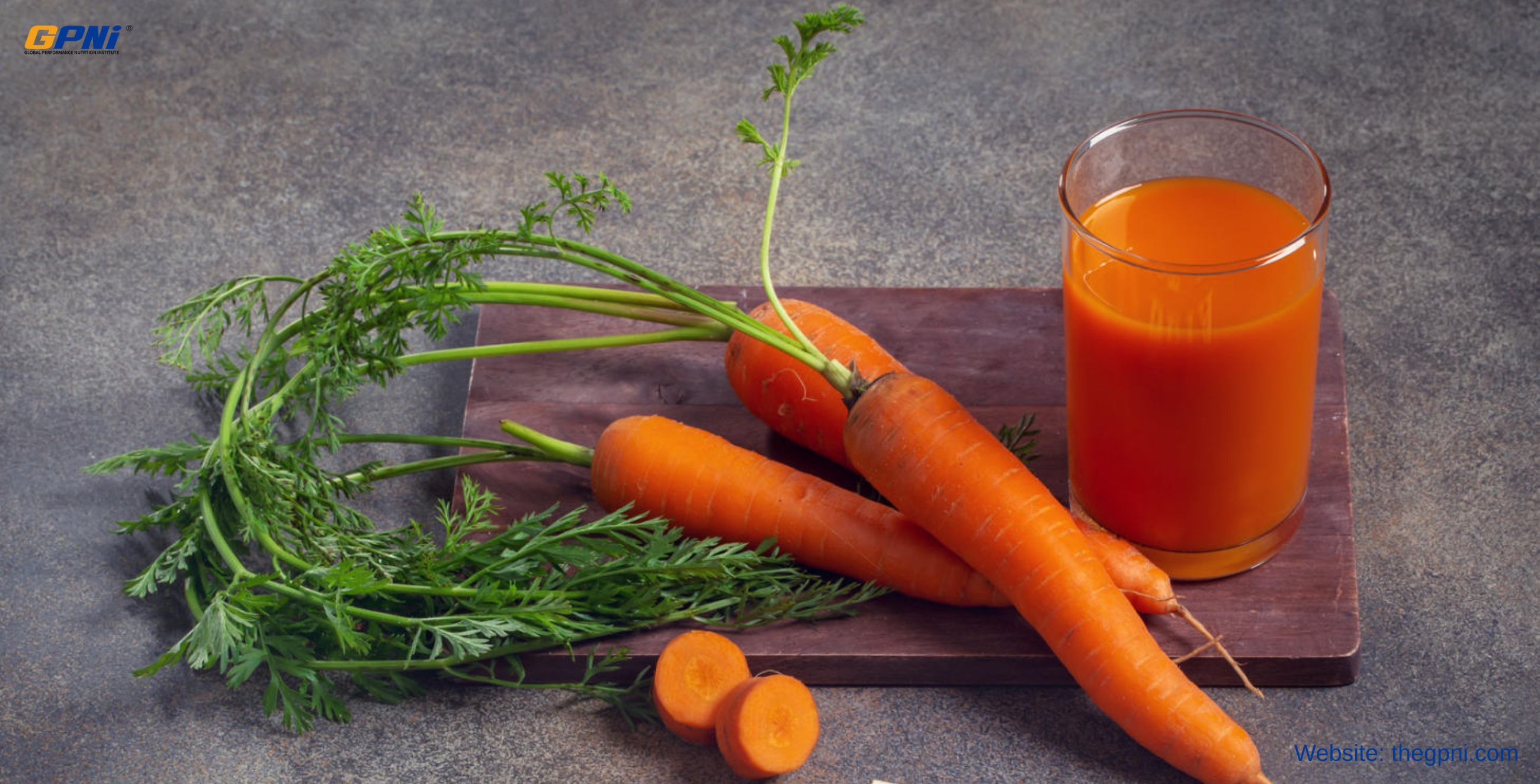
Beta-carotene is one type of carotenoid, a group of natural pigments found in plants. It is abundant in orange and yellow vegetables such as carrots and pumpkin, and it is also present in many dark leafy greens like spinach and kale. Some leafy greens do not appear orange simply because their chlorophyll masks the pigment’s original color.
Beta-carotene was first identified in carrots in the 19th century. Later, in the 20th century, scientists discovered that it can be converted into vitamin A in the human body, making it one of the major dietary sources of this essential nutrient. So what exactly does beta-carotene do once it is in the body?
Why Does Beta-Carotene Matter for Active People?
First, beta-carotene is a precursor to vitamin A. In the small intestine, it can be converted by the enzyme beta-carotene 15,15'-monooxygenase, and one molecule of beta-carotene can yield two molecules of vitamin A. Vitamin A plays a fundamental role in many physiological functions, including:
- supporting normal vision, especially in low-light conditions
- maintaining the health of the skin and mucosal tissues
- helping regulate immune function
- contributing to cell growth, differentiation, and repair
Second, exercise creates a certain amount of oxidative stress, especially after long-duration or high-intensity training. Beta-carotene has strong antioxidant properties and helps neutralize free radicals, which may reduce cellular damage. In everyday life, exposure to cooking fumes or secondhand smoke can also generate harmful compounds such as nitric oxide, which may contribute to lung tissue damage. Beta-carotene may help protect lung health by improving the fluidity of alveolar macrophage membranes and limiting oxidative injury.
Beta-carotene also matters because vitamin A helps maintain the integrity of the skin and mucosal barriers. The mucosal linings of the respiratory and digestive tracts serve as one of the body’s first lines of defense against external stressors. That means regularly eating foods rich in beta-carotene may also help support immunity and strengthen the body’s natural defenses.
Finally, through its role in vitamin A metabolism, beta-carotene is closely linked to visual health. It is not something that produces an instant, dramatic effect, but over the long term, good dietary intake of beta-carotene is clearly part of a nutrition strategy that supports healthy vision.
Common Foods Rich in Beta-Carotene
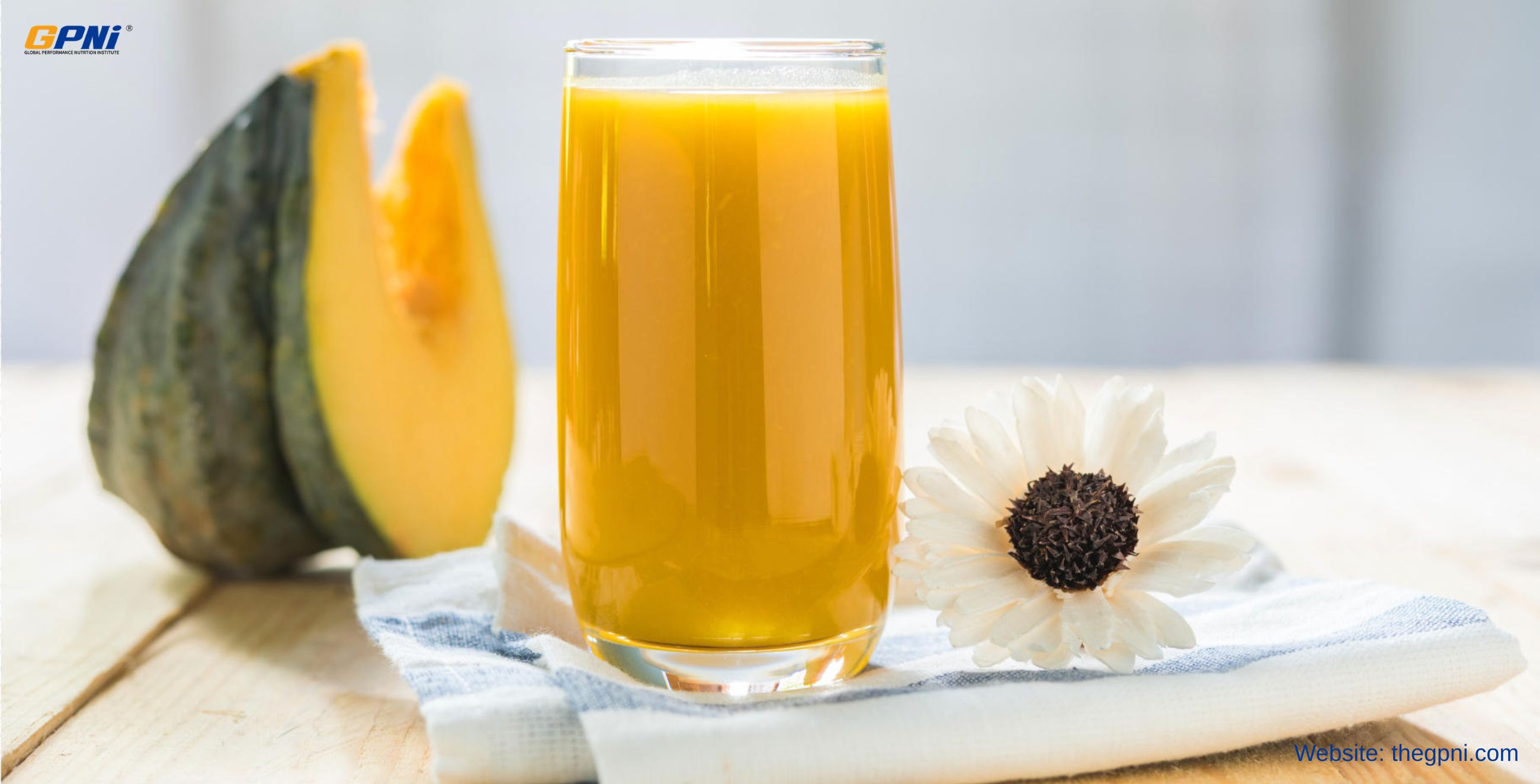
When people think of beta-carotene, carrots usually come to mind first. But carrots are far from the only source. Beta-carotene is found in a wide range of vegetables. Some commonly eaten vegetables rich in beta-carotene include:
carrots, kale, spinach, celery, pumpkin, napa cabbage, scallions, peppers, and leeks
A simple rule of thumb is this: orange-yellow vegetables and dark leafy greens are usually excellent sources of beta-carotene.
These are all familiar, everyday vegetables, which makes them easy to include in regular meals. They can be especially useful as part of a balanced post-workout meal to support recovery. That said, it is less important to memorize a ranking of foods and more important to make sure these vegetables show up consistently across your daily diet.
How Should You Eat Beta-Carotene?
This part matters. Beta-carotene is a fat-soluble compound, which means it is generally absorbed more efficiently when eaten with a moderate amount of dietary fat. So when planning meals, there is no need to chase extreme approaches such as eating everything raw, boiling without oil, or trying to avoid fat altogether.
Beta-carotene is important, but it is only one of many phytochemicals found in plant foods. Vegetables of different colors and types tend to provide different phytochemical profiles. That is exactly why it makes sense to eat the rainbow. Rotating orange, dark green, red, purple, and white vegetables through your meals is far more meaningful than relying on the same few foods all year long.
So the next time you plan your meals, do not focus only on protein and carbohydrates. Make room on your plate for carrots, spinach, pumpkin, kale, and other colorful vegetables too. Your recovery, immunity, and overall health will thank you for it.












 Instagram
 Facebook
 YouTube
 Twitter
 Linkedin