Why This Matters Now
Picture a typical weekday.
You wake up already checking emails. You rush to the train, jog up two flights of stairs, stand in line for coffee, then sit for hours. By the time you finish work, that WHO recommendation of 150 minutes of moderate exercise per week feels very far away.
Coaches hear the same thing over and over:
“I just don’t have time for a full workout.
Do these little bits of walking, stairs, squats… actually count?”
A recent global expert consensus published in the Journal of Sport and Health Science has a clear answer: yes, those little bits can matter a lot if we use them strategically.
At GPNi®, we see this as an important bridge between ideal training plans and real lives. The question is no longer “30-minute run or nothing?” but “How do we turn your whole day into a smarter training and nutrition environment?”
What the New SBAE Consensus Actually Says

The paper introduces and standardizes the concept of Short Bouts of Accumulated Exercise (SBAE). In simple terms, SBAE refers to:
- Any mode of exercise, at any intensity
- Done in bouts of 10 minutes or less
- Performed at least twice per day
- With ≥30 minutes between bouts, or enough time to fully recover
That might be:
- 5-10 minutes of brisk walking after meals
- 2-5 minutes of walking or bodyweight moves every 30-60 minutes of sitting
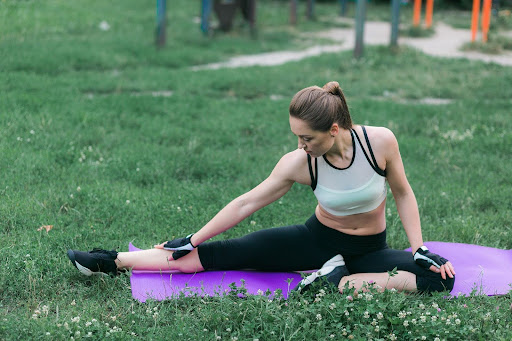
- 20-60 seconds of vigorous “exercise snacks” like stair sprints or fast squats, repeated several times a day
So, does this “fragmented” movement actually work, or is it just a nice idea?
The consensus group pulled together 27 systematic reviews and 135 individual studies. The key findings are surprisingly strong:
- Breaking up sitting with SBAE improves more than 10 biomarkers of endocrine, cardiovascular, and brain health (e.g. glucose, triglycerides, vascular function, cognitive markers).
- For acute blood sugar control, regular short bouts across the day often beat a single continuous workout of the same total duration.
- Over about 11 weeks, SBAE can improve VO₂peak, resting blood pressure, body composition, and metabolic health, and may be more effective than continuous exercise for long-term glycemic control and fat loss in some settings.
- Adherence is excellent: completion rates around 95%, with low dropout and high adherence even without supervision (≈85%).
In other words, people actually stick to this way of moving. From a coaching and nutrition perspective, that’s gold.
How Does This Help Real People?

From GPNi®’s perspective, SBAE is not just an exercise trend. It’s a framework that we can plug into different lifestyles and goals always in tandem with nutrition.
Let’s walk through four common scenarios:
1. Busy Adults: Using SBAE as “Carb and Sitting Management”
For most office workers, the bottleneck isn’t a lack of gym membership; it’s hours of unbroken sitting plus large, carb-heavy meals.
We now have solid evidence that:
- Walking or light exercise after meals lowers postprandial glucose more than the same exercise done before eating.
In a recent randomized trial, just 10 minutes of walking immediately after a glucose drink reduced average and peak blood glucose more effectively than a traditional 30-minute walk starting 30 minutes later.
Earlier work in people with type 2 diabetes showed that 10 minutes of walking after each main meal beat a single 30-minute walk at any time of day for overall daily glycemic control.
Put simply: small walks, timed well, can hit blood sugar harder than one big session at a random time.
How we’d use this at GPNi®:
For generally healthy, sedentary adults:
- Pick the 2-3 most carb-heavy meals of your day.
- Within 10-20 minutes after finishing, walk for 5-10 minutes at a pace where you can still talk, but not sing.
- If you sit long hours, add 2-3 minutes of walking or simple movements (marching in place, calf raises, air squats) every 30-60 minutes.
Nutritionally, SBAE is not a license to ignore food quality. It’s a way to help your body “process” the carbs and long sitting you already have. We still encourage:
- Plenty of vegetables and fruit (aim for your “colourful plate”)
- Mostly high-fibre starches (oats, whole grains, potatoes, legumes)
- Regular protein across the day
- Mostly unsaturated fats and plenty of water
The walking helps your metabolism; the diet gives it something worthwhile to work with.
2. Fat-Loss Goals: Turning SBAE into Extra NEAT

The consensus paper reports that roughly 11 weeks of SBAE, even without aggressive diet changes, can produce small-to-moderate reductions in body fat, BMI, waist circumference, and improve cardiometabolic markers.
The mechanism is familiar to sports nutritionists: NEAT (Non-Exercise Activity Thermogenesis). Tiny bouts of movement don’t burn huge calories each time, but:
- They add up across the day.
- They break up long sitting, which independently affects metabolic health.
For someone in a fat-loss phase, SBAE is a low-stress way to “nudge” daily expenditure up without turning every day into a full training day.
GPNi® coaching emphasis:
- Use SBAE to raise baseline activity:
- Combine this with a modest energy deficit, not an extreme crash diet.
- Keep protein high (around 1.6-2.2 g/kg/day for active people), with plenty of fibre to support fullness and blood sugar stability.
SBAE is the “background movement soundtrack” to your fat-loss phase. The calorie gap still comes from smart nutrition.
3. Regular Exercisers: Layering “Exercise Snacks” onto a Training Plan
Some people already have structured training 3-5 weekly sessions of running, strength, or sport but still spend most work hours sitting. For them, SBAE is less about getting any exercise at all and more about fine-tuning the metabolic environment between sessions.
The consensus paper groups several patterns under SBAE, including what many coaches now call “exercise snacks”: very short (often ≤1 minute), relatively vigorous efforts sprinkled through the day.
Think:
- 20-60 seconds of fast stair climbing
- A quick set of jump squats, lunges or brisk shadow boxing
- Short shuttle runs in a hallway or courtyard
Metabolically, these little “spikes” can:
- Challenge the cardiovascular system
- Boost glucose uptake in working muscles
- Lightly stimulate neuromuscular systems you might otherwise only hit in one big session
From a GPNi® programming lens:
- Treat exercise snacks as part of the weekly training load, not a free bonus.
- Place them a bit closer to meals (especially carb-containing ones), so there’s fuel available.
- Maintain steady protein timing (e.g. 20-40 g every 3-4 hours) so the cumulative stimulus from main sessions + snacks is supported by amino acid availability.
Done well, SBAE here behaves like micro-intervals embedded into daily life.
4. High-Training-Load Athletes: Use SBAE, Avoid REDs
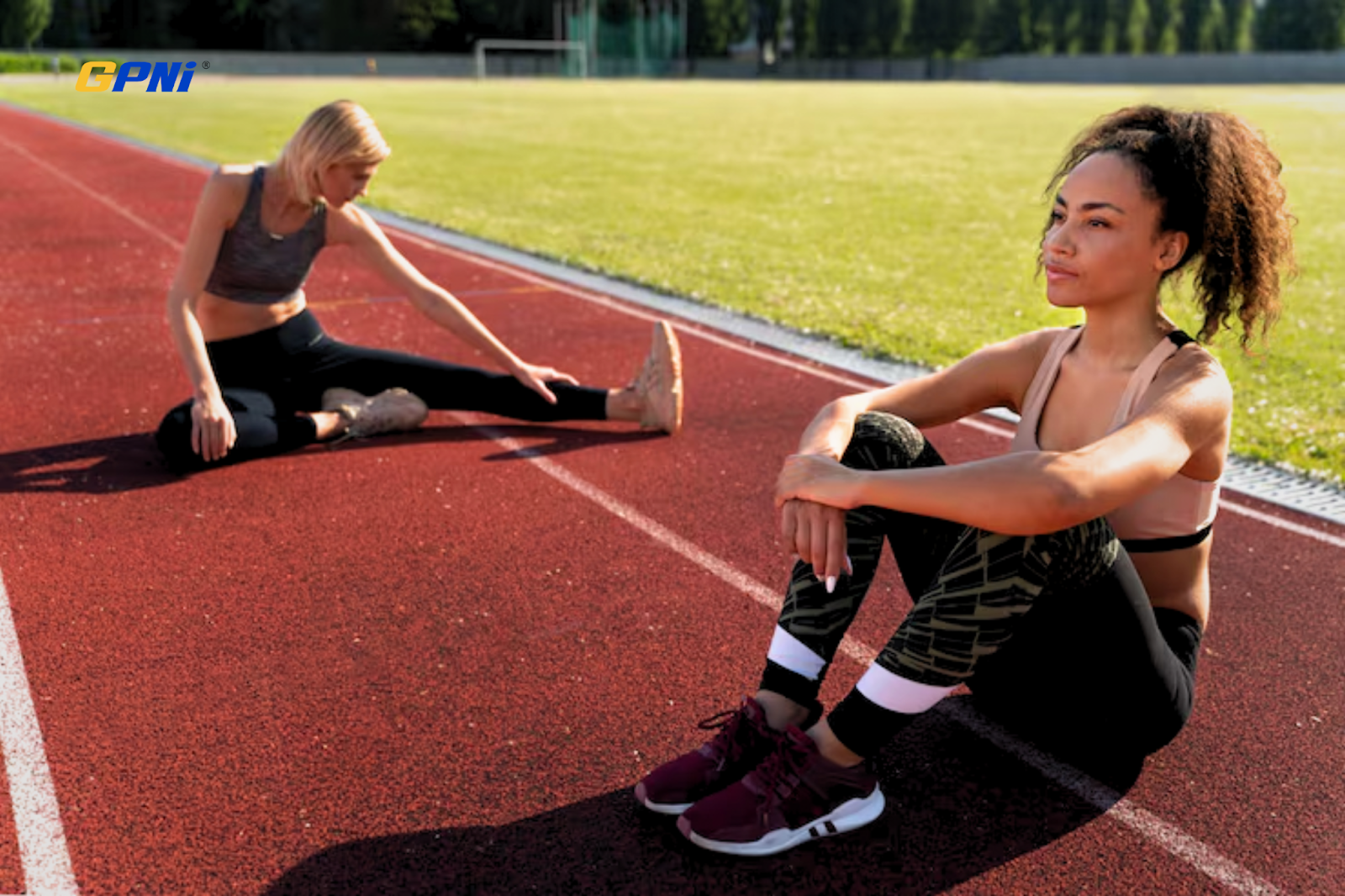
For athletes and heavy exercisers, the temptation is to think:
“Great. I’ll just add SBAE on top of everything else.”
That’s where GPNi® starts raising an eyebrow.
The consensus shows SBAE is safe across many populations and feasible in the real world. But if someone already trains 2-3 hours per day, adding several extra bouts can easily add 200-500+ kcal of unplanned expenditure.
If energy intake doesn’t rise to match, you drift toward low energy availability (LEA) and, over time, Relative Energy Deficiency in Sport (REDs) with consequences for hormones, recovery, immune function, and performance.
So our message to high-level athletes and their support teams would be:
- Yes, SBAE can help counter long periods of sitting during travel, meetings, or study.
- But every extra bout must be counted in the energy and recovery budget.
What This Consensus Changes for Coaches and Students
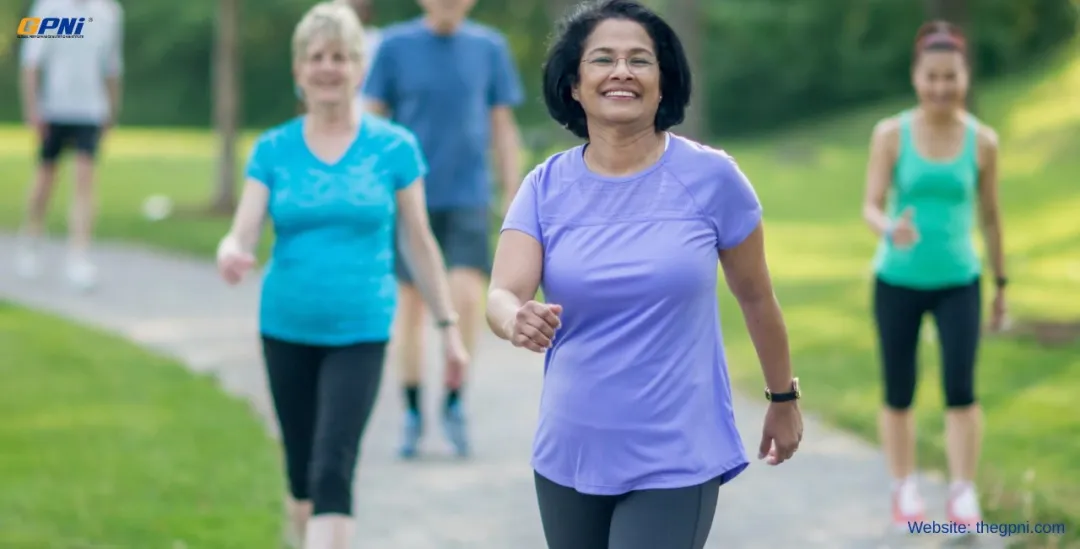
The spirit of the SBAE consensus matches what many practitioners have felt for years: movement doesn’t have to be perfect to be powerful.
From GPNi®’s perspective, a few key shifts stand out:
- “All-or-nothing” thinking is outdated.
- Short, well-timed bouts absolutely count for cardiometabolic health, even if life doesn’t allow a perfect 60-minute session.
- Timing with food matters. Short walks or light exercise soon after meals can reshape the postprandial glucose profile more than the same effort done hours away from eating.
- Nutrition and SBAE live in the same plan.
For many people, this is the most realistic starting point. Asking a deconditioned, time-poor person for 45 minutes of daily training can feel impossible. Asking for 5-10 minute chunks, anchored to regular events like meals or work breaks, is far more doable and now strongly evidence-based.
At GPNi®, we see SBAE not as a downgrade from “real training,” but as a different format of training stimulus, especially powerful when paired with thoughtful nutrition coaching.
References
- Yin M, Li Y, Aziz AR, et al. Short bouts of accumulated exercise: Review and consensus statement on definition, efficacy, feasibility, practical applications, and future directions. Journal of Sport and Health Science. 2025; doi:10.1016/j.jshs.2025.101088.
- Hashimoto K, Dora K, Murakami Y, et al. Positive impact of a 10-min walk immediately after glucose intake on postprandial glucose levels. Scientific Reports. 2025;15:22662.
- Nygaard H, Tomten SE, Høstmark AT, et al. The Effects of Postprandial Walking on the Glucose Response after Meals with Different Characteristics. Nutrients. 2022;14(5):1080.
- Bellini A, Scotto di Palumbo A, Nicolò A, Bazzucchi I, Sacchetti M. Exercise Prescription for Postprandial Glycemic Management. Nutrients. 2024;16(8):1170.
- Röhling M, Herder C, Roden M, et al. After Dinner Rest a While, After Supper Walk a Mile? A Systematic Review with Meta-analysis on the Acute Postprandial Glycemic Response to Exercise Before and After Meal Ingestion. Sports Medicine (2023) 53:807–836.










 Instagram
 Facebook
 YouTube
 Twitter
 Linkedin