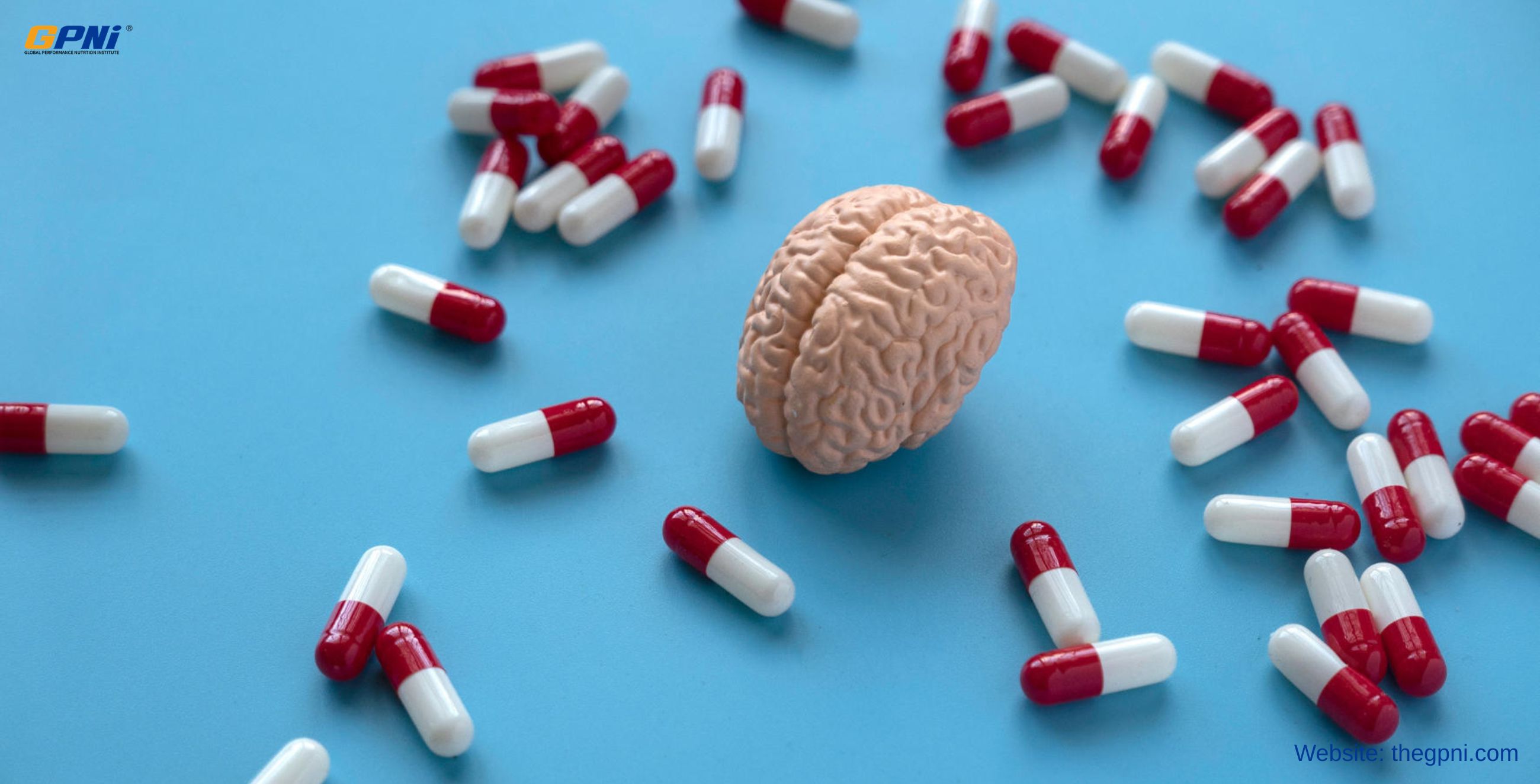
Cognitive performance and brain health are becoming increasingly important topics in sports nutrition.
In the past, performance nutrition focused mostly on energy availability, muscle recovery, hydration, and body composition. Today, the conversation is expanding. Athletes, gamers, students, tactical professionals, and working adults are all looking for ways to stay focused, make better decisions, maintain mental energy, and perform under pressure.
This is where nootropics have entered the spotlight.

At an ISSN conference presentation, Megan Leonard, PhD(c), MS, TSAC-F, from the Texas A&M University Exercise & Sport Nutrition Laboratory, discussed the growing role of nootropics in cognitive performance. Her key message was clear: cognitive performance is multidimensional, and nootropics may have potential value — but they should be viewed as supportive tools, not shortcuts that replace sleep, nutrition, exercise, and mental health.
Cognitive Performance Is More Than “Better Memory”
When people hear “brain performance,” they often think only of memory. But cognitive function is much broader.
According to Leonard’s presentation, cognitive function includes multiple domains, such as:
- sensation and perception
- attention
- psychomotor ability
- processing speed
- memory
- logic and reasoning
- problem solving
- language and verbal ability
In other words, improving cognitive performance is not simply about remembering more information. It involves a complex system of attention, speed, decision-making, learning, emotional control, and mental endurance.
This matters because cognition naturally changes across the lifespan. Leonard noted that cognitive decline may begin between the ages of 45 and 55, with age-related changes in synapses and receptors affecting memory, learning, cognitive flexibility, attention, and executive function.
That means cognitive health is not only a concern for older adults. For younger people, it may influence learning efficiency, work productivity, concentration, and decision-making under stress. For older adults, it becomes increasingly relevant to independence, quality of life, and healthy aging.
The Four Foundations of Cognitive Health
Before discussing nootropics, it is important to start with the basics.
Leonard summarized four major external factors that influence cognitive function:
Sleep
Good sleep quality, typically around 7–9 hours per night, supports mood, energy, and long-term memory recall.
Exercise
Physical activity can improve markers of memory, learning, stress management, and decision-making.
Nutrition
A healthy diet can support cognitive function and may help reduce the risk of cognitive impairment.
Mental health
Mindfulness, social connection, and stress management can support memory, language, and healthy cognitive aging.
This point is essential: no supplement can fully compensate for poor sleep, an unbalanced diet, lack of movement, chronic stress, or poor mental health.
Nootropics may help optimize performance, but they do not replace the foundation.
What Are Nootropics?
Nootropics are often described as substances that may support certain aspects of brain function, including cognition, memory, and learning.
Leonard’s presentation referenced the classic definition from Giurgea, describing nootropics as psychoactive synthetic drugs or natural ingredients that can improve certain aspects of brain function by enhancing cognition, memory, and learning.
They can generally be divided into two categories:
Synthetic nootropics
These are created in laboratory settings and may include drug compounds such as amphetamine-type stimulants or methylphenidate. These are not typical dietary supplements and may be prescription-only, controlled, or prohibited in certain contexts.
Natural nootropics
These are derived from plants, herbs, or naturally occurring compounds. Examples discussed in the presentation include ingredients such as ginkgo biloba and ginseng.
For the sports nutrition and functional nutrition industries, the strongest interest is usually in natural, food-derived, or supplement-compatible ingredients that may support attention, fatigue resistance, mood, or executive function.
For competitive athletes, product safety and compliance are especially important. Any supplement should be reviewed for ingredient transparency, quality testing, and anti-doping suitability before use.
How Nootropics May Work
Nootropics are not all the same. Different ingredients may act through different mechanisms.
Leonard summarized several possible mechanisms of action:
Anti-inflammatory support
Some compounds may help protect the brain from certain stressors and support neuronal health.
Antioxidant activity
Some ingredients may help combat oxidative stress by scavenging or neutralizing free radicals.
Cerebral blood flow
Some compounds may support vasodilation, helping increase oxygen and nutrient delivery to the brain.
Energy bioavailability
Some may help maintain brain energy availability, especially under psychological stress or fatigue.
Neurotransmitter signaling
Certain ingredients may influence dopamine release, choline uptake, acetylcholine modulation, or other neurotransmitter-related pathways.
These mechanisms help explain why nootropics are being studied not only for general brain health, but also for performance settings that require focus, speed, precision, and sustained decision-making.
From Esports to Sports Performance
1. Esports
Esports is one of the clearest examples of why cognitive performance matters.
Competitive gaming often requires sustained attention for long periods. Tournaments may last for hours, and players must maintain reaction speed, decision-making accuracy, visual tracking, and emotional control under pressure.
Because of this, caffeine and stimulant-based products have become popular among gamers. However, excessive caffeine intake can disrupt sleep and mood, increase nervousness, and may create risks when used at high doses or too frequently.
This is why the future of nootropics in esports may not simply be “stronger stimulation.” Instead, the more interesting direction is smarter cognitive support — helping players maintain focus, manage fatigue, and support executive function without relying excessively on high-stimulant formulas.
2. Traditional Sports
Physical performance is not only physical.
In many sports, success depends not just on strength, power, endurance, or speed, but also on planning, attention, self-control, working memory, and decision-making.
Leonard’s presentation highlighted that executive function can be a predictor of performance outcomes and may also be linked with fatigue.
This is especially relevant in sports where athletes must process information quickly and respond accurately, such as:
- soccer
- basketball
- combat sports
- racket sports
- motorsports
- team sports
- skill-based events
In the future, performance nutrition may expand beyond fueling and recovery to include cognitive variables such as decision quality, attentional stability, perceived fatigue, reaction speed, and neurocognitive efficiency.
3. Tactical Professionals
Tactical professionals — including military personnel, law enforcement, and firefighters — often operate in highly demanding environments.
Their work may involve sleep deprivation, energy deficit, physical fatigue, psychological stress, and high-stakes decision-making. In these settings, cognitive performance is not just about productivity. It may directly influence safety, mission success, and risk management.
Leonard noted that nootropics may be explored as a potential alternative to excessive caffeine consumption and may help support faster, more efficient decision-making in tactical populations.
This is an area where more research is still needed, but the application is clear: when mental performance matters under pressure, cognitive nutrition becomes highly relevant.
Nootropics Are Moving Into the Mainstream
Nootropics are no longer limited to research labs or niche users.
They are already used by working adults and are especially common among college students. Leonard’s presentation also noted growing interest in areas such as aviation and professional racing, with global nootropic sales projected to reach approximately $11.7 billion by 2030.
At the same time, the field still needs more high-quality research. Many ingredients are promising, but not every “focus” product is well supported by evidence. Not every formula is safe, transparent, or appropriate for long-term use.
This is why a responsible approach matters.
GPNi Perspective: Support the Brain, Do Not Chase Shortcuts
Nootropics may become one of the next major growth areas in performance nutrition. The demand is real: esports athletes want sustained focus, traditional athletes want sharper decision-making, tactical professionals need mental resilience, and everyday consumers want better productivity.
But the hierarchy should not be reversed.
Sleep, exercise, nutrition, and mental health remain the foundation of cognitive performance. Nootropics may support brain blood flow, antioxidant defense, neurotransmitter signaling, energy availability, and fatigue resistance — but they do not make someone “smarter” overnight.
A more realistic way to view nootropics is this:
They may help you perform more consistently at your current level.
They may help support focus when the foundation is already in place.
They may reduce reliance on excessive stimulants when used appropriately.
They may become a useful part of performance nutrition when supported by evidence.
For esports, sports performance, tactical work, study, and the workplace, the priority should be natural, safe, clinically supported ingredients — not high-dose stimulants or unclear proprietary blends.
The future of cognitive nutrition is exciting. But like every area of sports nutrition, it should be guided by evidence, context, and responsible application.
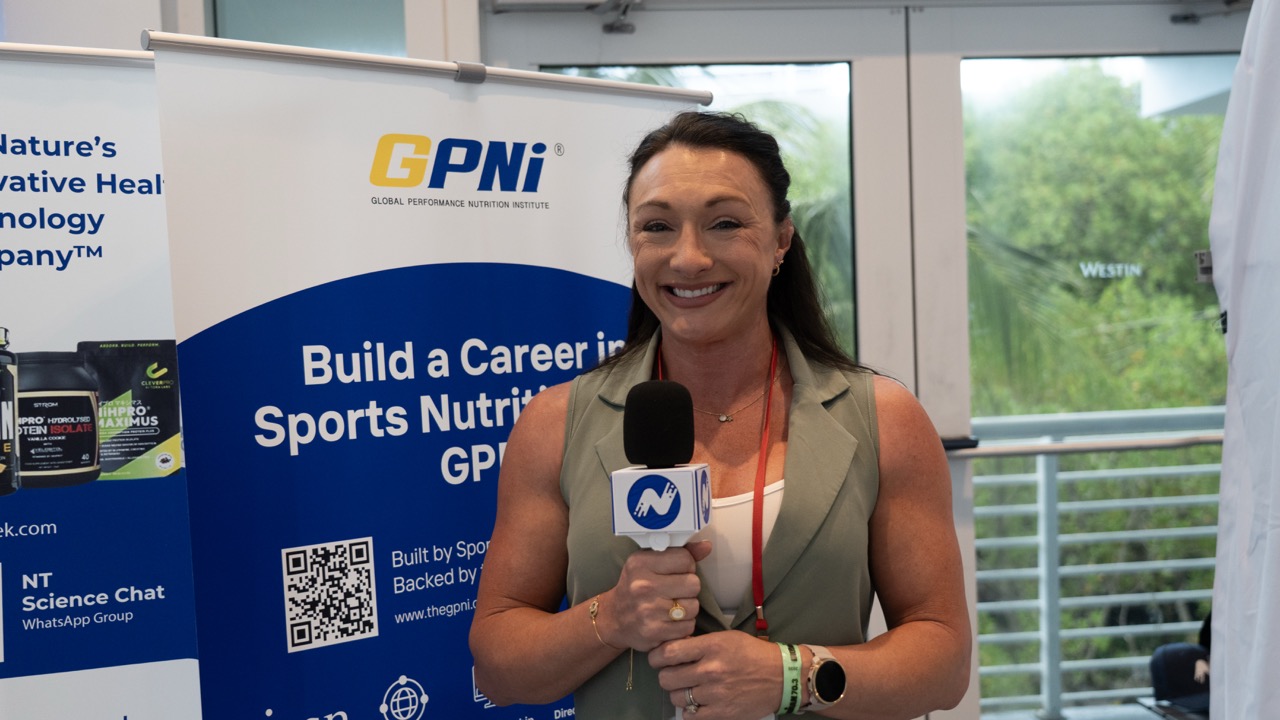
As an official education partner of the ISSN, GPNi provides members with access to the original transcript of this presentation, along with a growing library of ISSN conference materials and expert-led educational content.














 Instagram
 Facebook
 YouTube
 Twitter
 Linkedin