“Is the exam difficult?”
“What is the pass rate?”
“How much time do I really need to prepare?”
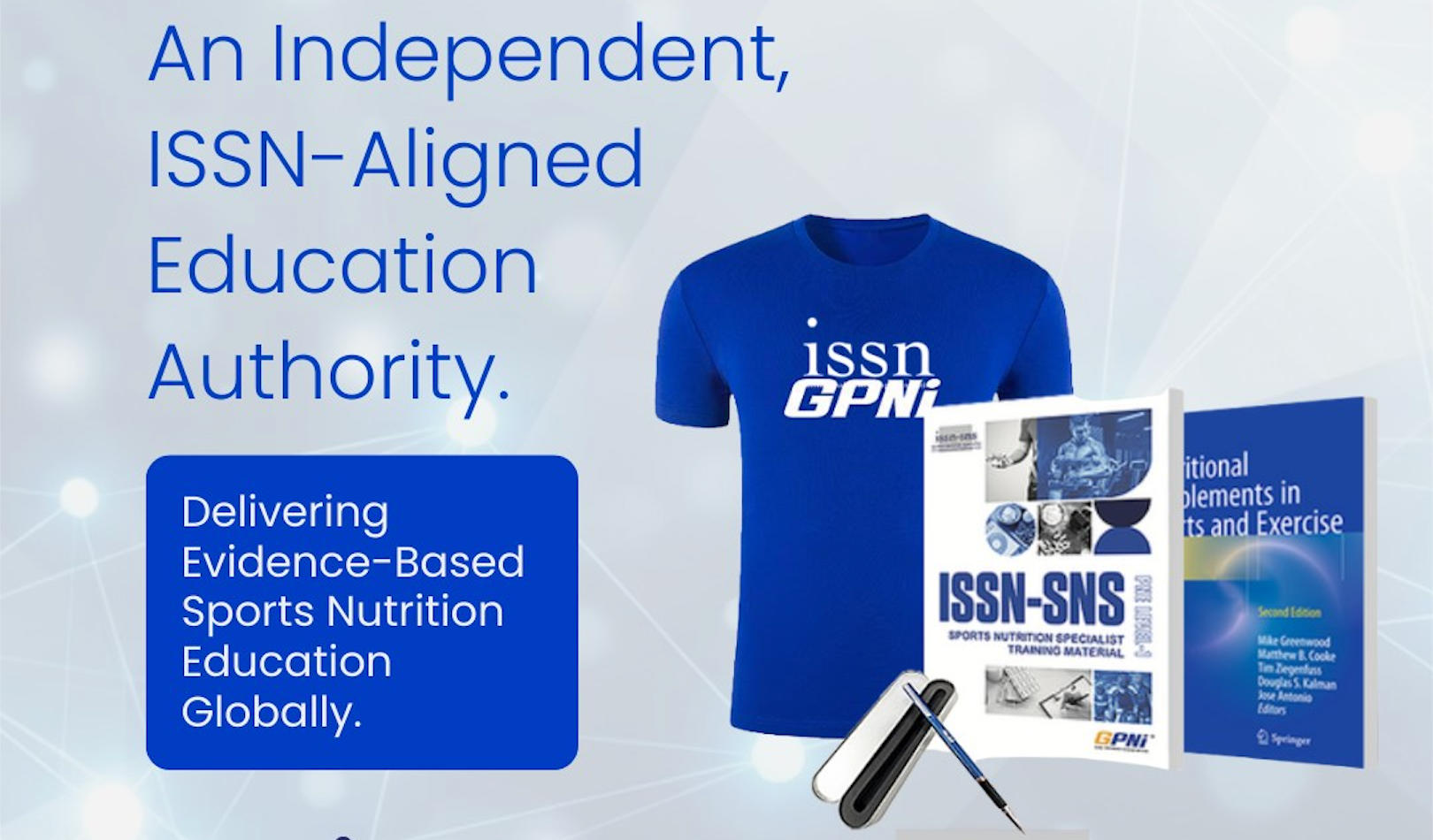
These are some of the most common questions from learners preparing for the ISSN-SNS (Sports Nutrition Specialist) and CISSN (Certified Sports Nutritionist) certifications.
And the concern is understandable. Many learners feel overwhelmed when they first enter the field of sports nutrition. There are professional terms to remember, metabolic pathways to understand, supplement dosages to compare, and practical strategies to apply across different sports and clients.
But in many cases, the problem is not a lack of ability or even a lack of time. The real issue is the learning method.
Preparing for SNS or CISSN is not simply about reading more, memorizing more, or doing more practice questions. It is about learning sports nutrition in a way that helps you understand, apply, and communicate the science.
Here are several practical strategies to make your certification preparation more efficient.
Study to Apply, Not Just to Pass the Exam
Many learners begin their course by diving straight into the textbooks, lectures, and study materials. But sports nutrition is not a subject that should be learned through memorization alone.
The goal is not just to remember professional terminology. The goal is to turn scientific knowledge into practical nutrition strategies that can support real people in real situations.
A sports nutrition professional should be able to explain how the body uses energy, how nutrients support performance and recovery, and how supplementation may fit into a training plan. More importantly, they should be able to explain these concepts in language that a client can understand.
True professionalism is not about creating distance through complex terminology. It is about using clear, accurate, evidence-based communication to solve problems.
Instead of only asking, “Will this be on the exam?” try asking:
- How would I use this with a client?
- Which population does this apply to?
- What dosage, timing, or context matters?
- Are there any contraindications or limitations?
- How can I explain this in one simple sentence?
For example, when studying a supplement, do not only memorize the name. Summarize it into practical points: mechanism, dosage, timing, target population, possible side effects, and evidence quality.
Then try explaining it out loud in your own words. That moment — when you turn technical knowledge into a clear explanation — is where real professional learning begins.
Break the Content Into Clear Learning Blocks
The ISSN-SNS course includes eight major modules covering nutrition fundamentals, the skeletal muscle system, dietary strategies, dietary supplements, hydration, and sport-specific nutrition strategies.
The CISSN certification goes even deeper, with nine major modules that also include exercise physiology and sports medicine.
With so much material to cover, efficient learning does not mean reading page by page without direction. A better approach is to build the framework first, then fill in the details.
You can organize the content into learning blocks such as:
- Dietary supplements
- Dietary strategies
- Energy metabolism
- Exercise physiology
- Hydration and recovery
- Sport-specific application
- Client assessment and practical programming
Once the framework is clear, you can place each topic into the right category and connect related ideas together.
For example, when studying supplements, focus first on common and well-supported ingredients such as caffeine, creatine, and beta-alanine. Learn their evidence base, dosage strategies, timing, benefits, limitations, and possible side effects.
This approach is not only useful for passing the exam. It also helps you provide better evidence-based recommendations in practice.
Importantly, dividing content into blocks does not mean separating knowledge into isolated pieces. The purpose is to connect them more effectively.
A dietary strategy should be understood together with its metabolic background. A supplement should be considered in relation to the sport, training goal, and athlete profile. A physiological mechanism should help you explain why a certain nutrition strategy may or may not work.
Over time, your knowledge becomes a connected system:
supplements × diet × metabolism × physiology × practical application
That is the type of knowledge structure that supports both exam success and real-world professional practice.

Use Learning Tools to Make Small Study Sessions More Effective
You do not need to wait for long, perfect study sessions to make progress. Small blocks of time can be highly effective when used correctly.
One of the most useful tools is the flashcard.
Create simple cards for difficult concepts. Write the question on one side and the answer, explanation, and source on the other.
For example:
Front:
What is a common creatine loading protocol?
Back:
Approximately 0.3 g/kg/day, often around 20 g/day, for 5–7 days, followed by a maintenance dose. Source: ISSN position stand.
Reviewing flashcards for 10–15 minutes per day can help you reinforce difficult concepts during short breaks, commutes, or between client sessions.
You can create your own flashcards using apps or online platforms. Some learners also use publicly available decks as a starting point, but building your own cards is often more effective because the process itself helps you learn.
Another useful method is the “linked memory” approach.
For each topic, organize the information into five lines:
- Concept
- Mechanism
- Who it applies to
- Dosage or timing
- Key considerations
For example, a supplement topic could be summarized as:
- What is it?
- How does it work?
- Who may benefit?
- How and when is it used?
- What should be watched carefully?
This method helps you move from memorization to application. It also turns study notes into future client communication tools.
Mind maps, knowledge trees, and structured summaries can also help. The key is not the tool itself, but whether the tool helps you connect concepts and identify gaps in your understanding.
After finishing a section, take time to review and connect the content. Ask yourself what this topic links to, where it fits in the bigger framework, and whether you can explain it without reading from your notes.
Make Full Use of the Course Resources
After enrollment, learners receive study materials such as textbooks, lecture notes, online PDFs, and video lessons. These resources are not just for passive reading or watching. They should become part of your active learning system.
When you see an important chart, metabolic pathway, dosage table, or summary diagram, save it for later review. Visual materials can be especially useful when learning physiology, metabolism, and supplement mechanisms.
When watching course videos, study actively. Pause at key points. Write down the main idea. Turn it into a flashcard or a short summary. Then explain it back in your own words.
A simple but powerful method is:
Pause → Write → Explain
Pause when an important concept appears.
Write it in a structured format.
Explain it as if you were teaching a client or colleague.
That is often when memory becomes much stronger.
The course quizzes should also be treated as learning tools, not just exam simulations. Their purpose is to help you identify which concepts are not yet fully understood.
After each quiz, review your incorrect answers carefully. Do not simply memorize the correct option. Instead, ask which knowledge point the question was testing, then add that concept back into your notes, flashcards, or review plan.
You can also practice under timed conditions. For example, if you are answering 20 questions, give yourself 20 minutes. This helps you build exam rhythm and reduce anxiety during the actual certification exam.
Finally, make use of learner support and instructor communication whenever available. Studying for a certification does not need to feel isolating. Learning with others can help you stay accountable, exchange study strategies, and clarify difficult concepts more quickly.

Certification Preparation Is Professional Development
Many people think preparing for an exam means going back to “student mode.” But SNS and CISSN preparation should be viewed differently.
You are not simply studying to pass a test. You are building professional credibility.
Every concept you understand more clearly, every mechanism you can explain more simply, and every strategy you can apply more accurately becomes part of your professional foundation.
Learning sports nutrition is similar to training. You do not need to master everything in one day. What matters is consistent progress.
Study with structure.
Review with purpose.
Apply what you learn.
Build your confidence one step at a time.
The goal is not just to pass the certification exam.
The goal is to become the kind of sports nutrition professional who can think clearly, communicate effectively, and make evidence-based decisions in the real world.











 Instagram
 Facebook
 YouTube
 Twitter
 Linkedin