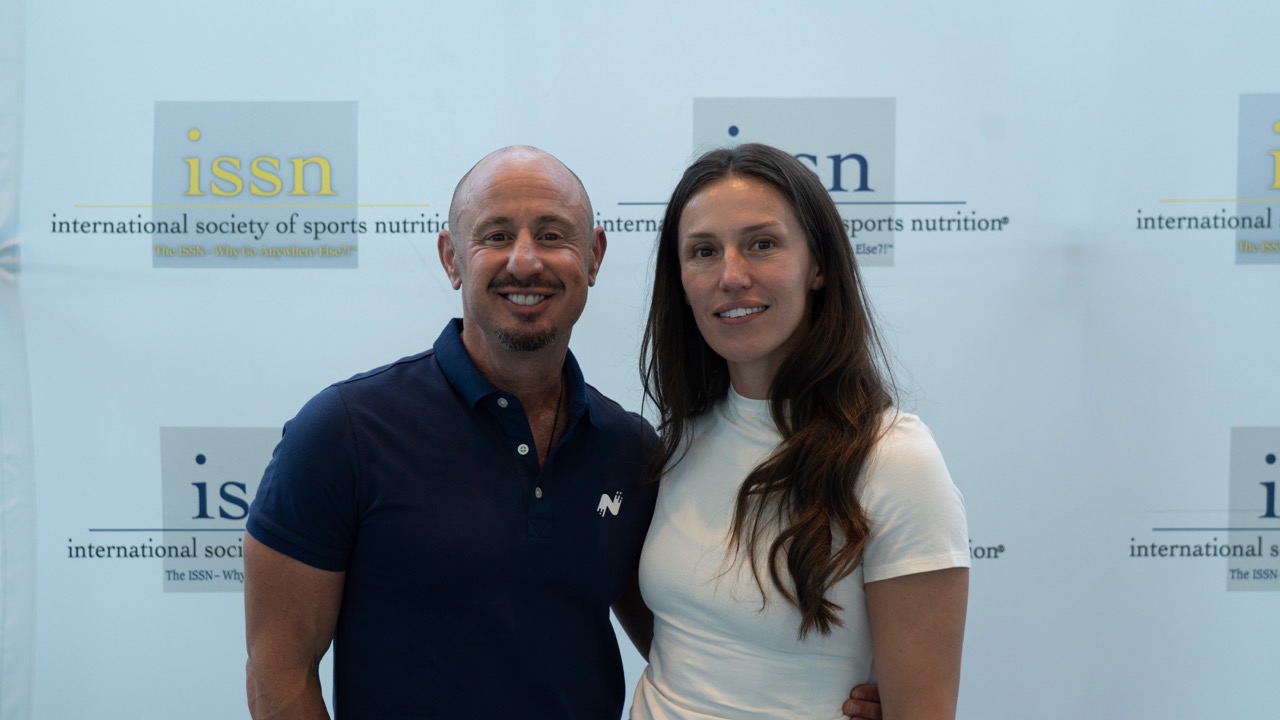
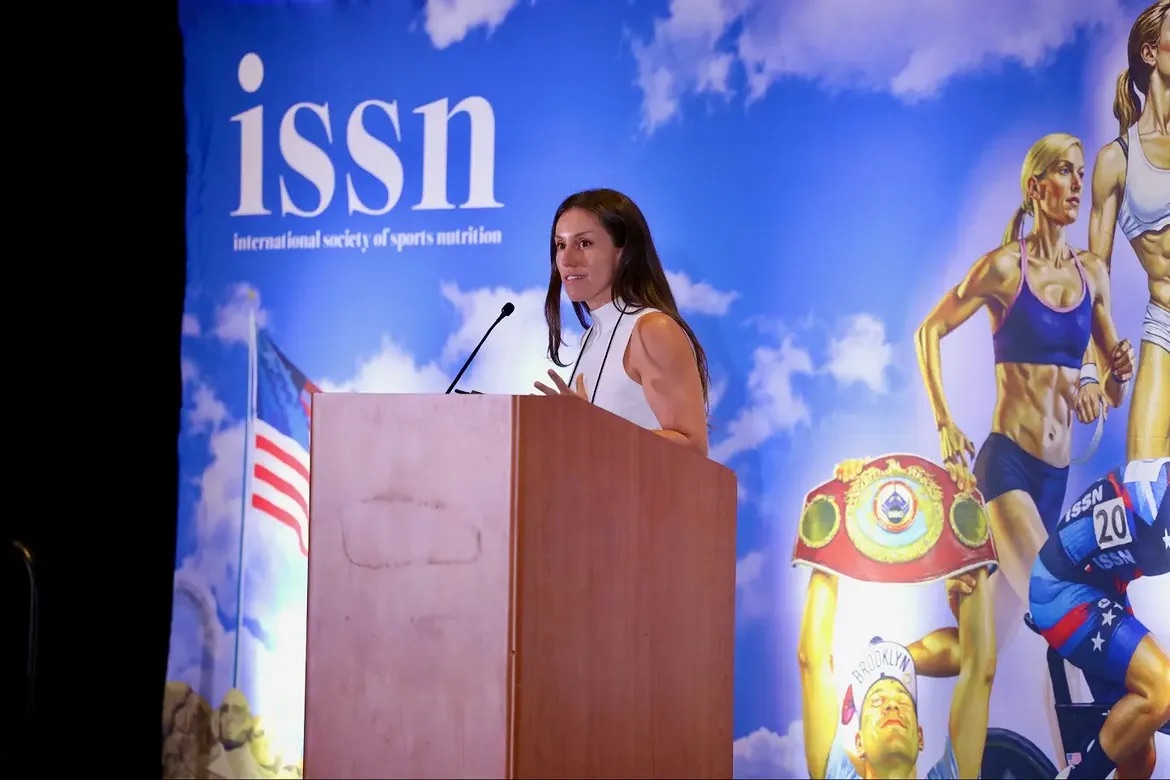
Recorded at the ISSN 2026 Annual Conference, this conversation captures Dr. Cassie Evans at a full-circle moment in her career.
“Just ask: Can I help? Can I shadow you? Can I learn from you?”
— Dr. Cassie Evans
Dr. Cassie Evans
- PhD in Human and Sport Performance
- Registered Dietitian and ISSN Certified Sports Nutritionist (CISSN)
- Background in exercise science, applied nutrition, research, and education
- Experience supporting clinical trials and scientific work in biotechnology
- Research interests include ergogenic aids, body composition, dietary behaviour, supplementation, and performance
At her first ISSN conference in 2018, Cassie Evans stood beside a student research poster with no idea what to expect. She was nervous enough to remember the feeling clearly.
Eight years later, she returned to the same conference as a speaker.
That progression sounds dramatic when compressed into two sentences. In reality, it was built through education, research, practical experience, professional certification, and years of returning to the same community. Cassie's journey is a useful reminder that careers often make sense only when we look backwards. While we are living them, they grow one opportunity at a time.
Building the Bridge Between Exercise and Nutrition
Cassie began with a bachelor's degree in Exercise Science. By the end of the programme, she felt she still did not understand enough about nutrition, so she pursued the Registered Dietitian route.
She is grateful for the combination. Exercise science gave her a strong grounding in training, physiology, and performance demands. Dietetics added deeper nutrition education and the professional preparation required for applied and clinical work.
That bridge mattered because sports nutrition sits between disciplines. An athlete's needs cannot be understood fully through food alone or training alone. The practitioner has to understand how the two interact, where their own scope begins and ends, and when another professional needs to be involved.
Cassie's decision also offers a useful way to think about further education. The next qualification should not simply repeat what you already know. It should close a real gap in the decisions you are able to make.
Why the First Poster Matters
Cassie attended her first ISSN conference because Dr. Jose Antonio, then one of her professors, encouraged her to present a poster. She did not feel ready. She came anyway.
A student poster can appear modest beside a keynote lecture or a published paper, but it teaches skills that last: framing a research question, explaining methods, defending an interpretation, responding to feedback, and discussing the work with people who know the subject well.
It also changes a student's position in the room. Presenting turns someone from an observer into a participant. Cassie's first poster did not instantly determine her future, but it placed her inside a professional network where she could continue to learn. By returning year after year, she gradually became part of the community in which she had once felt like a nervous newcomer.
Staying Connected Helps You Stay Relevant
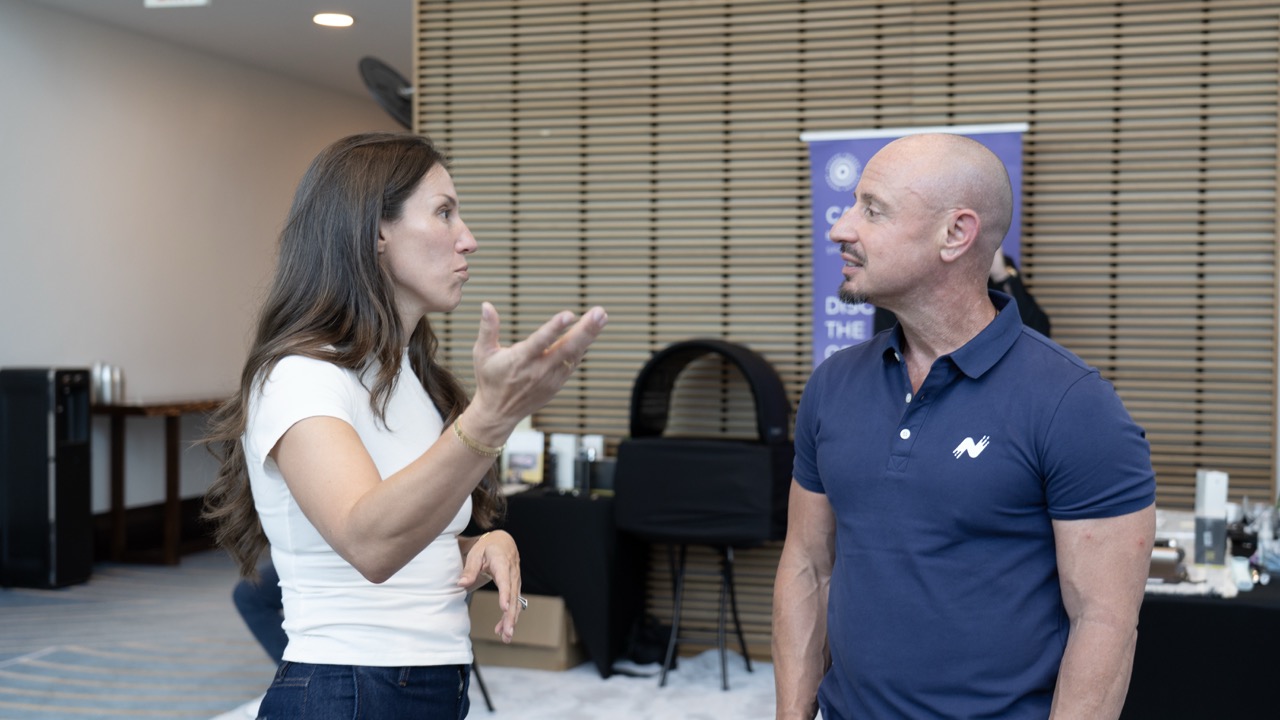
Cassie describes the ISSN as one of the places where she grew professionally and learned the most about sports nutrition. She continues to return for the research, the people, and the opportunity to understand where the wider field is moving.
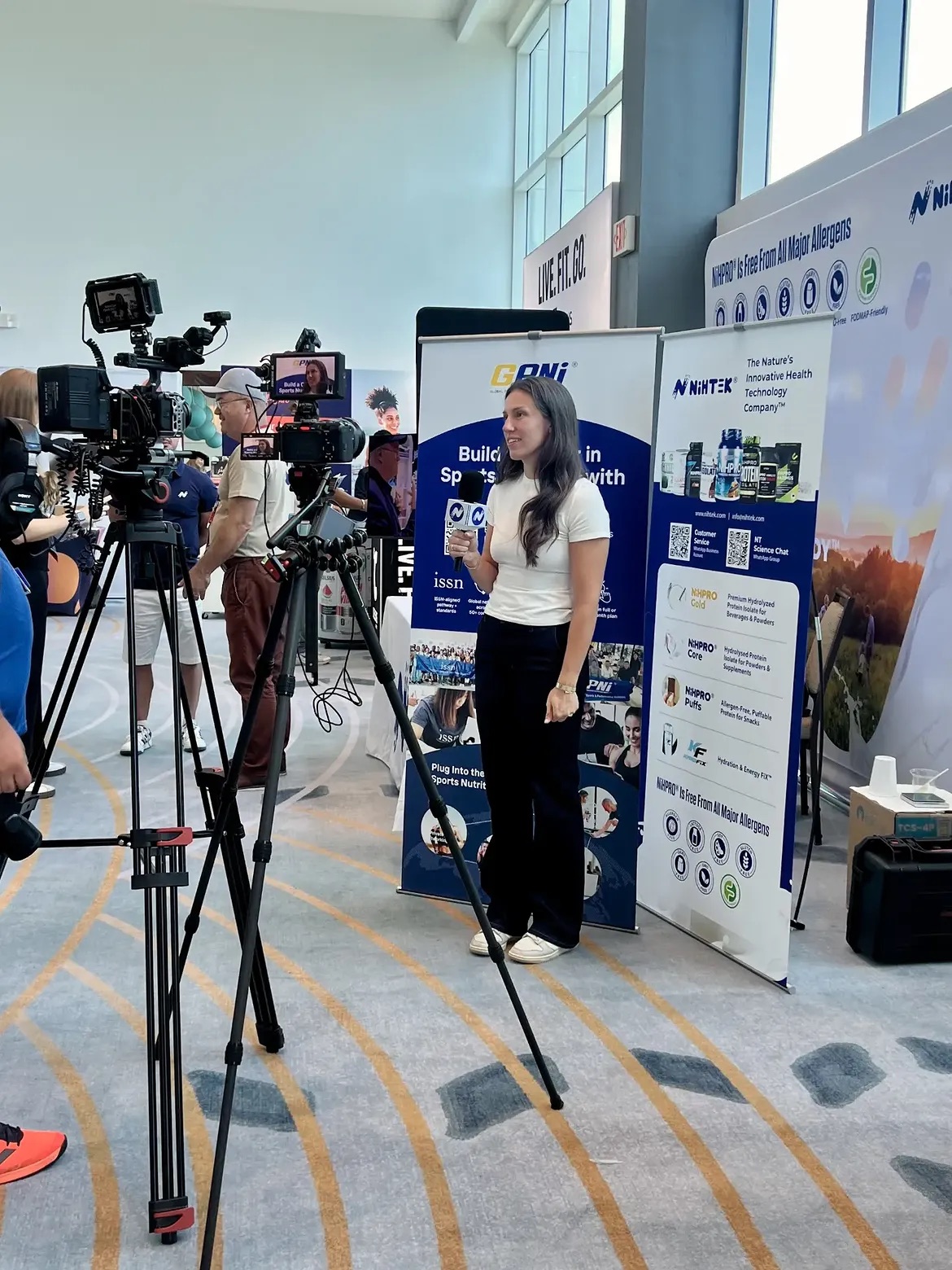
That matters because careers can change direction. A practitioner may move into research. A researcher may enter teaching, product development, clinical trials, scientific communication, or industry. Cassie's own work now includes supporting a biotechnology company from a scientific perspective and helping to run clinical trials.
The ability to move between settings depends partly on scientific literacy and partly on relationships. Professional communities expose people to expertise beyond their current role. They make unfamiliar forms of work easier to see - and therefore easier to pursue.
Do Not Reject Yourself Before You Ask
Cassie's advice to students is wonderfully uncomplicated: find people doing work that interests you, connect with them, and ask whether you can help, shadow, or learn.
Many students wait until they feel fully qualified before approaching someone. But supervised opportunities are one of the ways they become qualified. A respectful, specific request shows initiative and gives an experienced professional something concrete to respond to.
Not every question will lead to an opportunity. Silence guarantees that none can begin. Most people, Cassie says, are more willing to share than students expect.
A Question for You
You do not need to see the full path from the beginning. A first poster may eventually lead to a conference presentation. A brief introduction may become a research collaboration. The most useful next step is often smaller - and more available - than the final career you are trying to imagine.
Where are you in your own sports nutrition journey: studying, coaching, supporting athletes, researching, or considering your next qualification?
From Learning to the Profession
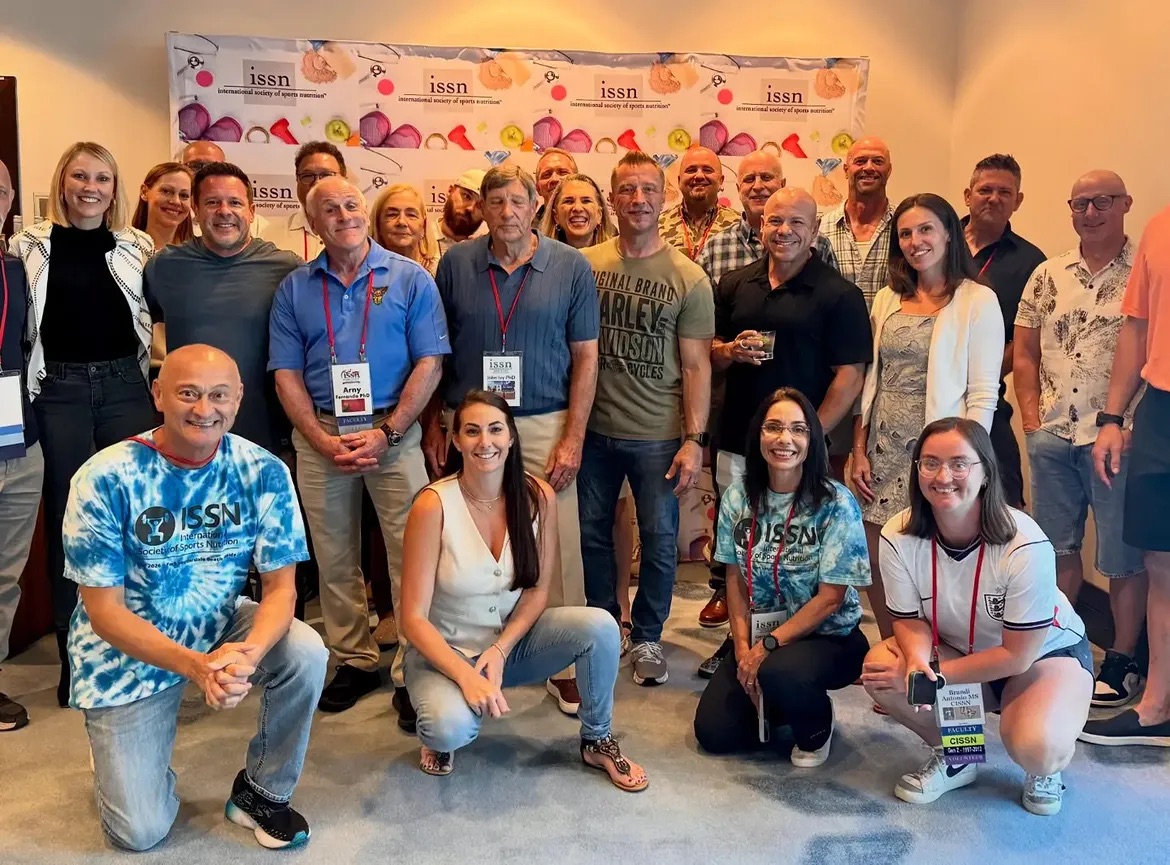
More conversations in the Global Voices in Sports Nutrition series will follow, featuring people whose careers have taken very different paths. Their common ground is that a career does not happen automatically after a certificate. Education gains value when it helps people enter real professional settings, learn from those doing the work, and find where they can contribute.
GPNi® aims to connect structured education and ISSN-aligned certification with the people, science, and professional community shaping the field.
Explore the pathways:
Follow Dr. Cassie Evans
- Instagram: cars0224
- Facebook: Cassie Carson Hiltwine
- YouTube: Sports Science Dudes










 Instagram
 Facebook
 YouTube
 Twitter
 Linkedin