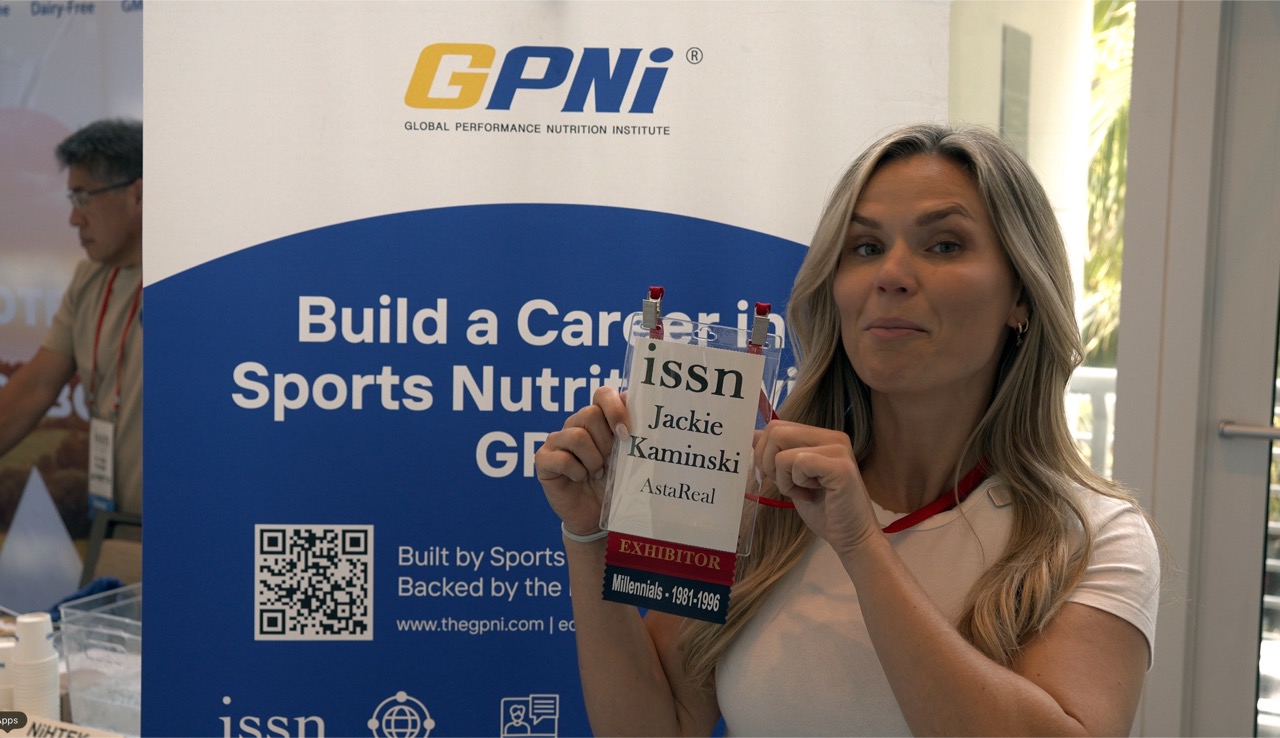
Recorded at the ISSN 2026 Annual Conference, this conversation looks back at the experiences that helped Jackie Kaminski turn an early interest in sport and nutrition into a specialist career in combat sports.
“You can be the smartest person in the room, but people still need to want to work with you.”
— Jackie Kaminski
Jackie Kaminski
- Registered and Licensed Dietitian
- Master's degree in Exercise Physiology and Sports Nutrition
- ISSN Certified Sports Nutritionist (CISSN)
- Founder of The Fight Nutritionist
- Performance nutritionist working with professional fighters and other high-performance athletes
Some careers begin with a job description. Jackie Kaminski's began with a problem she could not ignore.
Today, she is known throughout the combat sports world as The Fight Nutritionist. She works with professional fighters and high-performance athletes, helping them fuel training camps, manage body mass, preserve strength and lean tissue, recover effectively, and approach competition in a safer and better-prepared state.
The role looks clearly defined now. It was not waiting for her when she graduated. Jackie had to build it.
The Internship That Changed the Direction of Her Career
Jackie had wanted to work in sport from an early age. She grew up in gymnastics before moving into volleyball and other sports, and she noticed that eating better changed how she felt. In high school, hearing a physician discuss nutrition, vitamins, minerals, energy, and hormones helped turn that interest into a possible profession.
She studied nutrition, became a Registered Dietitian, and completed a Master's degree in Exercise Physiology and Sports Nutrition. While still in graduate school, she applied for an internship at the UFC Performance Institute in Las Vegas. Around 500 people applied. She was selected as one of the Institute's early sports nutrition interns.
The value of the experience went far beyond a strong name on her CV. It showed her what professional combat athletes actually needed. Fight nutrition is often reduced to weight cutting, but the real job is much broader. It includes supporting weeks of demanding training, maintaining performance while body mass changes, planning recovery, managing hydration, and helping an athlete arrive at the fight physically and mentally ready.
That experience revealed a genuine gap. After returning to South Florida, Jackie created The Fight Nutritionist and began building a practice around MMA, UFC, BKFC, and related combat sports. Her niche did not begin as a marketing exercise. It grew from understanding a population well enough to solve its problems.
Specialisation Is Earned in the Environment
Choosing a niche can make a practitioner easier to remember. It does not automatically make them credible.
Combat sports nutrition demands an understanding of training, physiology, body composition, hydration, recovery, supplementation, and the psychological pressure around making weight. It also requires the practitioner to understand the culture of the sport. Athletes need to know that the person advising them understands both the science and the reality of the training camp.
Jackie's career shows why practical exposure matters. A course can teach principles; the environment shows how those principles collide with schedules, preferences, coaches, travel, stress, and imperfect decisions. A specialty becomes real when knowledge repeatedly survives contact with practice.
The Career Skill Nobody Puts on the Certificate
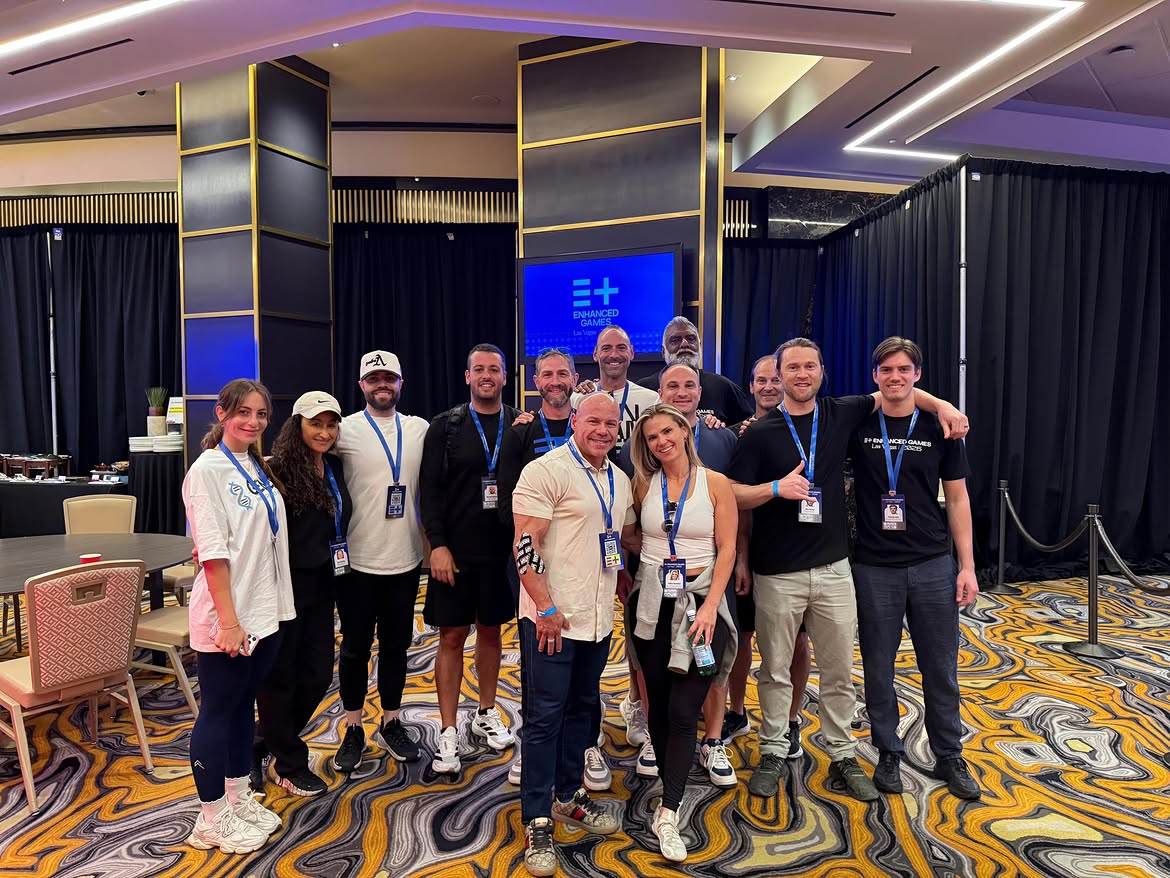
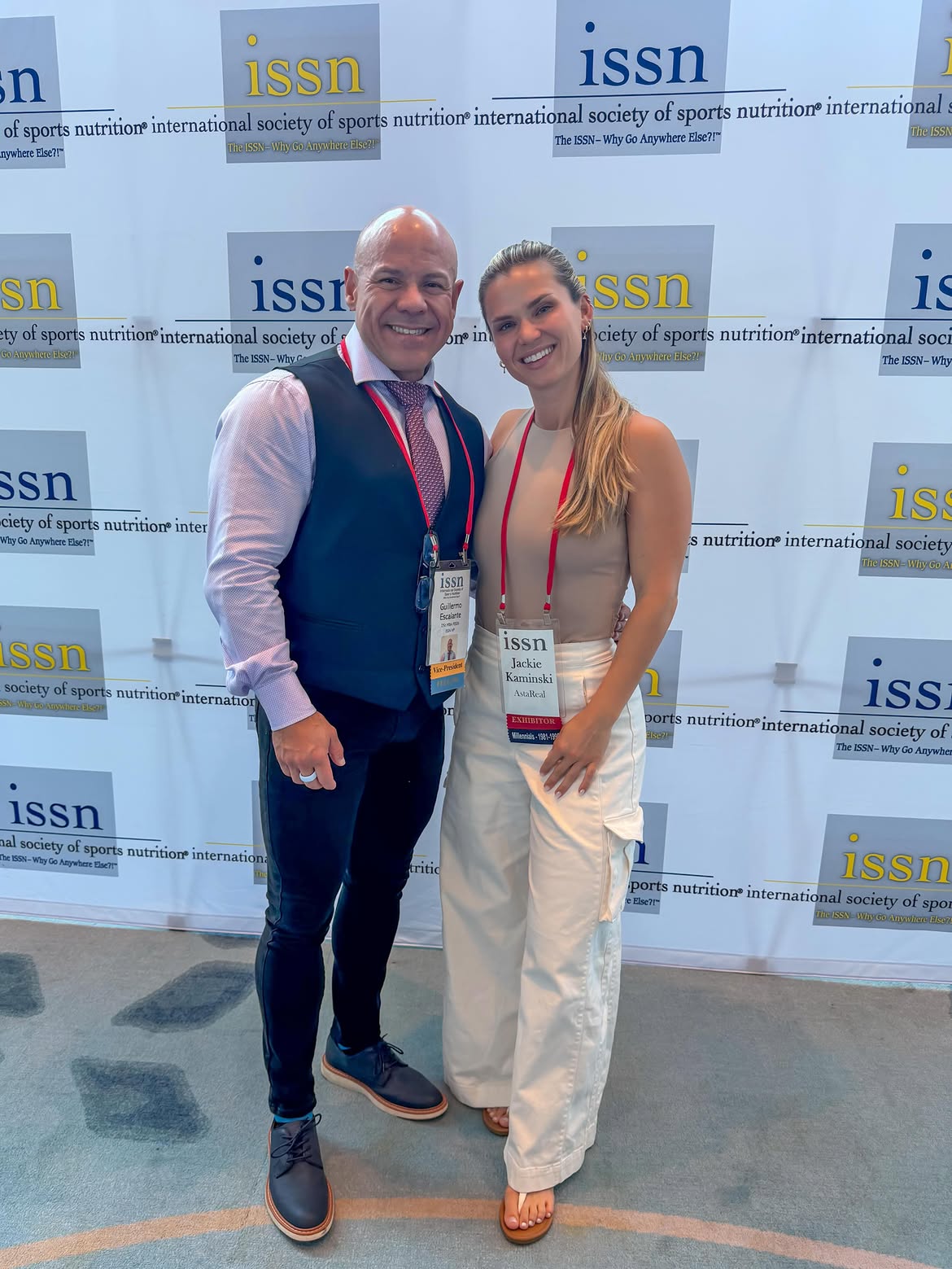
After graduate school, Jackie wanted to become more connected to the sports nutrition community. She contacted ISSN co-founder Dr. Jose Antonio and asked whether there were volunteer opportunities at the annual conference. She came, volunteered, and kept coming back.
Several of the jobs and professional relationships that later moved her career forward came through direct referrals from people connected to the ISSN community. That is why her advice to students is so emphatic: meet people, speak to them, and learn how to build genuine professional relationships.
Networking is sometimes treated as a transactional exercise - collect a contact, ask for a job, move on. Jackie's version is more useful. Understand what another person does. Ask a thoughtful question. Be someone who follows through. Let people see both your competence and the way you work with others.
As she notes, someone can be the smartest person in the room, but if nobody wants to speak with or work with them, that knowledge may never become useful. Communication is not a substitute for expertise. It is how expertise reaches athletes, coaches, colleagues, and opportunities.
Keep Returning to the Science
The people bring Jackie back to the ISSN conference, but so does the research. Sports nutrition changes quickly. Familiar topics such as protein, creatine, and supplementation are continually reassessed, while new questions - including the implications of GLP-1 receptor agonists - enter practice.
For a specialist, continuing education is not a side project. It is how advice remains current and defensible. The goal is not to chase every new trend. It is to understand the evidence early enough to help athletes make better decisions.
A Question for You
Jackie's journey offers a practical model for building a specialist career: develop a sound educational base, enter the environment where you hope to work, notice the problems that remain underserved, and keep showing up long enough to earn trust.
If you could build your own specialty in sports nutrition, which athletes or performance population would you want to serve - and what problem would you want to solve for them?
From Learning to the Profession
More conversations in the Global Voices in Sports Nutrition series will follow, featuring people whose careers have taken very different paths. Their common ground is that a career does not happen automatically after a certificate. Education gains value when it helps people enter real professional settings, learn from those doing the work, and find where they can contribute.
GPNi® aims to connect structured education and ISSN-aligned certification with the people, science, and professional community shaping the field.
Explore the pathways:
Follow Jackie Kaminski
Instagram: thefightnutritionist
LinkedIn: Jacqueline Kaminski MS, RDN/LDN
YouTube: The Fight Nutritionist










 Instagram
 Facebook
 YouTube
 Twitter
 Linkedin