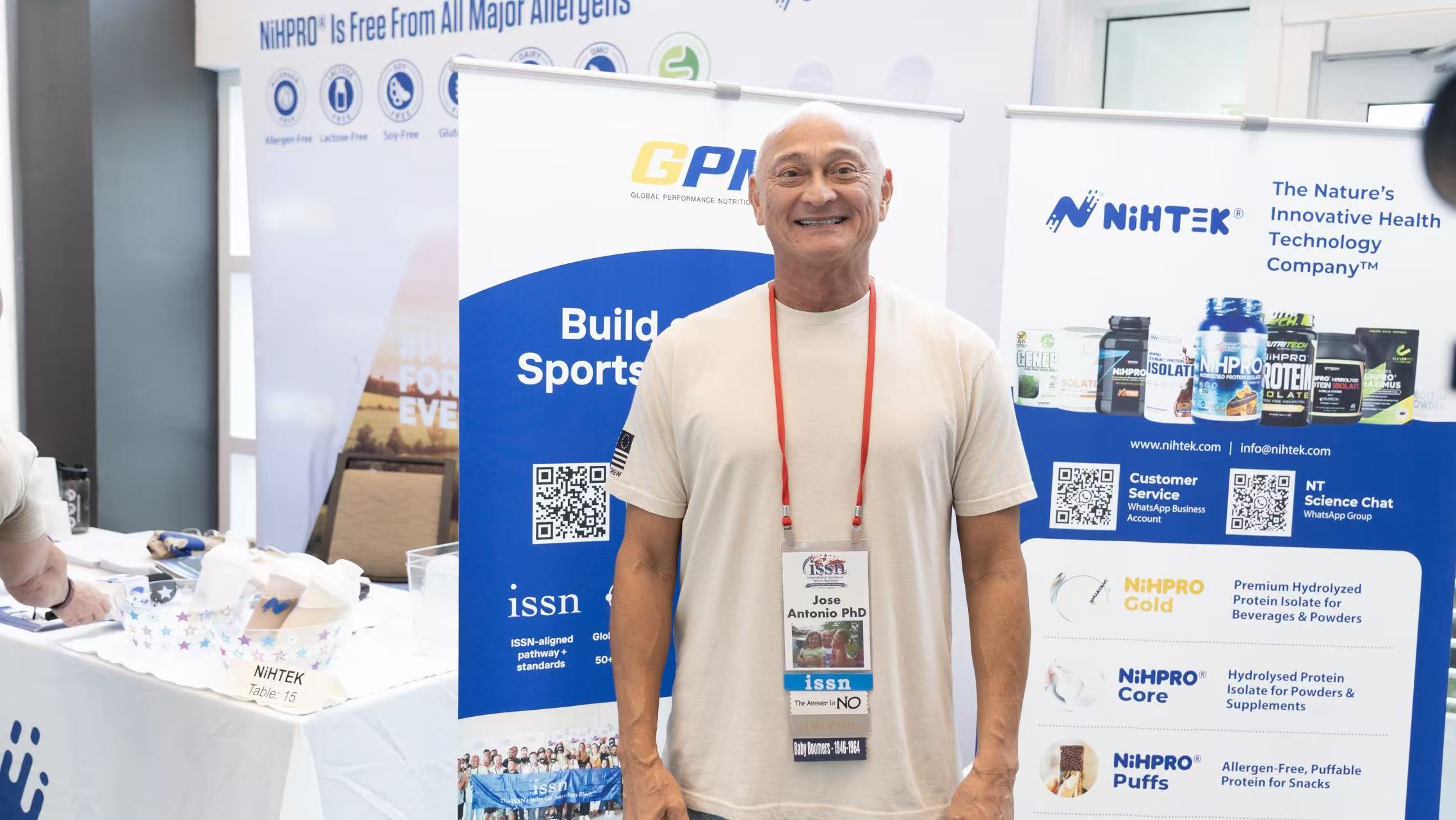
During the ISSN 2026 Annual Conference, GPNi® recorded a new series of career conversations with researchers, practitioners, educators, and leaders from across the sports nutrition profession.
The questions were simple:
- How did you get here?
- Which choices changed your direction?
- And if you could start again, what would you tell your younger self?
The answers matter because a career is rarely built by education or certification alone. Knowledge has to move into practice. People need opportunities to see how the profession works, meet those already doing the work, and gradually find the part of the field where they can make a real contribution.
For the first installment of our Global Voices in Sports Nutrition series, we begin with someone who did not simply enter the sports nutrition industry—he helped create it.
“Career development is an endurance test. But if you love the process, you won't spend every day counting down to graduation.”
— Dr. Jose Antonio
Dr. Jose Antonio
- Co-Founder and CEO of the International Society of Sports Nutrition (ISSN)
- Editor-in-Chief of the Journal of the International Society of Sports Nutrition (JISSN)
- Professor of Exercise and Sport Science at Nova Southeastern University
- Author of more than 150 peer-reviewed papers and 15 books
- Research interests include dietary protein, creatine, sports supplements, body composition, sports neuroscience, and human performance
Most people build a career within an established profession. Dr. Jose Antonio helped build the profession itself.
His research record alone would make him one of the most recognisable figures in sports nutrition. Yet his influence extends well beyond papers and books. As a co-founder of the ISSN, he helped create a place where scientists, practitioners, coaches, students, and the sports nutrition industry could finally take part in the same serious conversation.
If professional journals, position stands, annual conferences, research networks, and specialist certifications now feel like a normal part of sports nutrition, Antonio is one of the people who helped make that infrastructure possible.
What Feels Normal Today Barely Existed 20 Years Ago
Sports nutrition is now one of the most visible areas within the global sport, health, and nutrition industries. Around the turn of the millennium, however, the landscape looked very different. Antonio recalls how difficult it was to find good science that dealt specifically with sports nutrition and sports supplements. Researchers, companies, coaches, and athletes were often moving in parallel rather than working within a shared professional framework.
One reason the ISSN was created was to close that gap. The aim was to connect companies with scientists capable of conducting meaningful research, encourage stronger evidence behind product and structure-function claims, and help useful findings travel beyond the laboratory and into real practice.
That relationship needs clear boundaries. Industry support cannot replace scientific independence, and commercial confidence is not evidence. The larger goal was to raise the standard of the field: better questions, better research, more careful claims, and more direct communication between the people producing knowledge and those applying it.
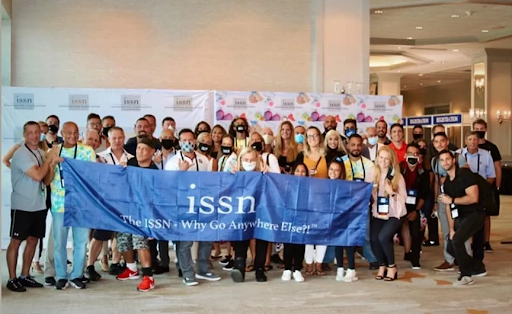
The results are now easy to take for granted. Sports nutrition has its own journals, university courses, position stands, research groups, professional certifications, and global meetings. In 2026, the ISSN held its 23rd annual conference - a reminder that professional fields are built slowly, through the repeated work of people who believe the field deserves stronger standards.
A Conference Is More Than a Place to Update Your Knowledge
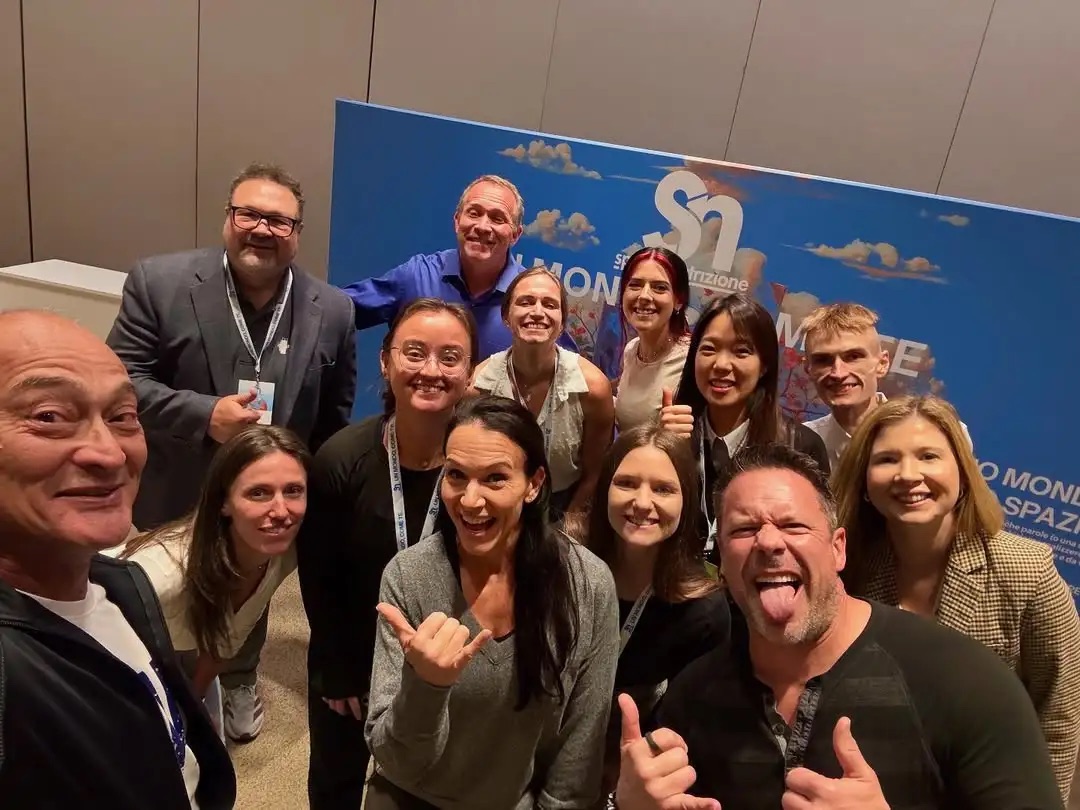
When Antonio talks about the ISSN conference, he does not begin with the programme. He talks about the people.
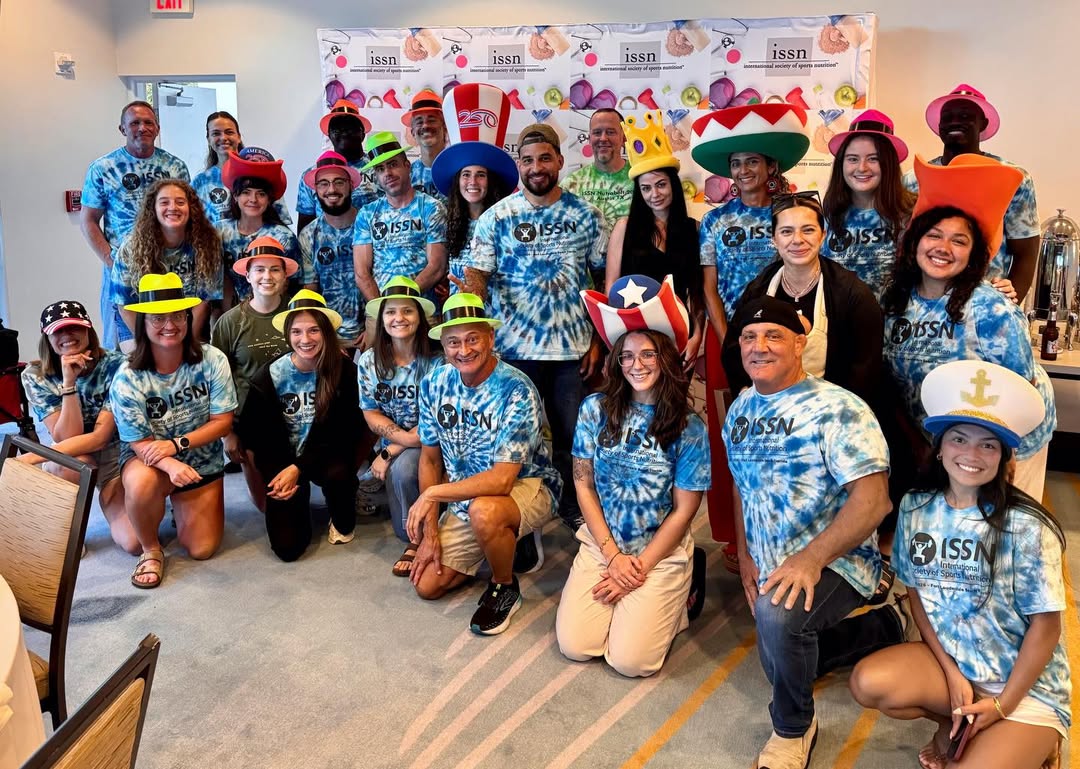
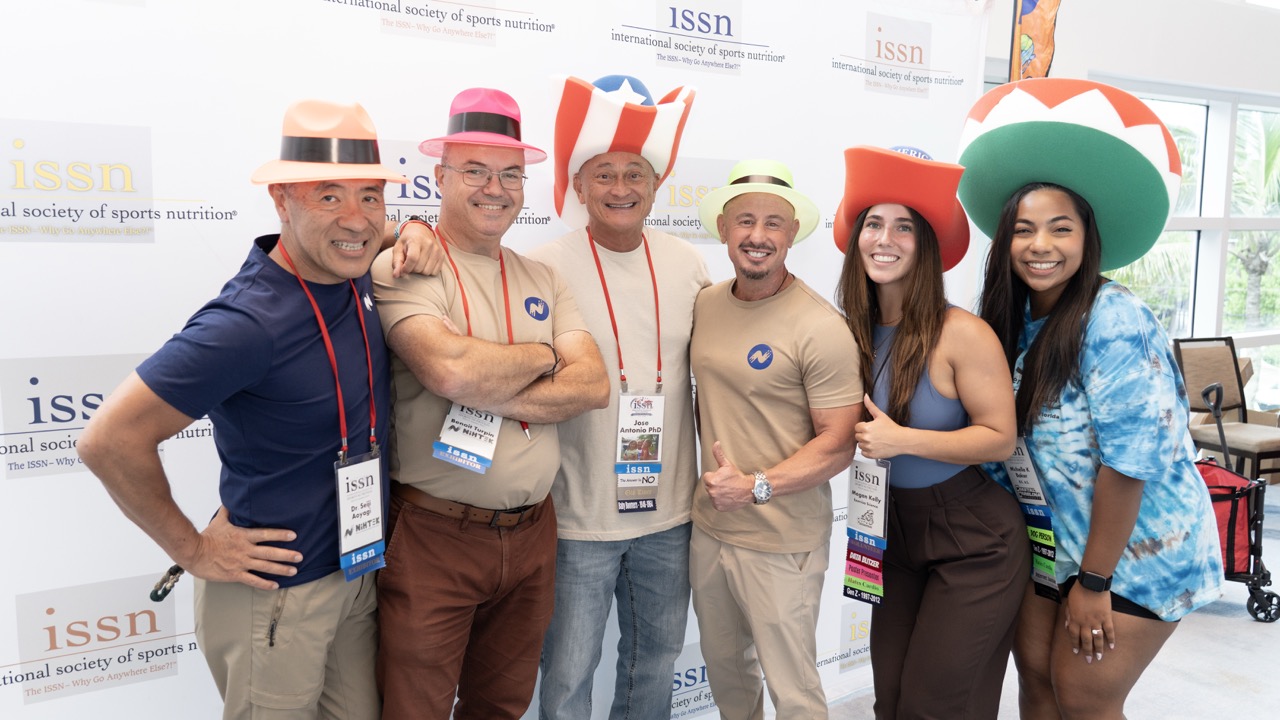
Researchers and practitioners are willing to discuss their work, but also their own diet, training, supplements, and day-to-day practice. The atmosphere is open and unusually accessible. In the same room, a student can hear the latest research and meet the people actively shaping the field.
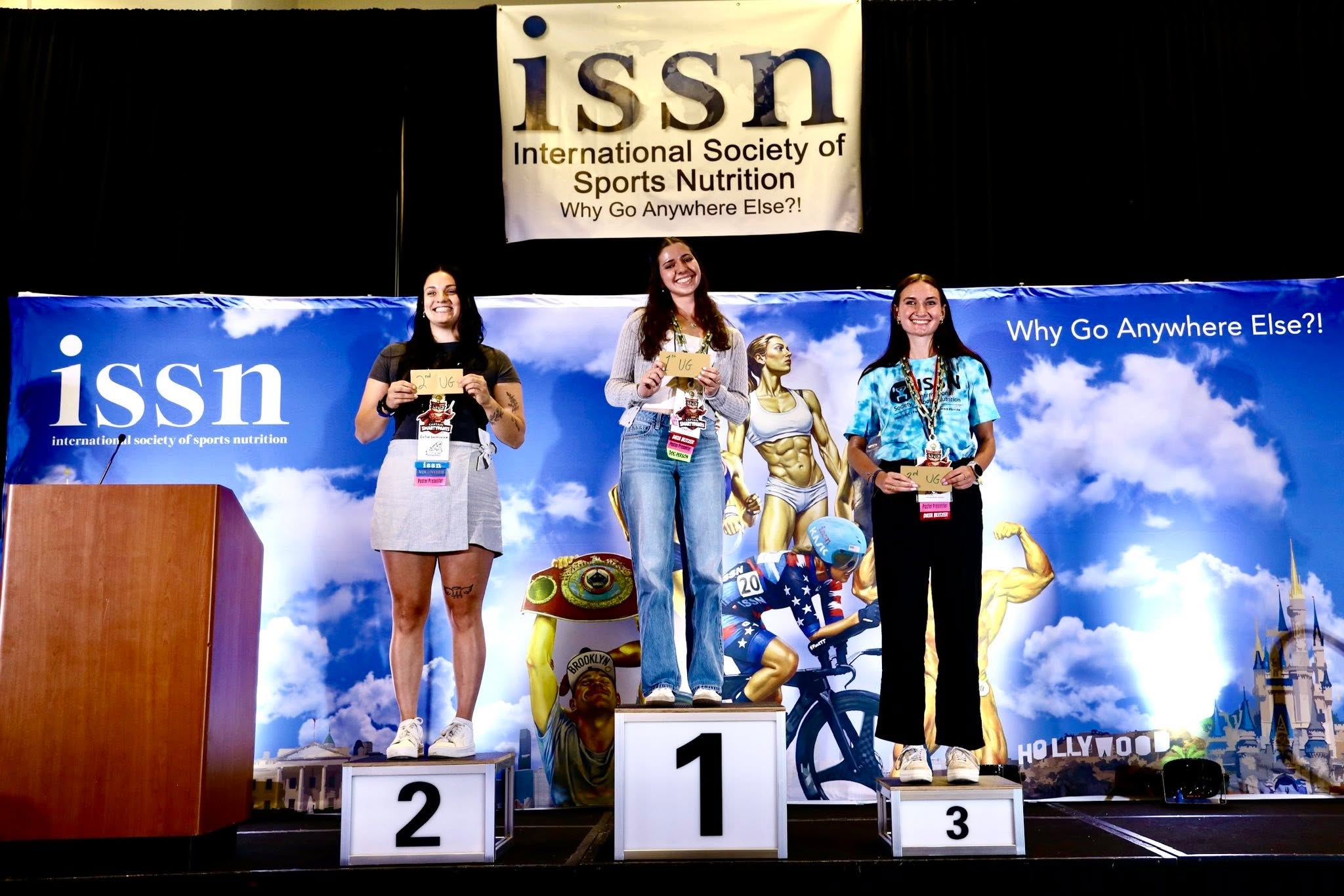
For someone at the beginning of a career, those conversations can change what the profession looks like. A short exchange may reveal a research question, introduce a future mentor, or lead to a placement, collaboration, or graduate opportunity. The conference is therefore not only a source of information. It allows researchers, practitioners, students, and industry professionals to see one another - and gives newcomers a way into the community.
His Advice to Young Professionals: Go and Meet People
Asked what he would tell young scientists and practitioners, Antonio's answer is direct: get out there and meet people face to face.
Approaching an established professor or researcher can feel intimidating. Students often assume they will be interrupting or that their question is too basic. In reality, many scientists are happy to talk about their work. Those conversations can offer a clearer view of current research, help refine an idea, and sometimes lead to a mentor who can guide the next stage of development.
Papers and lectures are widely available. Mentors provide something different. They can explain the parts of a profession that never make it into a textbook, help someone recognise avoidable mistakes, and give context to opportunities that may otherwise be difficult to evaluate.
The best professional relationships are not built through one-sided requests. Read the person's work first. Ask a specific question. Be clear about what you are learning and how you may be able to help. If an opportunity appears, follow through. One conversation may not change a career overnight, but consistent, thoughtful contact can gradually become trust.
Learn to Enjoy the Endurance Test
Antonio also describes career development as an endurance test. Degrees, research projects, publications, and professional credibility all take time. If graduation is the only part someone is waiting for, the process can feel painfully long.
But, as he puts it, if you love the process, you will not spend every day counting down until you graduate. You begin to value the questions, the work, the mistakes, and the fact that there is always more to learn.
Sustainable careers are rarely built on a short burst of motivation. They are built by finding meaning in the work itself and remaining curious long after the first qualification has been completed.
A Question for You
Antonio's story is a reminder that the journals, conferences, research standards, and certifications we now regard as normal exist because people kept working to build them. Young professionals do not need a perfect career plan from the beginning. Direction often becomes clearer through one conversation, one research project, or one conference session at a time.
If you could ask Dr. Jose Antonio one question in person, what would it be? And what do you think the next generation of sports nutrition professionals needs most?
From Learning to the Profession
More conversations in the Global Voices in Sports Nutrition series will follow, featuring people whose careers have taken very different paths. Their common ground is that a career does not happen automatically after a certificate. Education gains value when it helps people enter real professional settings, learn from those doing the work, and find where they can contribute.
GPNi® aims to connect structured education and ISSN-aligned certification with the people, science, and professional community shaping the field.
Explore the pathways:
FOLLOW DR. JOSE ANTONIO AND THE ISSN:
- LinkedIn: Jose Antonio PhD FNSCA FISSN
- Instagram — ISSN: the_issn
- Instagram — Dr. Jose Antonio:supphd
- Facebook:joseantoniophd
- X / Twitter: Jose Antonio PhD
- Sports Science Dudes on YouTube: sportssciencedudes











 Instagram
 Facebook
 YouTube
 Twitter
 Linkedin