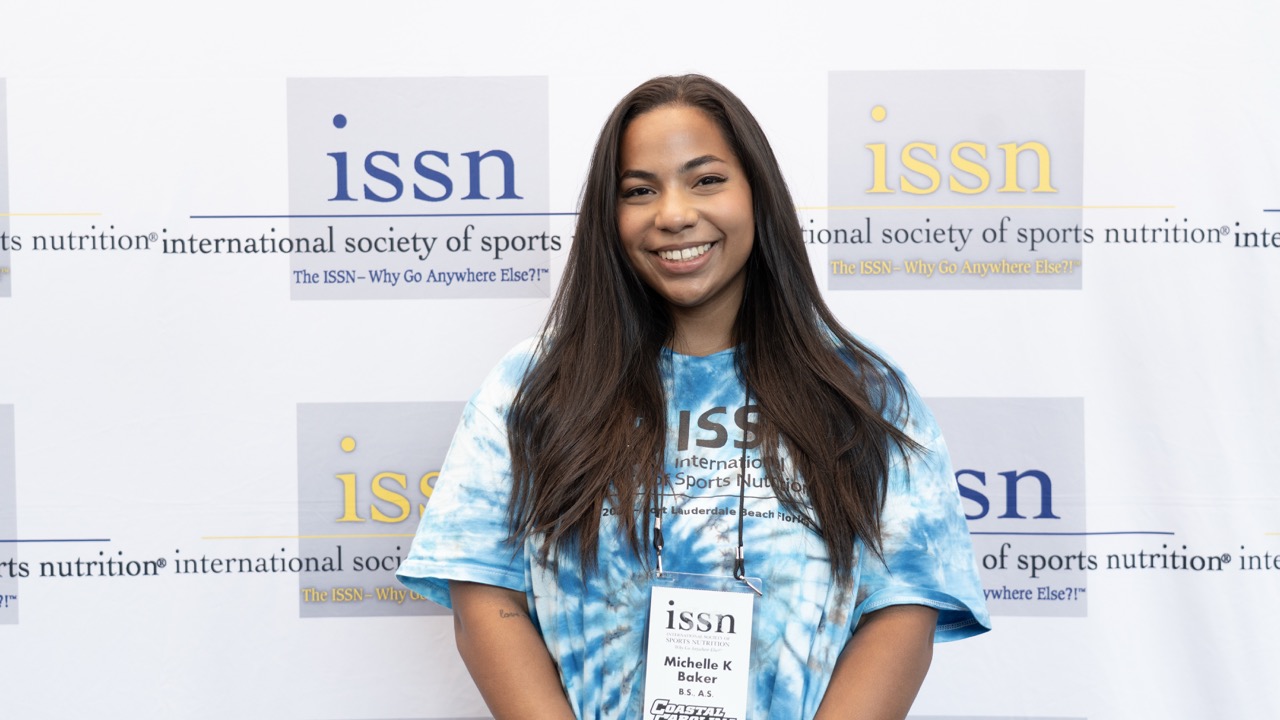
Michelle K. Baker did not arrive at ISSN as a sports nutrition specialist. She arrived at a transition point: newly graduated from Coastal Carolina University and preparing to begin the Doctor of Physical Therapy programme at Duke University. That made the conference valuable for a different reason. It allowed her to explore how nutrition, physiology, exercise, recovery, and clinical work meet.
“Go to your professors’ office hours. Form relationships with your professors, and your time in school will be so much different.”
— Michelle K. Baker
Michelle K. Baker
- Graduate of Coastal Carolina University in Exercise and Sport Science
- Preparing to begin the Doctor of Physical Therapy programme at Duke University
- Undergraduate research on vascular responses to resistance-training intensity
- Student mentee of Dr. K. Michelle Singleton
The Subject That Made the Direction Clear
Michelle had always done well academically, but one class felt different. Anatomy and physiology gave her a way to understand the human body that was both challenging and intuitive. It helped her recognise that she wanted a clinical career.
She did not immediately know which role would fit. She knew nursing was not the right route for her, and physical therapy gradually emerged as the stronger match. That process is common: career clarity often comes less from choosing a job title at the beginning than from noticing which questions continue to hold your attention.
Research Does Not Have to Fit in One Box
Michelle’s undergraduate research examined how different resistance-training intensities affect brachial artery flow-mediated dilation. It was not primarily a sports nutrition study. Yet the questions around blood flow, exercise dose, adaptation, recovery, and health sit close to many of the same problems discussed in performance nutrition.
Attending ISSN gave her permission to learn beyond the title of her project. Professionals rarely work within perfectly separated disciplines. A physical therapist may need to understand recovery and fuelling; a sports nutritionist benefits from understanding movement, injury, and physiology. Exposure across fields can improve clinical judgement without blurring professional scope.
Why Office Hours Matter
Michelle’s most practical advice is also one of the easiest for students to overlook: use office hours. A professor can remain a distant lecturer, or become someone who understands a student’s interests, recommends opportunities, invites them into research, and helps them evaluate the next step.
These relationships are not built by asking for favours at the last minute. They develop through thoughtful questions, consistent effort, and genuine interest in the work. Over time, a brief conversation after class can lead to research experience, a conference, a recommendation, or a clearer view of the profession.
Career Direction Becomes Clearer Through Exposure
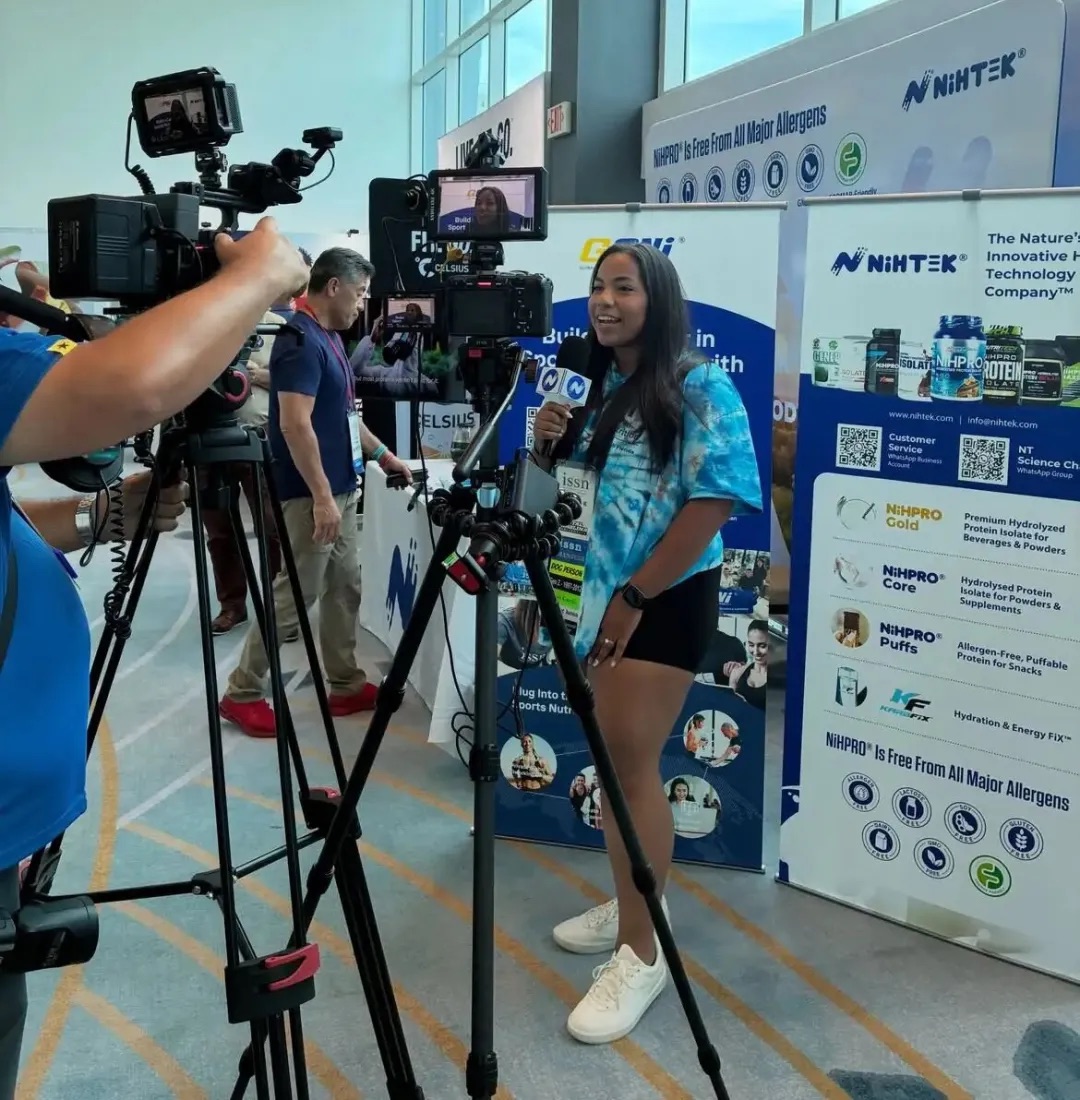
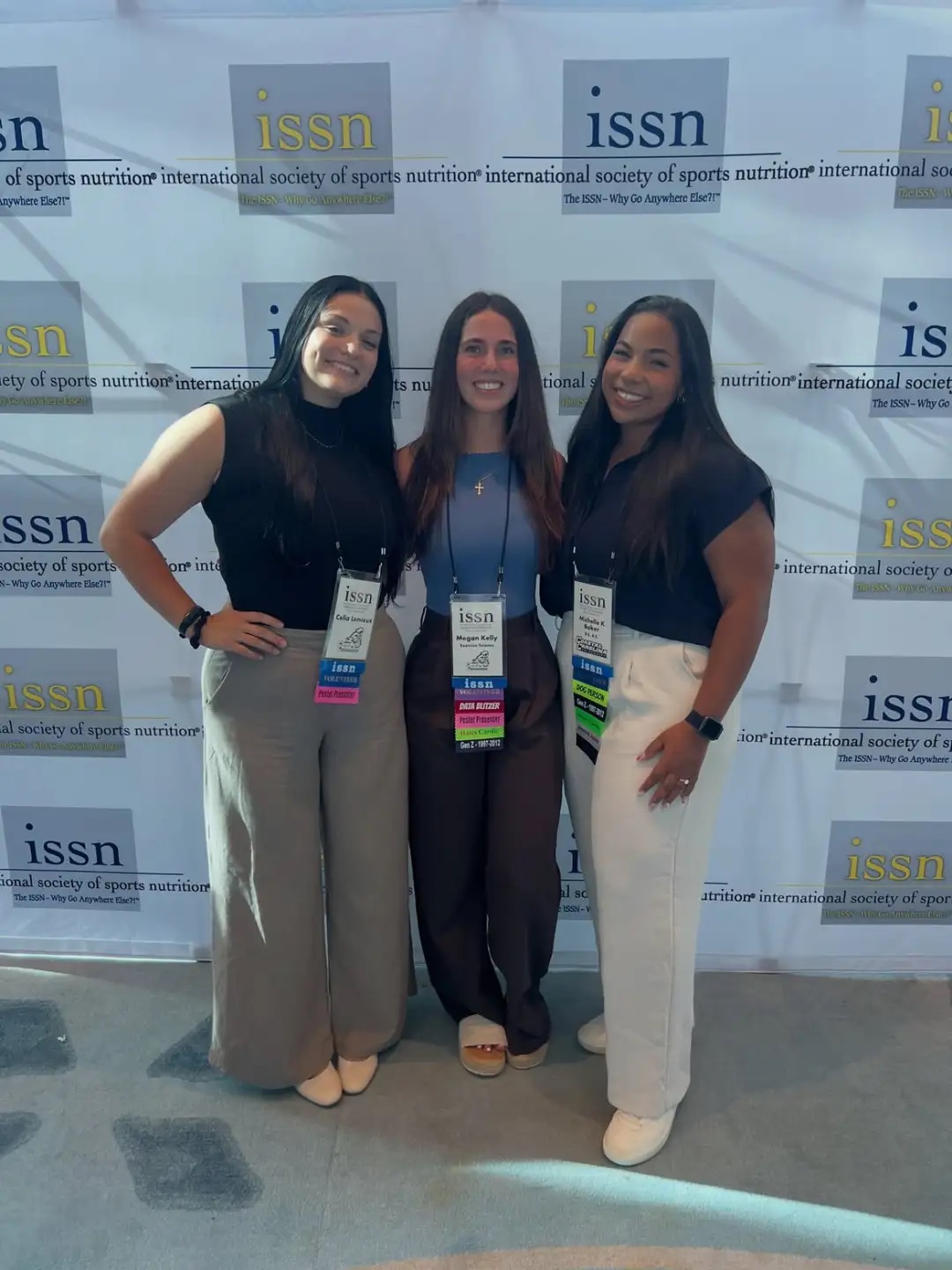
Michelle attended ISSN because she was close to Dr. Singleton and curious about the field. She listened to talks, encountered new research, and saw questions being asked about disparities and unresolved problems. She left wanting to return.
The lesson is not that every exercise science student should change direction toward sports nutrition. It is that students should give themselves enough exposure to make an informed choice. A conference outside their immediate specialty can reveal useful overlaps—and confirm which type of work feels most meaningful.
A Question for You
Which teacher, professor, or mentor helped you see a career option that you had not considered before?
Follow Michelle K. Baker
Instagram: https://www.instagram.com/michellekirina/
LinkedIn: https://www.linkedin.com/in/michelle-baker-b-s-a-s-3831a5224/
From Learning to the Profession
GPNi® education can strengthen the sports nutrition knowledge of professionals working across exercise science, coaching, rehabilitation, and performance. The goal is not to replace each profession’s scope, but to help people understand the evidence and collaborate more effectively.
Explore the pathways:







 Instagram
 Facebook
 YouTube
 Twitter
 Linkedin