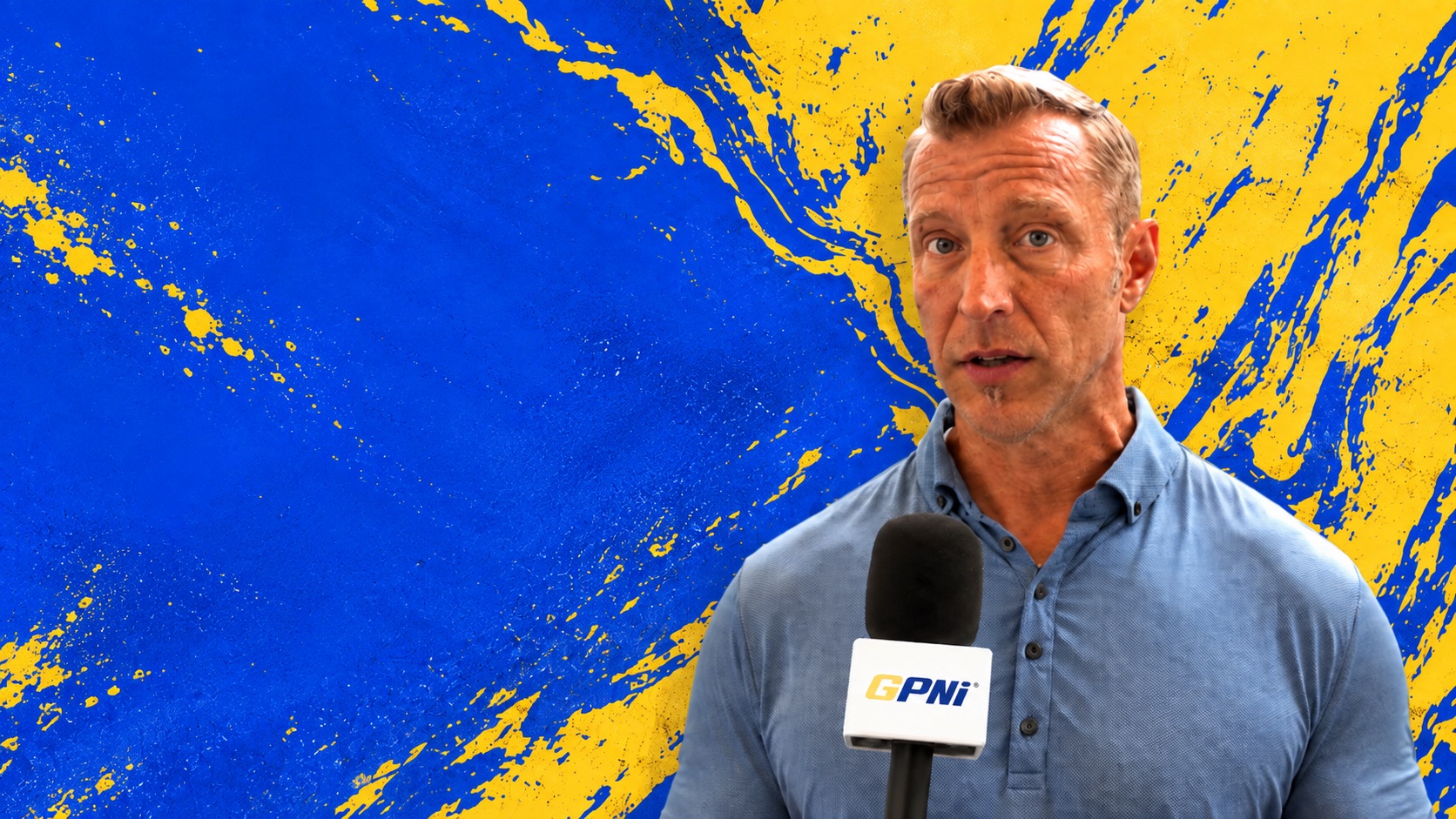
Twenty-three ISSN conferences have taken place, and Dr. Tim Ziegenfuss has attended every one—including the virtual meeting during the pandemic. His record matters not as a test of attendance, but because it gives him a direct view of how sports nutrition moved from the edge of academic respectability toward an established scientific field.
“Your network is your net worth. Establish it early, fertilize it, and grow it.”
— Dr. Tim Ziegenfuss
Dr. Tim Ziegenfuss
- Sports nutrition and exercise scientist
- CEO of The Center for Applied Health Sciences
- Past President and Fellow of the International Society of Sports Nutrition
- Certified Strength and Conditioning Specialist
- Researcher and scientific adviser in dietary supplements, exercise science, and human performance
When Supplement Research Was the “Boogeyman”
In the mid-1990s, young scientists interested in nutrition and dietary supplements entered an area that attracted suspicion. Tim recalls that studying these compounds could lead to unusually harsh scrutiny, even when products were already widely sold and used.
Creatine helped expose the need for better evidence. Research emerging from the United Kingdom in the early 1990s created scientific interest, while athletes and consumers were already acting. The responsible response was not blind promotion or blanket dismissal. It was to test whether products and ingredients were safe and effective.
That principle shaped the early ISSN community. Researchers including Jose Antonio, Doug Kalman, Susan Kleiner, Anthony Almada, Darryn Willoughby, Jeff Stout, and others were willing to study questions that mainstream institutions had often avoided.
Building a Field Requires More Than Individual Papers
A research area becomes a profession when people create structures around the evidence: conferences, journals, standards, mentorship, collaboration, and sustained debate. Tim’s continuous attendance reflects his involvement in that longer project.
The aim from the beginning was straightforward—generate science around products and practices already affecting athletes, then use the results to judge safety and efficacy. That mission remains relevant as new ingredients, technologies, and claims enter the market.
The quality of the field depends on protecting the difference between studying a commercial product and endorsing it. Strong industry–research collaboration requires transparent methods, appropriate controls, publication, and conclusions that remain within the data.
Teachers Changed His Direction
Tim’s own career began with an anatomy and physiology class in high school. He found the subject fascinating and realised he was good at it. At university, an exercise physiology professor, Jim Dolan, deepened that interest. Tim remembers thinking that if he understood what his professor knew, he might even have become a better athlete himself.
He initially considered physical therapy, physician-assistant training, or medicine. Graduate study in exercise science and physiology ultimately brought him toward sports nutrition—first as an important component of athlete performance, then as a career.
His story shows the lasting influence of good teaching. A single course may reveal aptitude; a professor can show what a life built around that subject might look like.
Why Face-to-Face Networks Still Matter
Tim’s central career advice is memorable: your network is your net worth. Digital communication makes it easy to connect, but an in-person meeting creates a different kind of attention. Looking someone in the eye, having an unhurried conversation, and returning to the same community over time build familiarity and trust.
He advises young professionals not only to establish a network, but to cultivate it. That means staying in contact, helping others, sharing useful information, and allowing relationships to grow across different stages of a career.
The early ISSN scientists did not build the field alone. They found colleagues who were willing to ask unpopular questions together. For the next generation, the details will change, but the need for credible collaborators will not.
A Question for You
Which question in sports nutrition is widely discussed today but still needs more rigorous, independent research?
Follow Dr. Tim Ziegenfuss
Instagram: https://www.instagram.com/tziegen/
LinkedIn: https://www.linkedin.com/in/tnzphd
Google Scholar: https://scholar.google.com/citations?user=ULWbLyQAAAAJ
From Learning to the Profession
GPNi® connects structured sports nutrition education and ISSN-aligned certification with the people, science, and professional community shaping the field. Education gains value when it helps learners enter real settings, ask better questions, apply evidence responsibly, and continue developing through practice and professional relationships.
Explore the pathways:











 Instagram
 Facebook
 YouTube
 Twitter
 Linkedin