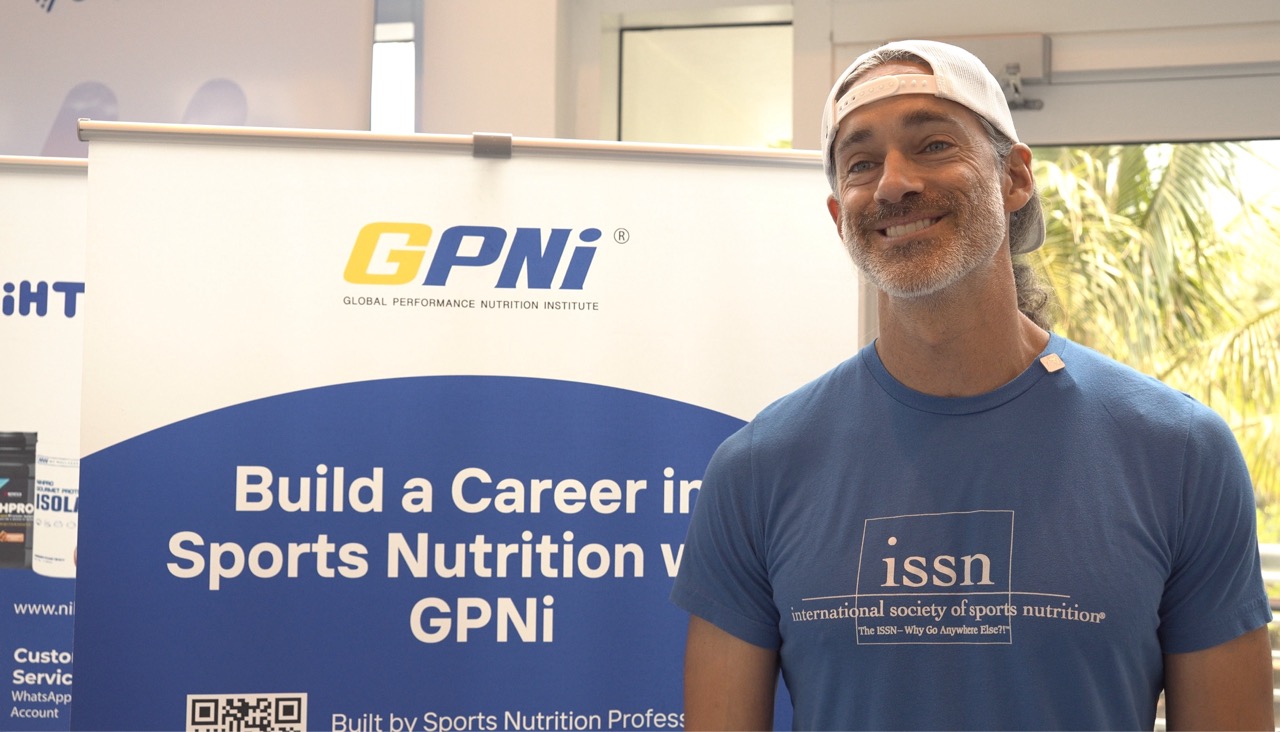
Recorded at the ISSN 2026 Annual Conference, this conversation offers a practical and candid look at what a long-term career in sports nutrition actually demands.
“Learn how to understand the science. Anyone can make a claim sound convincing.”
— Erik Bustillo
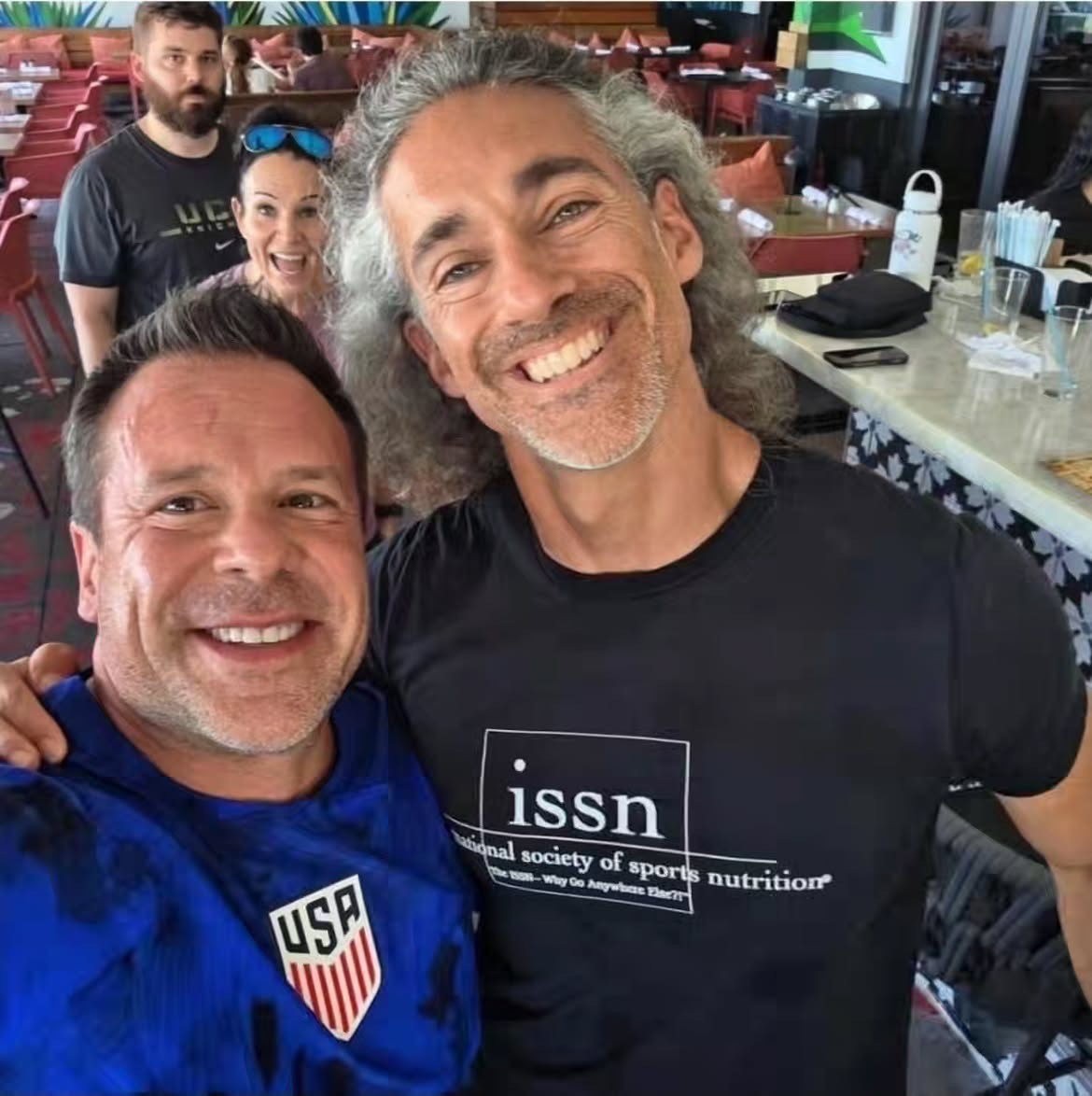
Erik Bustillo
- Registered Dietitian and performance nutrition specialist
- ISSN Fellow, CISSN, and former Vice President of the ISSN
- O2X Nutrition Specialist
- First Performance Dietitian for the United States Navy's Human Performance Optimisation initiative
- Experience with elite athletes, tactical professionals, laboratory-value interpretation, recovery, stress management, and behaviour change
After more than 15 years in nutrition and human performance, Erik Bustillo is willing to say something professionals do not always admit: he is still figuring things out.
That does not mean he lacks direction. His career has included professional and elite athletes, tactical professionals, military performance programmes, strength coaching, education, and leadership within the ISSN. It means that experience has taught him how much the field continues to change - and how dangerous it can be when certainty becomes part of someone's professional performance.
Erik's career has been built less on appearing to know everything than on helping people, reading science carefully, protecting his ethics, and remaining open to what he can still learn.
The Conference That Opened Up the Field
Erik first heard about the ISSN while completing his dietetic internship. Dr. Doug Kalman spoke to his orientation class and introduced the Society. Sports nutrition, performance, and health were already part of Erik's interests, so he attended the conference in 2012. He has not missed a year since.
The first visit expanded his idea of what sports nutrition could be. Dietary strategies sat alongside exercise science, supplementation, recovery, and human performance. The field became less abstract because he could see the research, the roles, and the people within it.
Exposure changes ambition. Students may know that a profession exists without understanding what its work actually looks like. Conferences, internships, and supervised practice make the field visible. Once people can see the options clearly, they can make better decisions about where they may contribute.
Helping People Navigate an Information Problem
The consistent thread in Erik's career is helping people, whether the goal is health, performance, or both. That role has become more important as nutrition information has become easier to access.
A phone can deliver thousands of claims in minutes. Some are well supported; others are incomplete, exaggerated, or simply wrong. The professional's value is not having the largest collection of facts. It is being able to judge information and translate evidence into decisions that make sense for the person in front of them.
That takes scientific communication. Practitioners need to understand methods, limitations, and context, then explain the conclusion without hiding uncertainty or claiming more than the study can show. As Erik notes, almost anything can sound credible when it is said with enough conviction. Learning to separate evidence from confident nonsense is both a scientific skill and a professional responsibility.
Ethics Are Part of Professional Performance
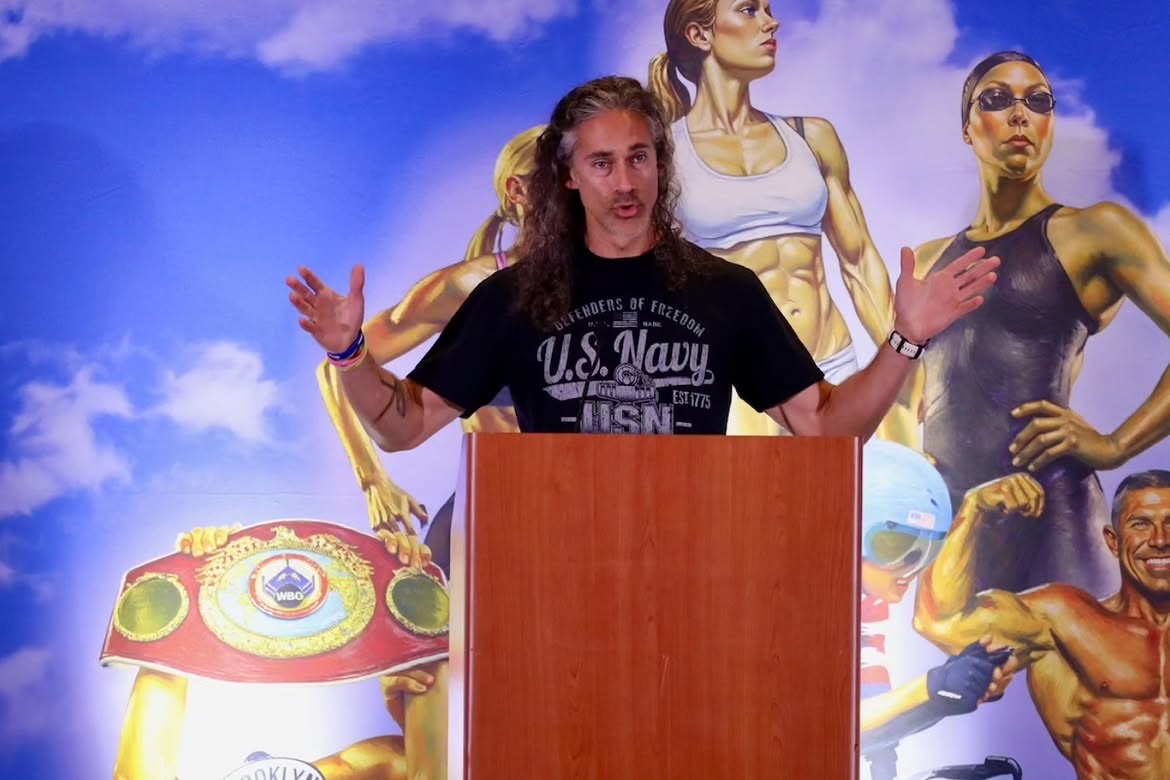
If Erik could advise his younger self, he would tell him to care less about what other people think and to keep doing what is ethically right.
Careers sometimes place professionals under pressure from employers, commercial interests, or people who want a more convenient answer. His message is blunt: do not sell your principles for money. Credibility accumulates slowly and can be damaged quickly.
Ethical practice also means recognising the limits of your expertise, referring when necessary, protecting client welfare, and separating evidence from personal preference. These are not constraints placed around career development. They are what make a long career trustworthy.
Learn From Everyone - Even When You Are Experienced
Erik encourages students to speak with researchers, practitioners, speakers, attendees, and industry representatives. He gives the same advice to experienced professionals.
Nobody knows everything. A stronger qualification or more senior title should increase the responsibility to keep learning, not grant permission to stop. New evidence can change an interpretation. A practitioner from another setting may recognise something you have missed. A student may ask the question that exposes an assumption everyone else has stopped examining.
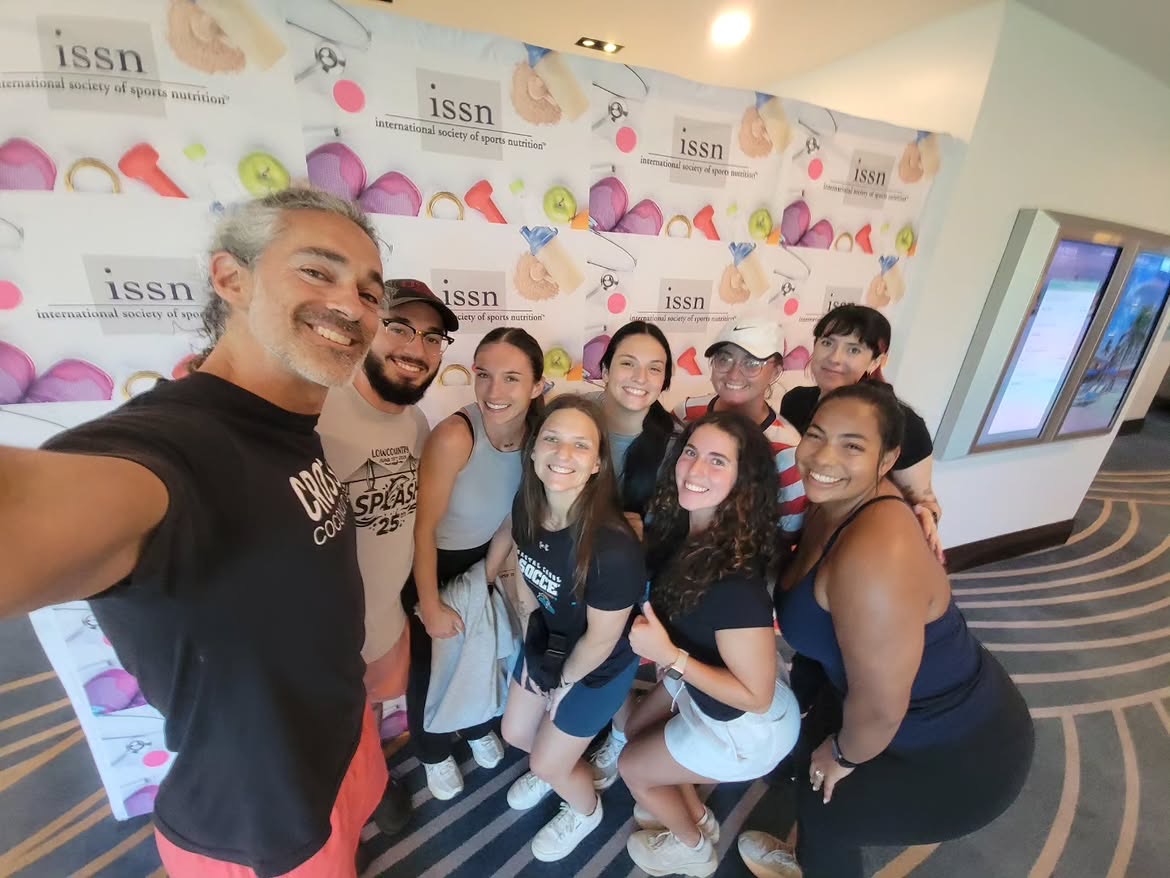
Many of the connections Erik formed through the ISSN have become real friendships. Curiosity, generosity, and ethical intent tend to attract people who value the same qualities. That kind of professional network supports more than the next job. It helps someone remain grounded over the course of a career.
A Question for You
Erik's story offers a more useful definition of credibility. It is not the ability to sound certain about everything. It is the willingness to serve people well, interpret science carefully, defend ethical boundaries, and keep learning long after others might expect you to have all the answers.
What matters most to you in a sports nutrition professional: knowledge, experience, communication, ethics, or the willingness to keep learning?
From Learning to the Profession
More conversations in the Global Voices in Sports Nutrition series will follow, featuring people whose careers have taken very different paths. Their common ground is that a career does not happen automatically after a certificate. Education gains value when it helps people enter real professional settings, learn from those doing the work, and find where they can contribute.
GPNi® aims to connect structured education and ISSN-aligned certification with the people, science, and professional community shaping the field.
Explore the pathways:
Follow Erik Bustillo
LinkedIn: Erik Bustillo
Instagram: erikbustillo
Facebook: Erik Bustillo
X / Twitter: Erik Bustillo











 Instagram
 Facebook
 YouTube
 Twitter
 Linkedin