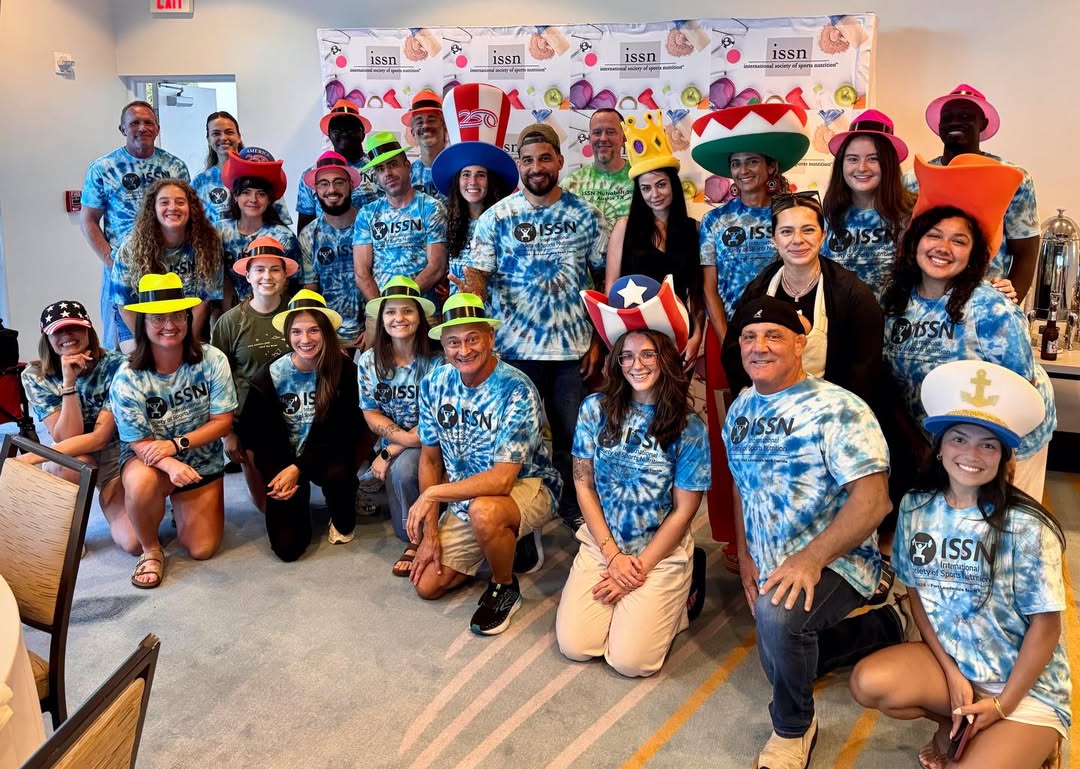
How to turn conferences and professional relationships into genuine development.
A course can organise knowledge. A paper can answer a research question. A professional relationship can help you understand what neither source shows on its own: how a field works in practice.
Conferences, mentors and peer networks give developing professionals access to questions, standards, feedback and opportunities that are difficult to create alone. They are not a substitute for competence. They help competence grow in context.
What conferences can do
A good conference concentrates a professional community. Learners can hear new research, compare interpretations, see how experts respond to challenge and discover roles they did not know existed.
Poster sessions are especially valuable. The conversation can move quickly from methods and limitations to practical relevance. For a student presenter, responding to questions builds scientific communication and confidence. Maximus Betscakos has publicly described how presenting original research at an ISSN conference helped develop his collaboration, communication and professional confidence before his later work in clinical exercise physiology and cardiac rehabilitation.
What mentors contribute
Mentors can help a learner make sense of unwritten professional knowledge: how to choose a project, handle a setback, improve a presentation, assess an opportunity or recognise a gap in preparation. Reviews of mentorship in biomedical and academic settings associate effective mentoring with professional development, identity, productivity and retention, while also showing that quality, structure and fit matter.
One mentor does not need to meet every need. A developmental network may include a research mentor, a practitioner, a peer, an industry contact and someone who understands the learner’s local context.
What peers make possible
Peers are sometimes treated as competitors. In healthy professional communities they are also collaborators, reality checks and future referral partners. They share resources, compare experiences and often create opportunities as their own careers develop.
Networking is not collecting contacts
Transactional networking focuses on what another person can provide. Relationship building starts with curiosity and contribution. It asks: What are you working on? What challenge are you facing? Is there a useful resource or introduction I can offer?
A short introduction becomes a relationship through follow-up. Send the paper you mentioned. Thank the person for specific advice. Share the outcome months later. Keep the interaction proportionate and respectful.
A practical conference plan
- Before: read the programme, choose priority sessions and prepare two genuine questions.
- During: attend one session outside your usual speciality and introduce yourself to a small number of people.
- After: organise notes within 48 hours and follow up with context—not a generic connection request.
- Within 30 days: apply or share one useful idea and report back where appropriate.
Finding mentorship responsibly
Do not begin by asking a stranger for an open-ended commitment. Start with a focused question that shows preparation. If the exchange is useful, continue respectfully. Formal programmes can provide clearer expectations, but informal mentorship can grow through shared work and repeated professional contact.
Mentorship should also have boundaries. Expectations, confidentiality, frequency and potential conflicts should be discussed. A mentor offers perspective, not control over another person’s career.
Digital networks can widen access
Online events, professional groups and expert-led education can connect learners who cannot travel. The same standards apply: verify expertise, avoid treating follower count as authority and contribute more than self-promotion.
GPNi’s connection with the ISSN is valuable because education can sit within a larger professional conversation. The goal is not simply access to names; it is exposure to standards, ideas and people who are actively shaping the field.
Careers grow through capability. Relationships help capability become visible, challenged and useful.
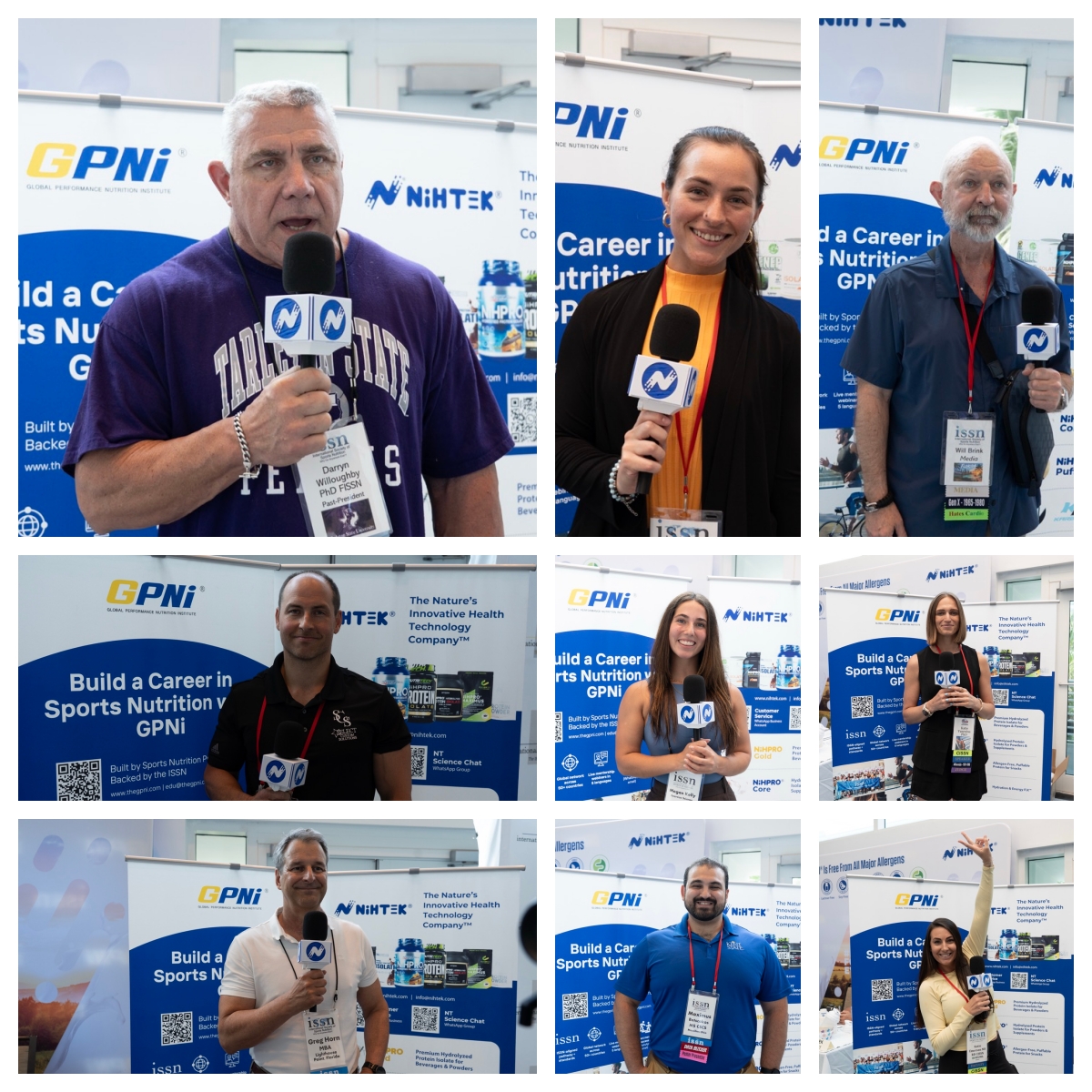
Build relationships before you need an opportunity
Professional relationships become more resilient when they are not activated only during a job search. Share useful work, congratulate people on substantive achievements, invite critique and follow projects over time. Keep a simple record of promised follow-ups so good intentions become reliable behaviour.
When asking for help, make the request specific and proportionate. A 15-minute question about a role is easier to answer than “Will you mentor me?” Show what you have already considered. Respect a decline. Professional generosity works best when boundaries are clear.











 Instagram
 Facebook
 YouTube
 Twitter
 Linkedin