By Drew Campbell, CISSN, Founder of GPNi®
A Word From the Founder from the 23rd annual ISSN Conference
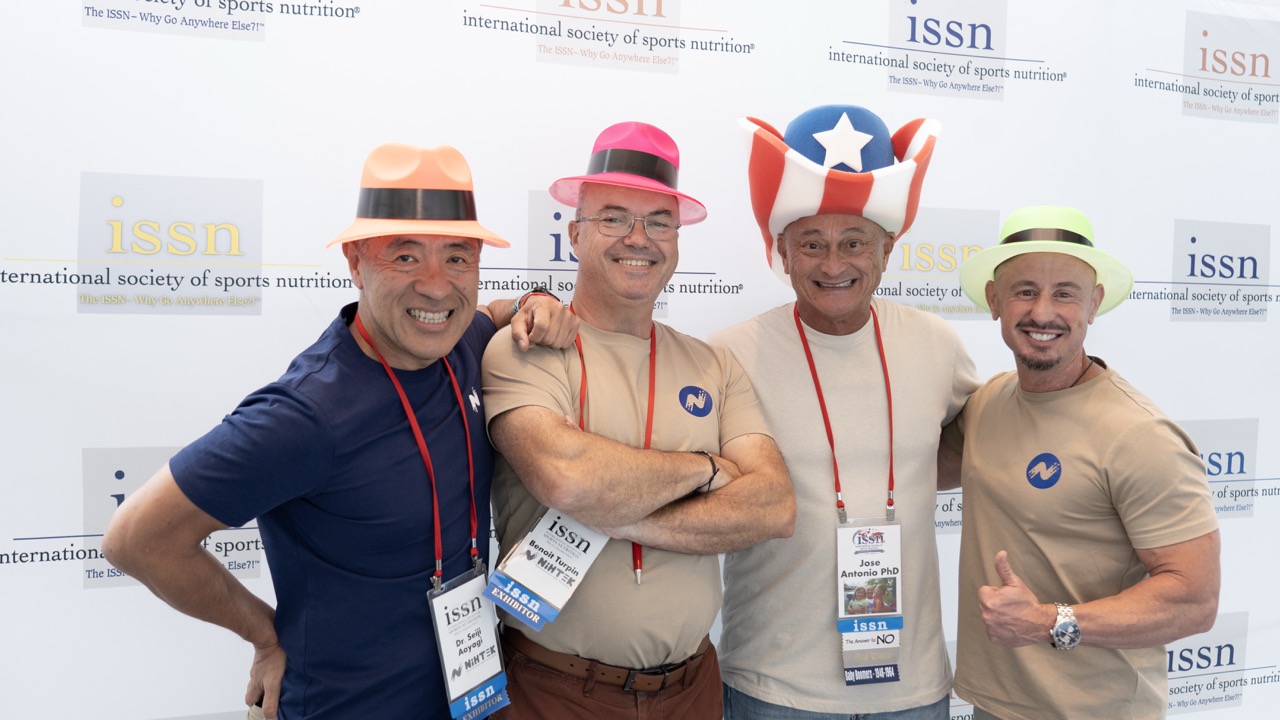
I went to the 23rd annual International Society of Sports Nutrition Conference in Fort Lauderdale expecting strong science. The published programme confirms the scale and research focus of the meeting. I came away thinking just as much about the conversations between the presentations.
That has always been one of the most valuable parts of an ISSN conference. A researcher presents a finding. A practitioner asks how it changes a real decision. A student introduces themselves for the first time. An industry professional raises a manufacturing or communication challenge. The idea becomes sharper because different parts of the profession meet in the same room.
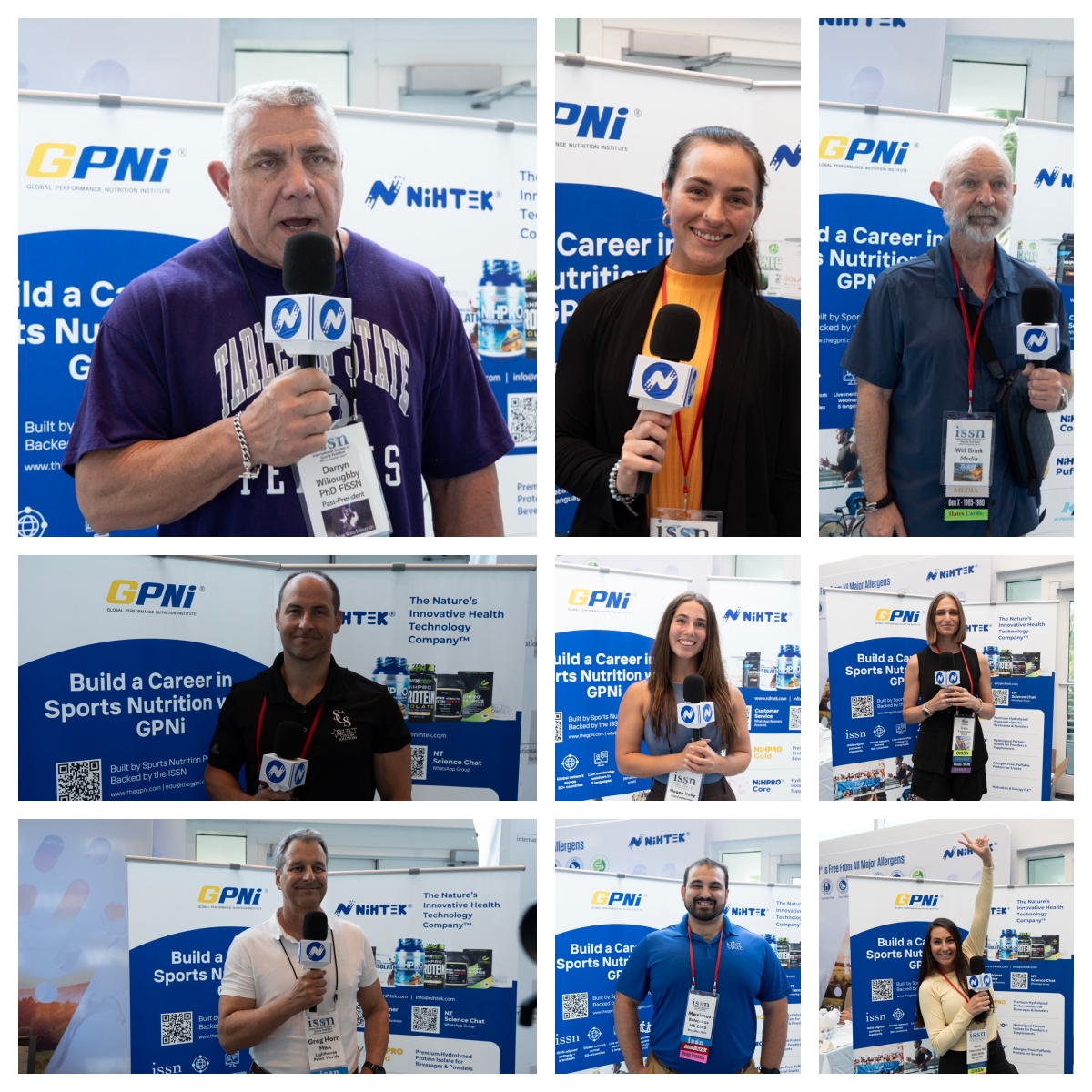
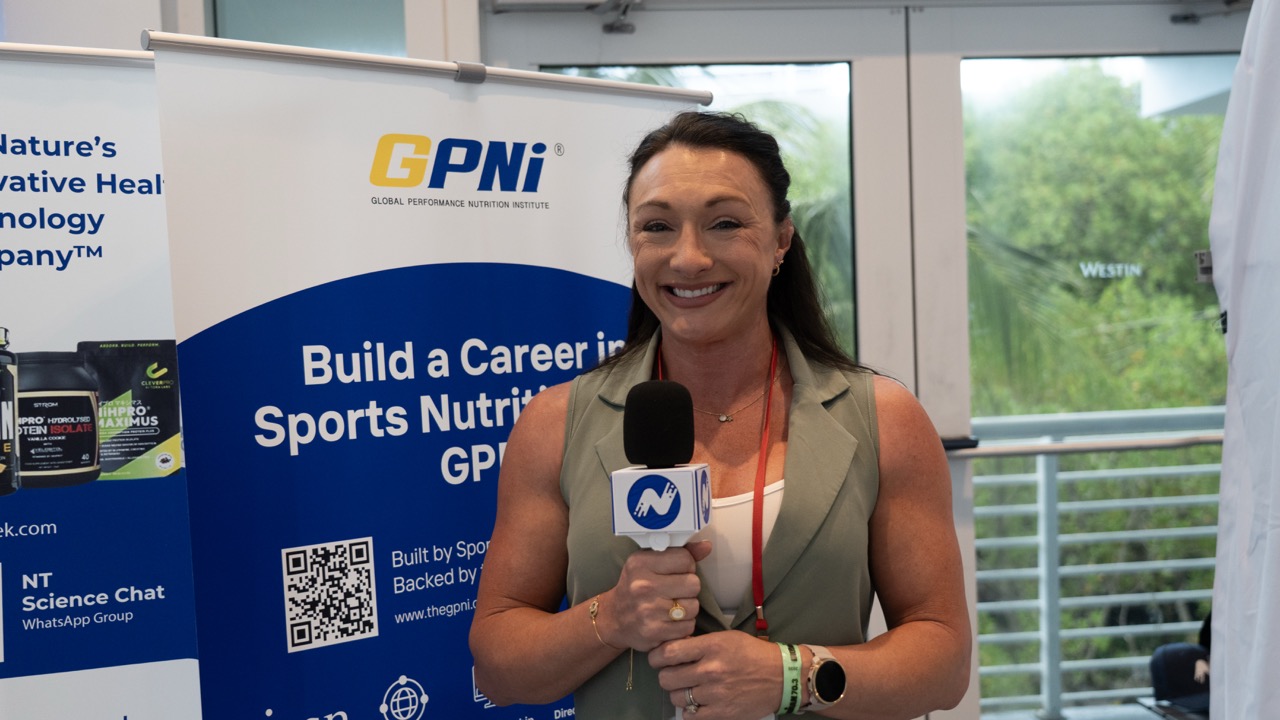
For GPNi, filming the Career Insights conversations live at the conference made that especially visible. The people we spoke with did not all have the same job or route. Their careers crossed research, dietetics, coaching, academia, clinical exercise, scientific affairs, ingredients and product development.
There is no single sports nutrition career
The field is becoming more specialised and more connected at the same time. We need people who can work directly with athletes. We also need people who can design research, protect quality, explain evidence, formulate products, manage supply and teach others.
That should be encouraging for the next generation. Your route does not have to copy someone else’s. It does need a credible foundation, practical experience and a willingness to understand how your work connects with other disciplines.
Science moves through challenge
A conference should not be a room full of people agreeing politely. Good science improves when methods, interpretation and application are questioned. That does not weaken the profession. It is how the profession becomes more reliable.
I watched younger professionals listen carefully, present their work and ask direct questions of people whose papers they had read. Those moments matter. Confidence is not pretending to know everything. It is being prepared enough to join the conversation—and open enough to change your mind.
The hallway can be a classroom
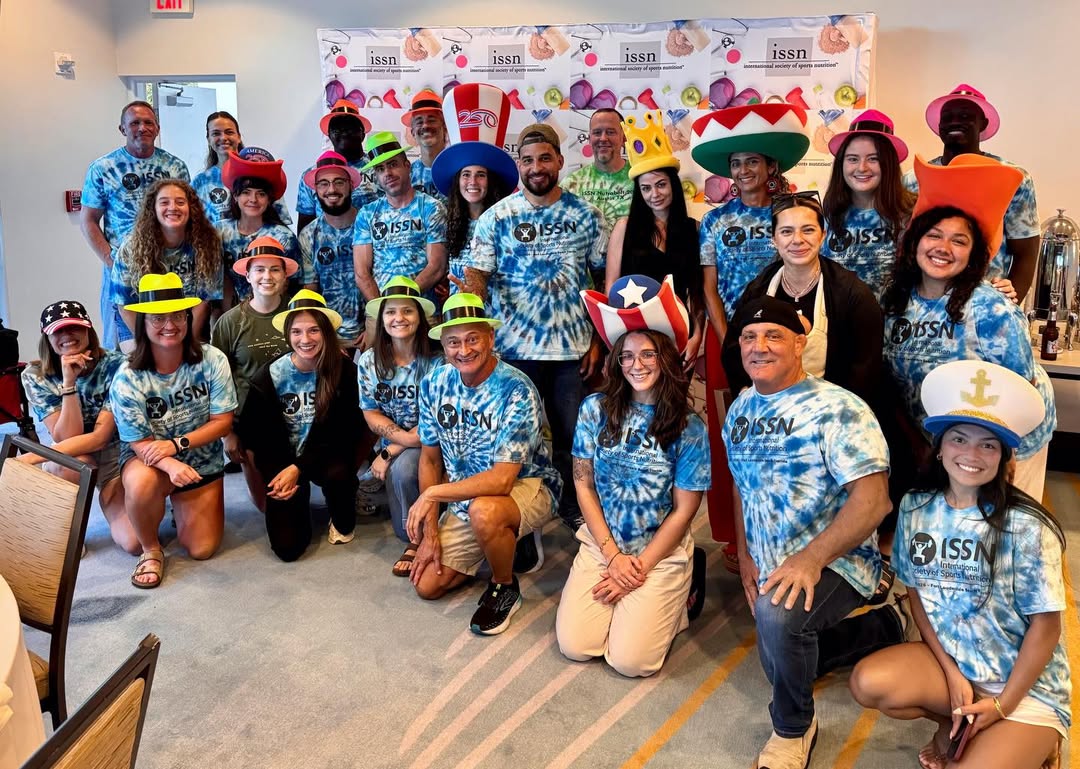
Some of the most important professional lessons are not listed in the programme. They happen when a five-minute introduction becomes advice, a collaboration or a clearer sense of direction.
Networking can sound transactional, but the best version is not. It starts with curiosity: What are you working on? What problem are you trying to solve? What have you learned? Then it grows through contribution and follow-through.
The future needs translators
More information is available than ever. That does not automatically create better decisions. We need professionals who can judge the quality of evidence, understand the limits of a study and translate a finding without turning it into a promise.
That skill is essential in athlete practice, education, media and industry. It is one reason GPNi combines expert teaching with cases and applied work. Learning should help someone cross the distance between a paper and a responsible recommendation.
Access must become more global
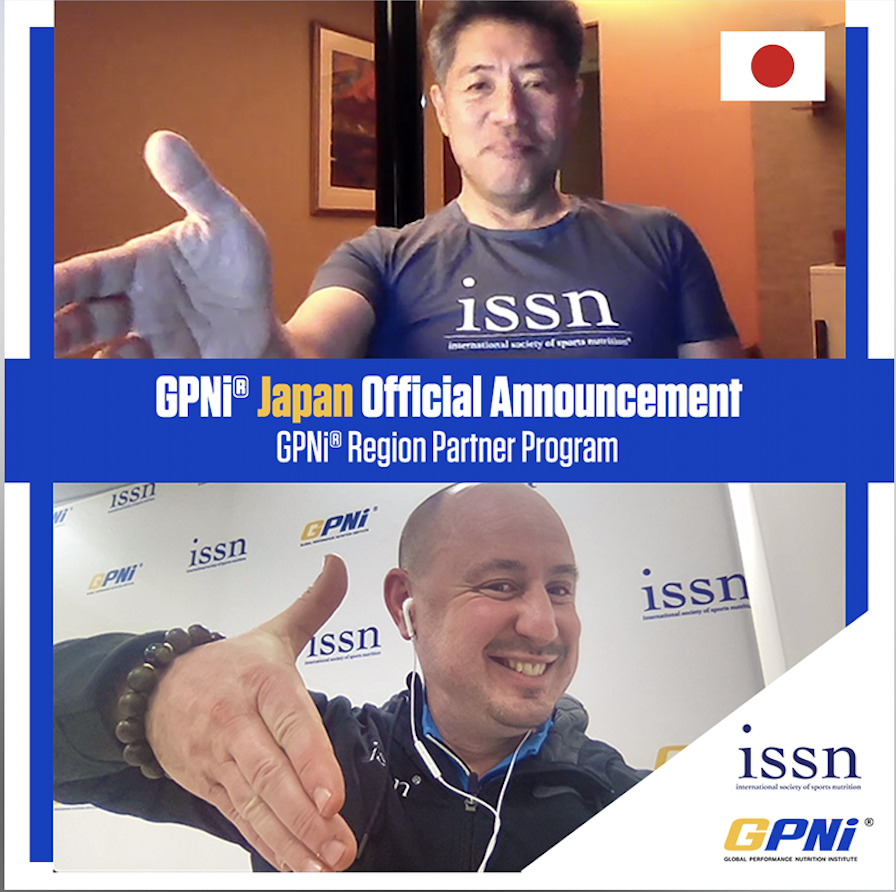
The conference also reminded me why access matters. Not every serious learner can travel to the same city, study in the same language or enter the profession through the same route. Digital and multilingual education can widen participation, but only if quality remains high and local context is respected.
Our responsibility is not to make science simpler than it is. It is to make rigorous learning more reachable and help professionals enter a global conversation with confidence.
What I brought home
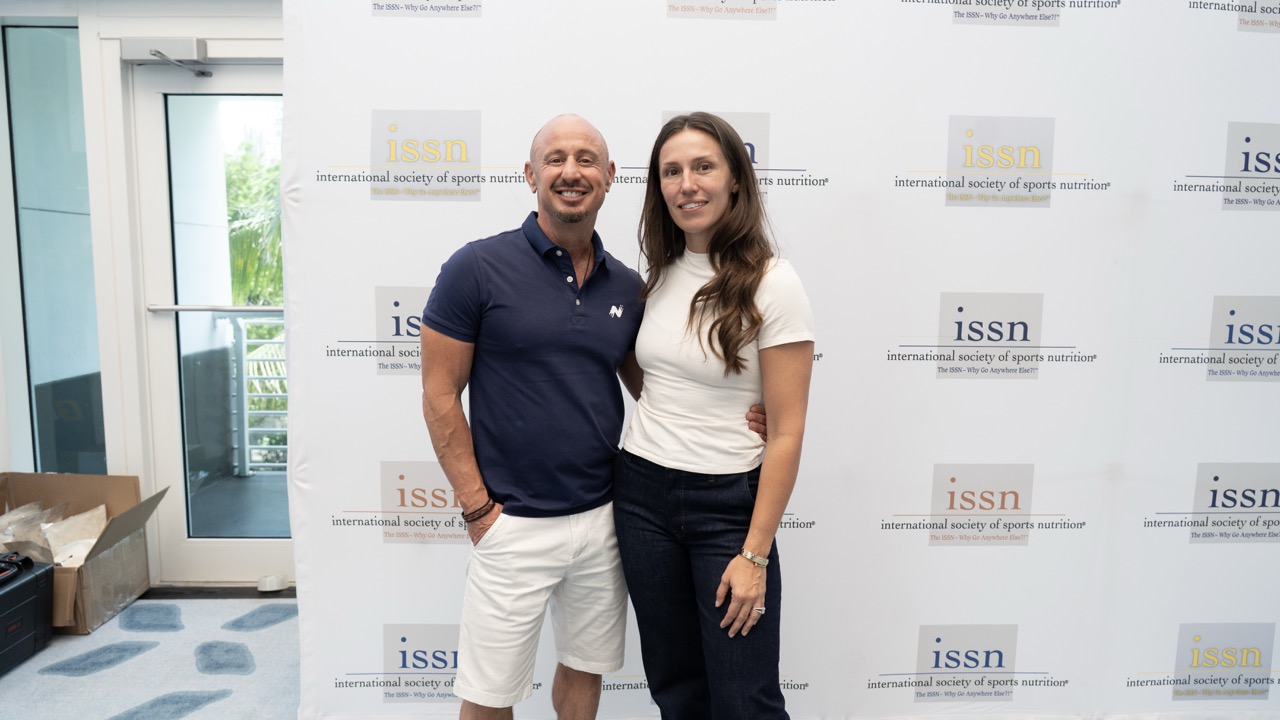
I left Fort Lauderdale with three convictions. The future of sports nutrition will be collaborative. Credibility will belong to people who can connect evidence with context. And careers will grow faster when education creates both capability and community.
If you are entering the profession, do not wait until you feel like an expert before participating. Prepare. Ask a thoughtful question. Introduce yourself. Share your work. Listen closely.
The next chapter of sports nutrition is already being discussed. You should be part of the conversation.
How to make the next conference count
Do not measure a conference only by how many sessions you attended. Choose one idea to investigate, one person to follow up with and one contribution to make. That contribution may be sharing a useful paper, introducing two people or writing a clear summary for colleagues who could not attend.
Within a week, turn your notes into actions. Within a month, revisit them and ask what changed. The event creates energy; follow-through turns that energy into professional development. This is how a few days in one location can continue shaping work long after everyone has travelled home.








 Instagram
 Facebook
 YouTube
 Twitter
 Linkedin