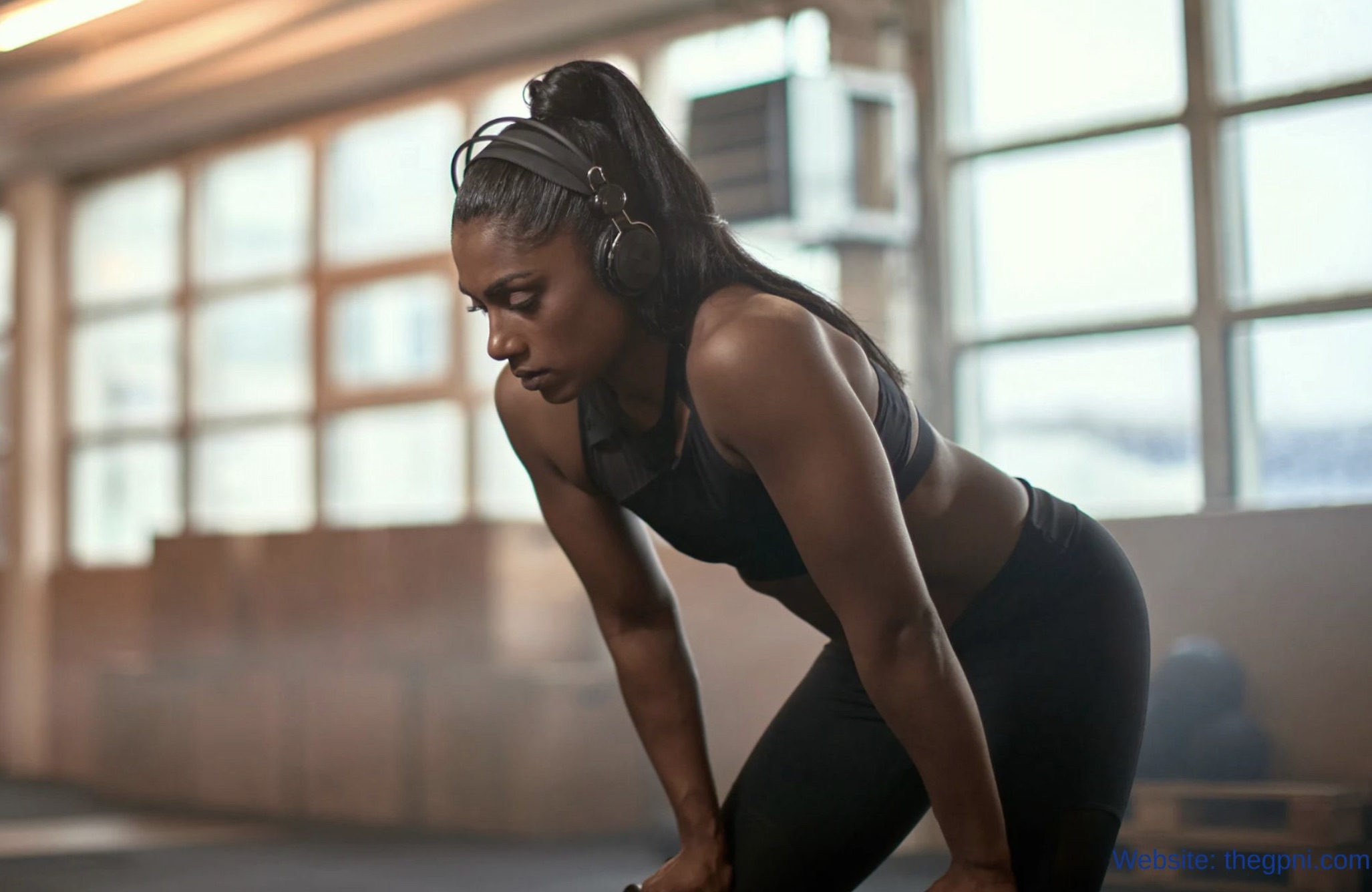
Opening - The Pattern Everyone Mislabels You’re in a fat-loss phase or prepping for an event. Training volume is up. Food is down.
Then it starts: missed periods (or cycle changes), low mood, persistent fatigue, injuries that won’t heal.
The internet says: “You just need more discipline.”
Sports science says: your body may be protecting itself.
Quick Quiz (Pick One)
When an athlete loses their period, feels emotionally flat, and recovery tanks during a cut, the most likely explanation is:
A) They’re mentally weak and need more grit
B) Their body is adapting to low energy availability (LEA), increasing risk of RED-S
C) They need a “hormone-balancing” supplement stack
Answer Reveal
B) Low energy availability (LEA) → higher risk of RED-S (Relative Energy Deficiency in Sport).
What LEA and RED-S Actually Mean
Energy availability (EA) is the energy left for basic physiology after training costs are subtracted (often expressed relative to fat-free mass). In practice, LEA can happen when:
- Intake is too low for the training load, even without an eating disorder
- Training volume increases faster than fueling
- “Clean eating” becomes inadvertently restrictive
RED-S is the broader syndrome describing how prolonged LEA can impair multiple body systems and performance, not only in females, and not only “elite” athletes.
The “~30” Number and Why It’s Not a Magic Line
A landmark sports medicine position stand notes that many physiological disruptions tend to appear when EA drops below ~30 kcal/kg fat-free mass/day, though individual response varies. Some athletes show disruption sooner; others later. Translation: it’s a risk zone, not a guaranteed threshold.

Common Signs: Female and Male Patterns Can Look Different
In Females (Often More Obvious):
- Menstrual dysfunction (irregular cycles, missed periods)
- Fatigue, irritability, low mood
- Bone stress injuries / recurrent injuries
- Plateau or decline in performance despite “doing everything right”
In Males (Often Missed):
- Low libido, impaired recovery
- Persistent fatigue, low motivation
- Performance stagnation, more illness/injuries
- (LEA doesn’t announce itself as clearly as “missed periods,” so it’s easier to ignore.)
Why “Just Push Through” Backfires
When energy is chronically scarce, the body may conserve resources by altering:
- Reproductive hormones (e.g., suppressed GnRH/LH signaling pathways)
- Thyroid-related signals and metabolic hormones
- Bone turnover balance and immune function
This is not about character. It’s biology.
The GPNi Playbook: What to Do (Step-by-Step)
Step 1 - Treat Symptoms as Data, Not a Moral Failing
If you’re seeing any two of these cycle disruption, fatigue, low mood, declining performance, repeated injuries, you don’t need more punishment. You need assessment.
Step 2 - Fix the Biggest Lever First: Energy (and Often Carbs)
Practical starting point (general, not medical advice):
- Increase daily intake modestly and consistently (think “small but non-negotiable”)
- Consider reducing training volume temporarily if recovery is failing
- Ensure protein is adequate but remember: protein can’t replace missing total energy
Step 3 - Build a “Minimum Effective Deficit”
If fat loss is still a goal, aim for:
- Slower rate of loss
- Planned refeeds / diet breaks when warning signs appear
- Performance markers (sleep, mood, cycle, training quality) as success criteria
Step 4 - Use a Multidisciplinary Team When Red Flags Appear
Best practice is often sports dietitian + sports physician (and mental health support if food rules/anxiety are present).

Red Flags: Get Medical Evaluation Promptly
Missed periods > 3 months (or significant cycle changes)
Stress fractures or repeated bone stress injuries
Dizziness, fainting, heart palpitations
Severe mood symptoms, compulsive exercise, or inability to increase intake
Conclusion
Pushing harder isn’t always the solution. Instead, understanding Low Energy Availability (LEA) and RED-S can help you realize that sometimes, your body just needs more fuel to keep performing at its best. If you’re experiencing any of these signs, take a step back and assess your energy intake, training load, and recovery. Remember, this isn’t about discipline it’s about listening to your body and giving it what it needs to thrive.











 Instagram
 Facebook
 YouTube
 Twitter
 Linkedin