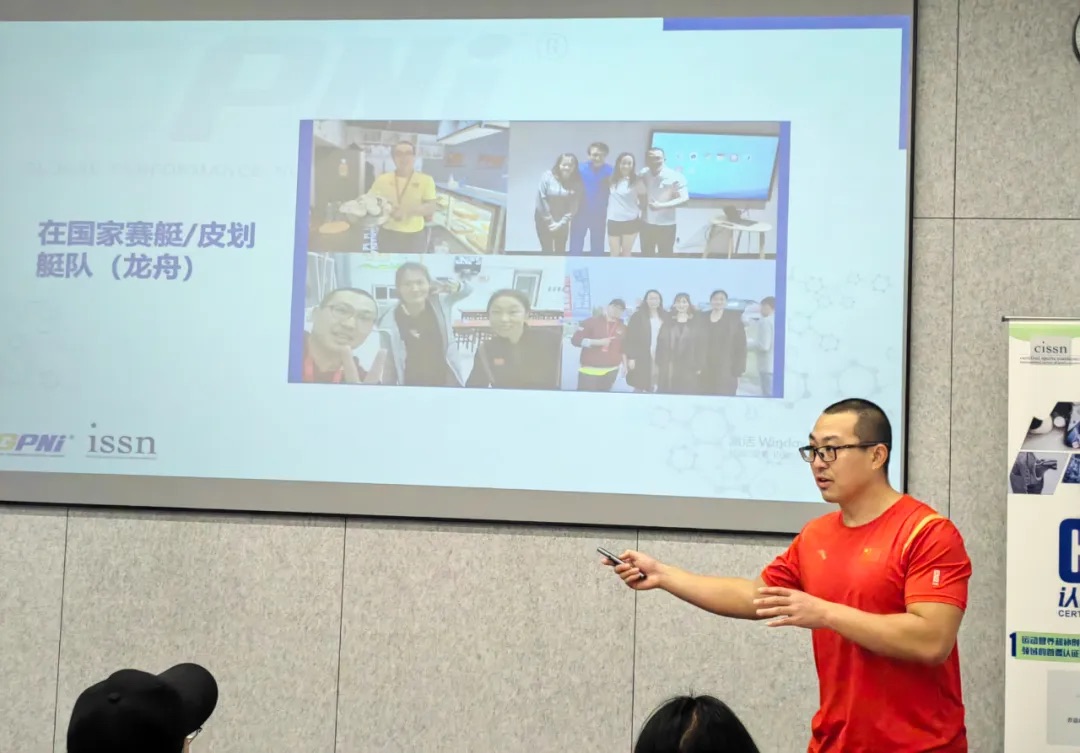
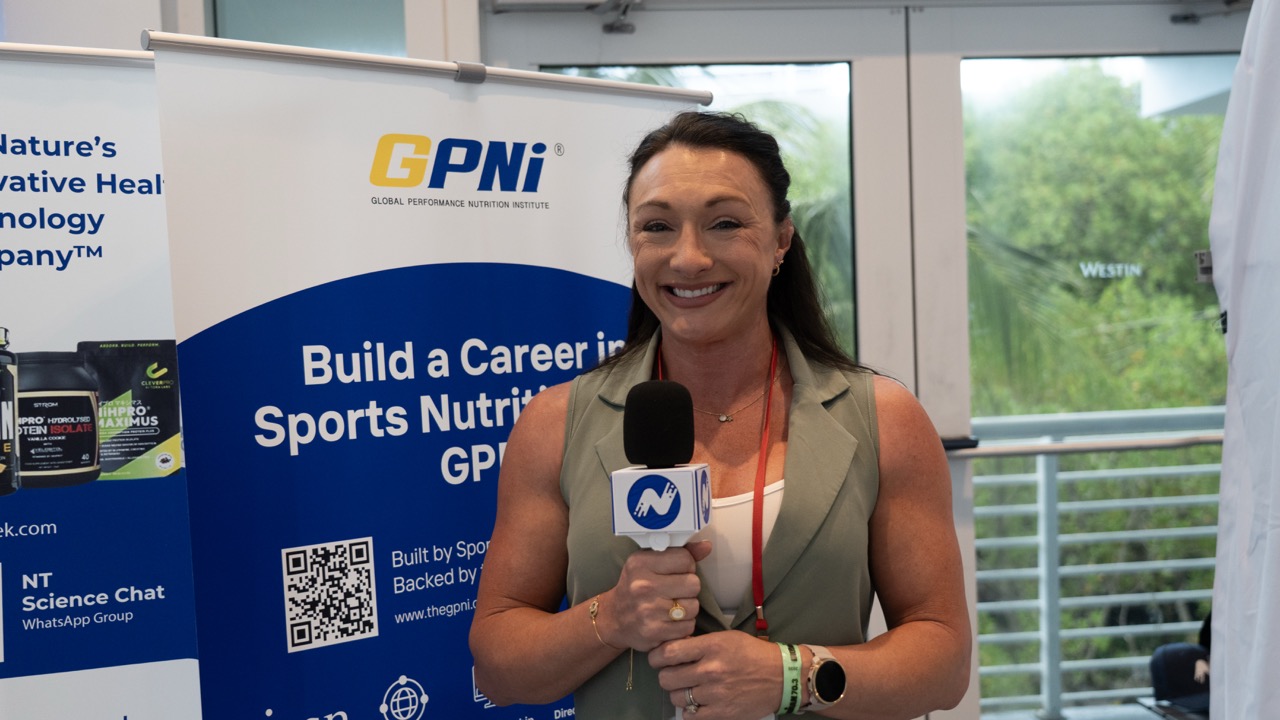
Some professionals enter sports nutrition through academia. Others come from the gym floor where real people, real constraints, and real misinformation show up daily. Peng Xie is a strong example of the second route: a coach who leaned into structured learning, then transitioned into teaching with a style students remember because it’s both rigorous and practical.
What You’ll Learn:
How coach experience becomes teaching credibility
What impressed him most about ISSN-style evidence and curriculum depth
How he thinks about supplements (especially multi-ingredient pre-workouts)
What habits he believes keep a career growing
Quick Profile

Name: Peng Xie, CISSN, ACSM-CASM CPT
Role: GPNi® China Instructor
Experience: Former nutritionist of the Chinese national training team for the Olympic Games
Credential: ISSN-aligned certification pathway (SNS/CISSN context)
Teaching Style: Highly engaging, memorable delivery rooted in evidence
1) The Moment That Changed His Trajectory: “This Is the Course I Wanted”
In the original story, Peng described arriving in Shanghai thinking he was early then realizing he misread the schedule and the course had already started. He rushed in and missed the first hour… and still described the experience as unforgettable. What impressed him most wasn’t hype. It was the teaching standard:
- Each claim supported by data and examples
- Deep coverage across nutrients and supplements
- A systematic, evidence-led structure
Student takeaway: A serious curriculum changes you because it upgrades your standard for “what counts as knowledge.”

2) Becoming an Instructor: Learning Content + Learning Delivery
He described instructor training that wasn’t only about content:
- Fundamentals
- Teaching skills
- A speaking/teaching assessment
That matters because sports nutrition is not only science it’s also communication, behavior change, and problem-solving.
3) “Online vs. In-Person”: Keep the Story, Update the Reality
His early teaching memories included an in-person course experience (and the pressure of presenting a translated textbook precisely). Today, the practical reality for global students is online learning. Learners can take SNS/CISSN coursework via GPNi® 100% online, on-demand. GPNi® also emphasizes on-demand learning among its education formats. GPNi® is the official exclusive global platform and partner for The International Society Of Sports Nutrition (ISSN) courses.

4) Supplements: Curiosity with Boundaries (MIPS, CLA, Carnitine)
Peng shared that he personally enjoys training and is interested in multi-ingredient pre-workout supplements (MIPS), while also reminding students to evaluate ingredients and dosing carefully.
Science context: A review on MIPS suggests potential as an ergogenic aid but emphasizes the need to investigate ingredients and that long-term safety/efficacy evidence is still developing. He also cautioned students not to treat popular “fat-loss supplements” as guaranteed an attitude consistent with evidence-based practice: many claims are mixed, context-dependent, or simply overstated.
5) His Career Advice to Practitioners
Stay in learning mode
Keep passion
Communicate and connect with peers
Remain optimistic and consistent
Student takeaway: Careers are built by durable habits, not motivational spikes.

6) ISSN × GPNi®: A Practical Pathway Students Can Follow
If you’re inspired by this transition (coach → instructor), build your plan around structure:
- GPNi® is the official exclusive global platform and partner for The International Society Of Sports Nutrition (ISSN) courses.
- GPNi® courses and ISSN certification can be taken via GPNi® 100% online, on-demand.
- Choose the right path for you and start your journey to becoming an internationally recognized ISSN Sports Nutrition Specialist.
FAQ
Are MIPS “good” or “bad”?
Neither by default. Evaluate ingredients, dosing, tolerance, and safety. Evidence suggests promise but calls for careful investigation and more long-term data.
What’s the fastest way to become credible?
Use evidence-based frameworks, document your practice, and keep learning through structured pathways.







 Instagram
 Facebook
 YouTube
 Twitter
 Linkedin