Brain Bites


Does a Ketogenic Diet Improve Athletic Performance? What the Evidence Actually Shows
Does a ketogenic diet improve athletic performance? Explore what current evidence says about fat oxidation, exercise economy, training quality and sport-specific performance.
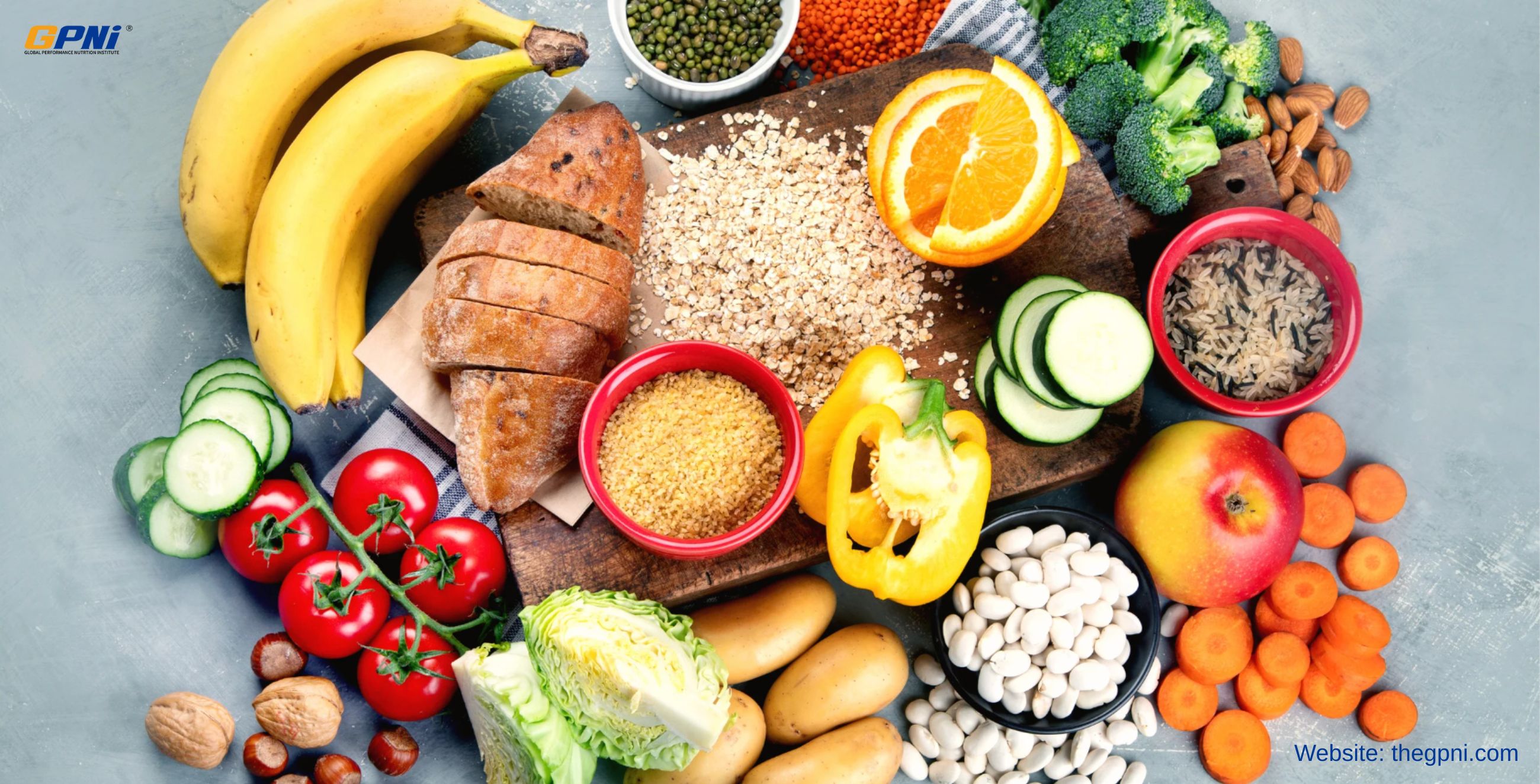
Carb Loading Has Changed: Why You Probably Don’t Need a Depletion Phase
Learn how carbohydrate loading has evolved from the classic depletion–repletion model to modern evidence-based strategies for maximizing muscle glycogen and endurance performance.
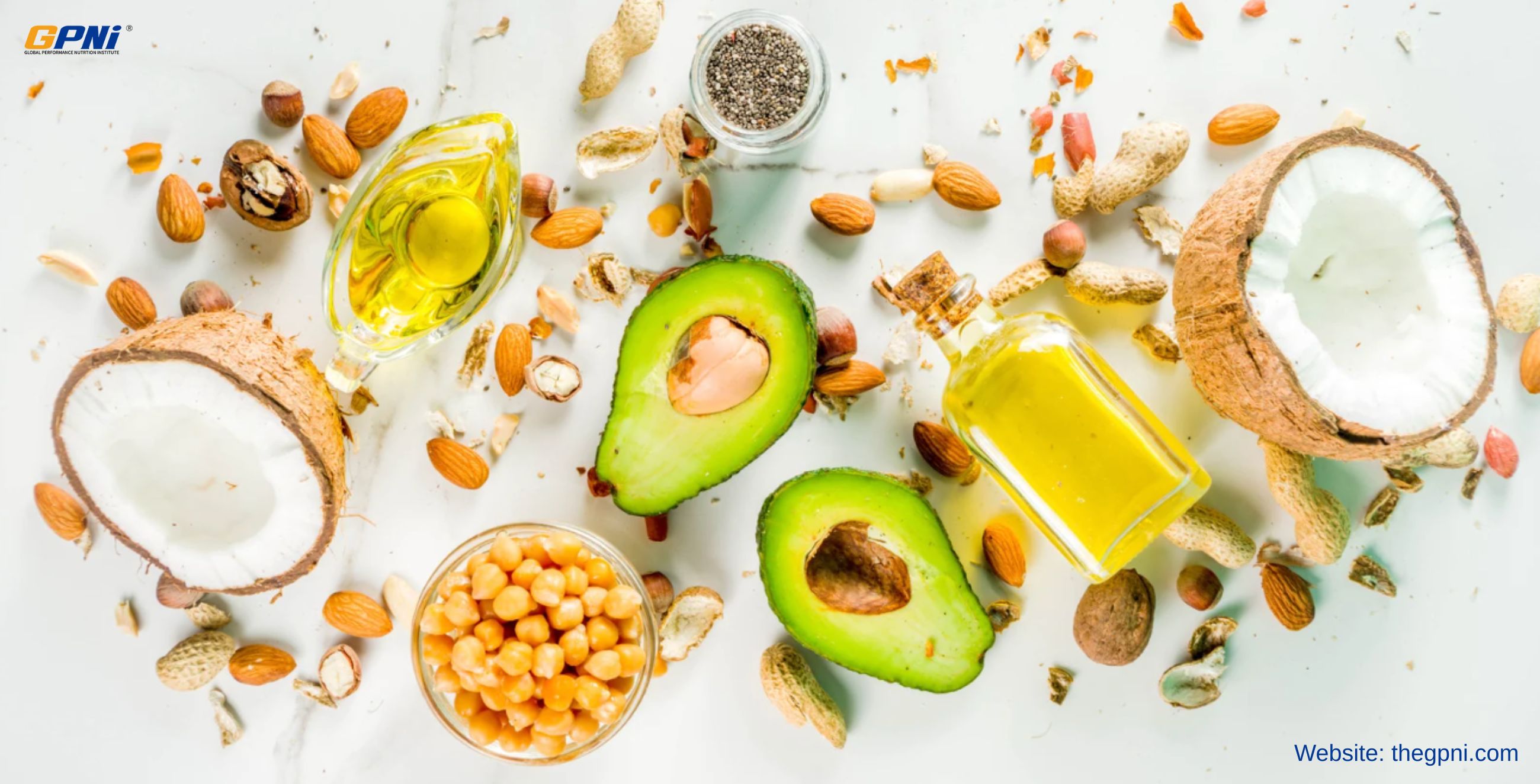
What Is the Healthiest Type of Fat? Why Fat Quality Matters for Health and Performance
Unsaturated fats are often called the healthiest fats—but why? Explore the evidence on fat quality, heart health, and practical nutrition for performance.

Can Breakfast, Water, and Exercise Really Increase Your Metabolism?
Can eating breakfast, drinking water, and exercising really increase metabolism? Explore what the evidence says and how these habits support energy expenditure and athletic performance.

Daily Values Are Useful—but They Are Not an Athlete’s Nutrition Plan
Daily Values help athletes read nutrition labels, but they are not performance targets. Learn how to interpret %DV for protein, carbohydrate, sodium and micronutrients.

Trans Fats, Saturated Fats, and Heart Disease: What the Evidence Really Says
Diets high in trans fats and saturated fats are linked with increased heart disease risk. Learn how fat quality affects LDL cholesterol, heart health, and better food choices.
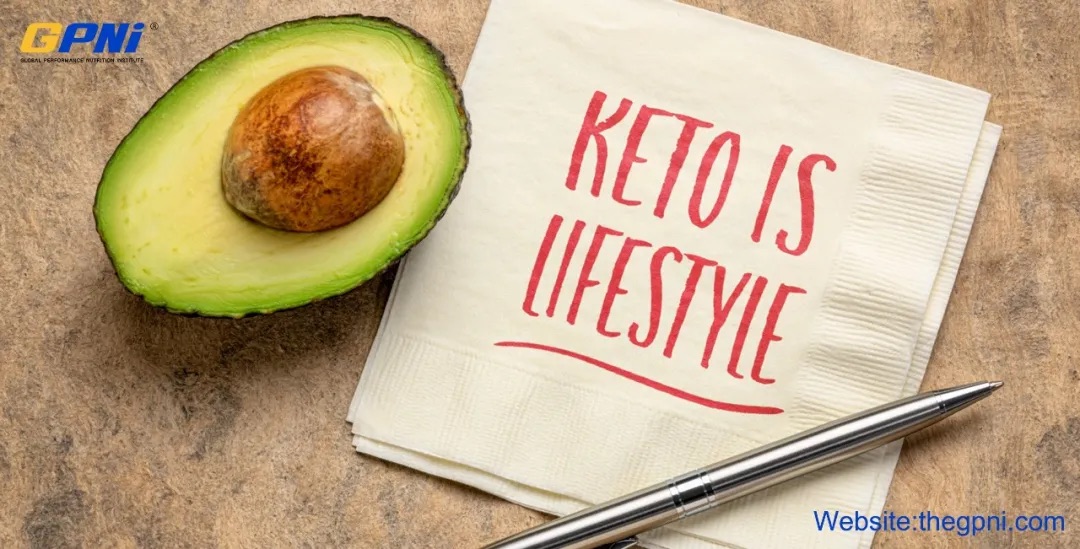
Ketoacidosis: When Ketone Production Goes Too Far
Ketoacidosis occurs when excessive ketone production makes the blood dangerously acidic. Learn the difference between nutritional ketosis and ketoacidosis in this GPNi science article.

Is Excess Sugar Really Stored as Fat?
Excess sugar can be stored as fat, but the process depends on energy needs, glycogen storage, and overall calorie balance. Learn the evidence-based explanation behind this common nutrition question.
Article Categories
Insights from PhDs
Words from Chairman
Student Testimonials
Science Spotlight
Career News
Brain Bites
Webinars & Conferences
Performance Nutrition
Journal & Research
Find us on


Subscription
Subscribe to our newsletter and receive a selection of cool articles every week
Follow us on Instagram
Stay connected and get the latest updates.


 Instagram
 Facebook
 YouTube
 Twitter
 Linkedin