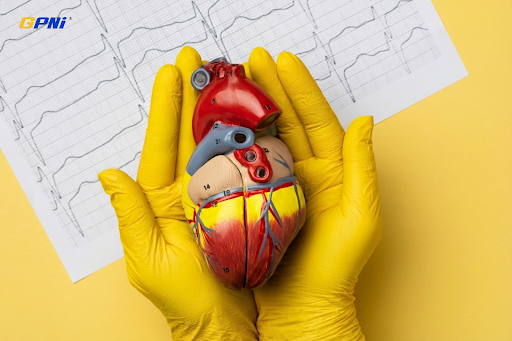
It is true that not all cholesterol behaves the same in the body. One particular type of cholesterol is protective for the heart. HDL is often called “good cholesterol,”.
Let's begin with a quick test:
Q. What is "good cholesterol" and what can reduce heart disease risk?
- High-density lipoprotein
- Low density lipoprotein
- Lipoproteins of very low density
- Chylomicron
Answer: a) High density lipoprotein
What is HDL? Why does it have the name "good" cholesterol?

High-Density Lipoprotein is a "good cholesterol". This is because it regulates cholesterol levels in the body. HDL does not contribute to the buildup of plaque in arteries. Instead, it helps remove excess cholesterol .
HDL particles are circulating in the blood and collect unused or excessive cholesterol from the tissues, including the linings of blood vessels. The HDL particles then transport the cholesterol back to liver where it can either be recycled or safely eliminated . This process is called reverse cholesterol transportation.
HDL Protects Heart
HDL promotes cardiovascular health by removing cholesterol from the arteries.
- Reduces cholesterol accumulation in arterial walls
- Reduces the risk of plaque formation or atherosclerosis
- Reduces the risk of heart disease over a long period
Higher levels of HDL have been associated with better heart health and a healthier lipid panel.
HDL Moves More Than Cholesterol
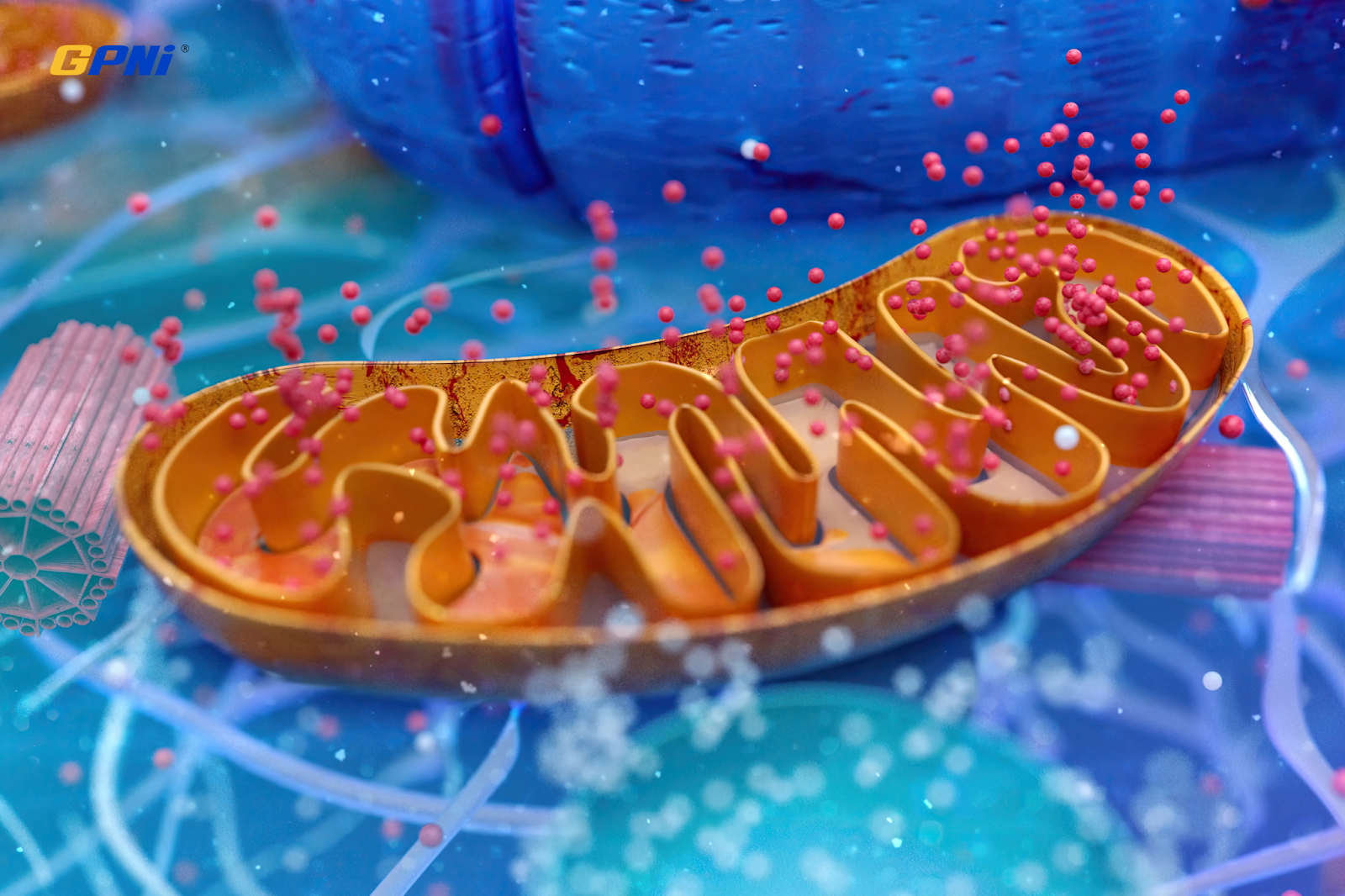
HDL plays a role in protecting the blood vessels as well as being a cholesterol carrier.
Research has shown that HDL has anti-inflammatory qualities. These properties help maintain the integrity of the vascular systems. HDL also demonstrates anti-oxidant activity and helps protect bad cholesterol against oxidative damage. Oxidized LDL contributes more to unstable plaques that increase cardiovascular risk.
HDL is viewed by many as more than a passive marker.
Why HDL is Important for Athletes and Active People
HDL is an important part of the larger cardiometabolic picture for athletes and physically active people. While the focus of performance is often on body composition, recovery and fueling, heart health remains important.
Lifestyle habits such as regular physical activity, balanced diet, and quitting smoking can help maintain healthy HDL levels. These lifestyle habits are not only beneficial to athletic performance, but also provide long-term protection for the cardiovascular system.
The Big Picture

HDL is essential for maintaining heart health. It removes excess cholesterol, reduces inflammation and protects blood vessels. HDL is only a part of the lipid profile but it remains an important marker for cardiovascular health and disease prevention.
HDL is a molecule that helps to keep cholesterol in the right direction, out of arteries, and towards the liver.
References:
Rader, D. J., & Hovingh, G. K. (2014). HDL and cardiovascular disease. Lancet, 384(9943), 618–625.
Kontush, A., & Chapman, M. J. (2010). Antiatherogenic functions of HDL. Journal of Lipid
Research, 51(8), 3124–3133.













 Instagram
 Facebook
 YouTube
 Twitter
 Linkedin