The nutrition you consume before exercising can make or ruin a workout or competition. Carbohydrates are a key component of this puzzle. If you get it right, you will have more energy, focus, and power. If you get it wrong, your performance will suffer regardless of how fit you may be.
Let's begin with a question.
Q. What is the recommended carbohydrate consumption in the 60 minutes prior to exercise (g/kg?
- 1-4
- 2-5
- 8-9
- 4-6
Answer: 1) 1-4
Why carbohydrates are important before training
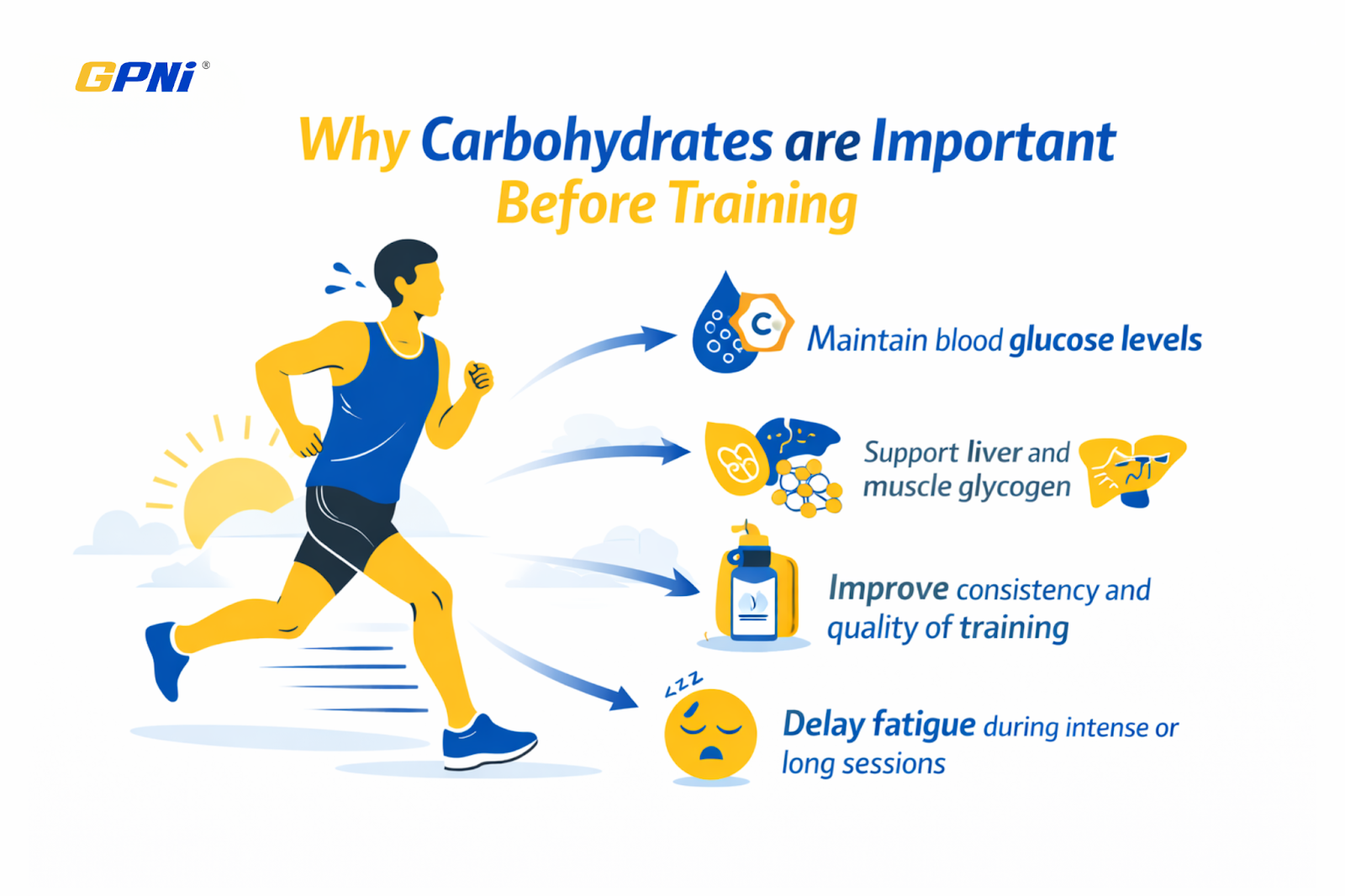
Carbohydrates provide the body with its primary fuel during moderate to high intensity exercise. Athletes who are low on carbohydrate will often have a slower pace, lower power output and fatigue earlier.
Consuming carbohydrates before exercising helps.
- Maintain blood glucose levels
- Support liver and muscle glycogen
- Consistency and quality of training can be improved.
- Delay fatigue after intense or long sessions
Shortly, starting an exercise session without enough fuel will limit your performance.
How much carbohydrate do you actually need?
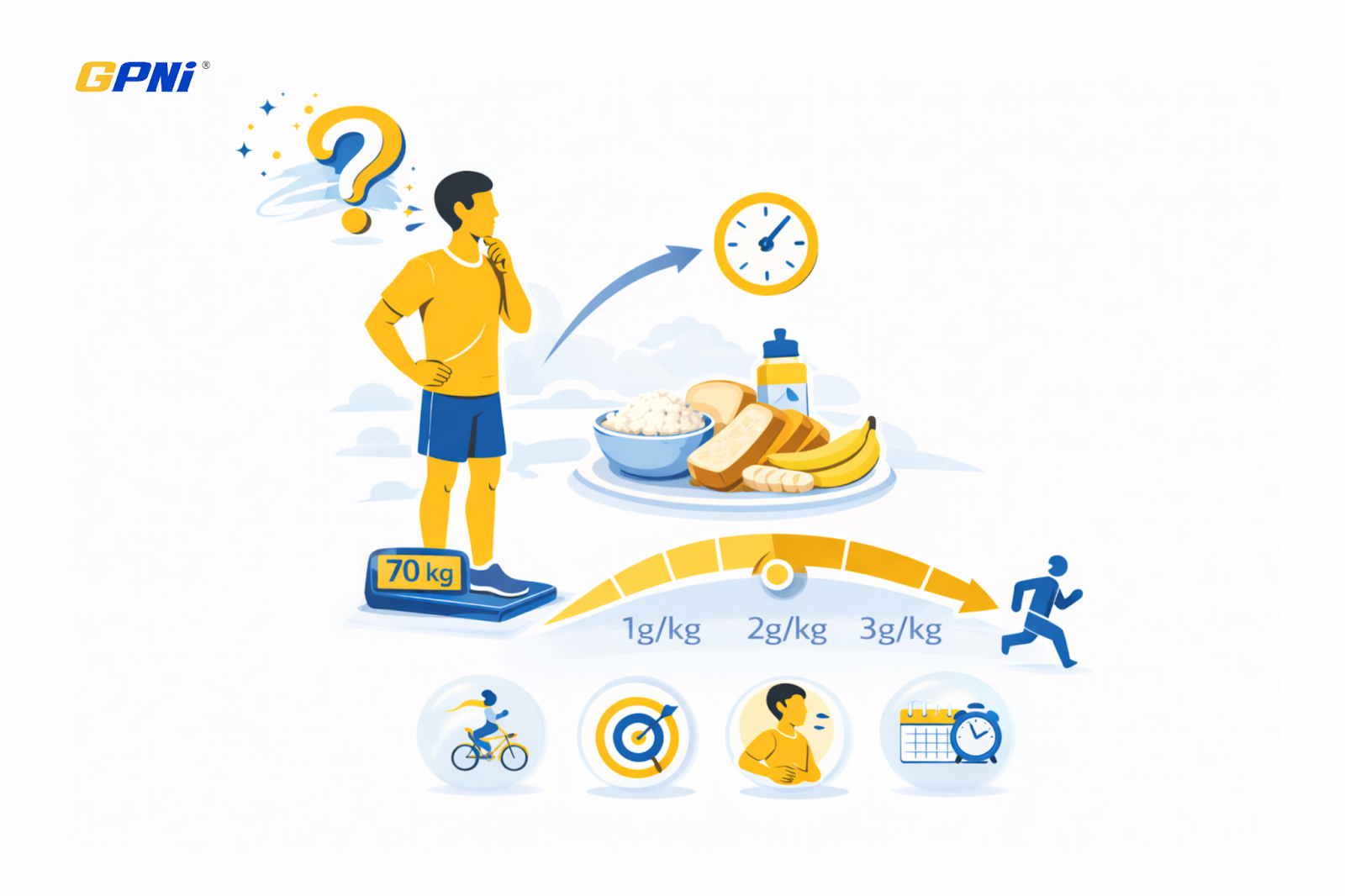
Sports nutrition guidelines recommend consuming 1-4 grams of carbohydrates per kilogram of body weight within the first 1-4 hours of exercise. This range is flexible depending on the timing, digestion and type of session.
Lower end of range is usually best the closer you get to your training.
Examples of Practical Example
A 70 kg athlete should:
- Eat a meal 3-4 hours before exercising:Aim for 4 g/kg(280 g carbohydrates) when eating a large meal before a demanding or long session or competition.
- Aim for about 1 hour before exercising:
Target 1- 2-g/kg(70-140g of carbohydrates), with a focus on low-fiber, easy-to digest options, such as white bread, rice or sports drinks.
This method helps to fuel performance without causing stomach discomfort.
What is your weight in the range of 1-4g/kg?
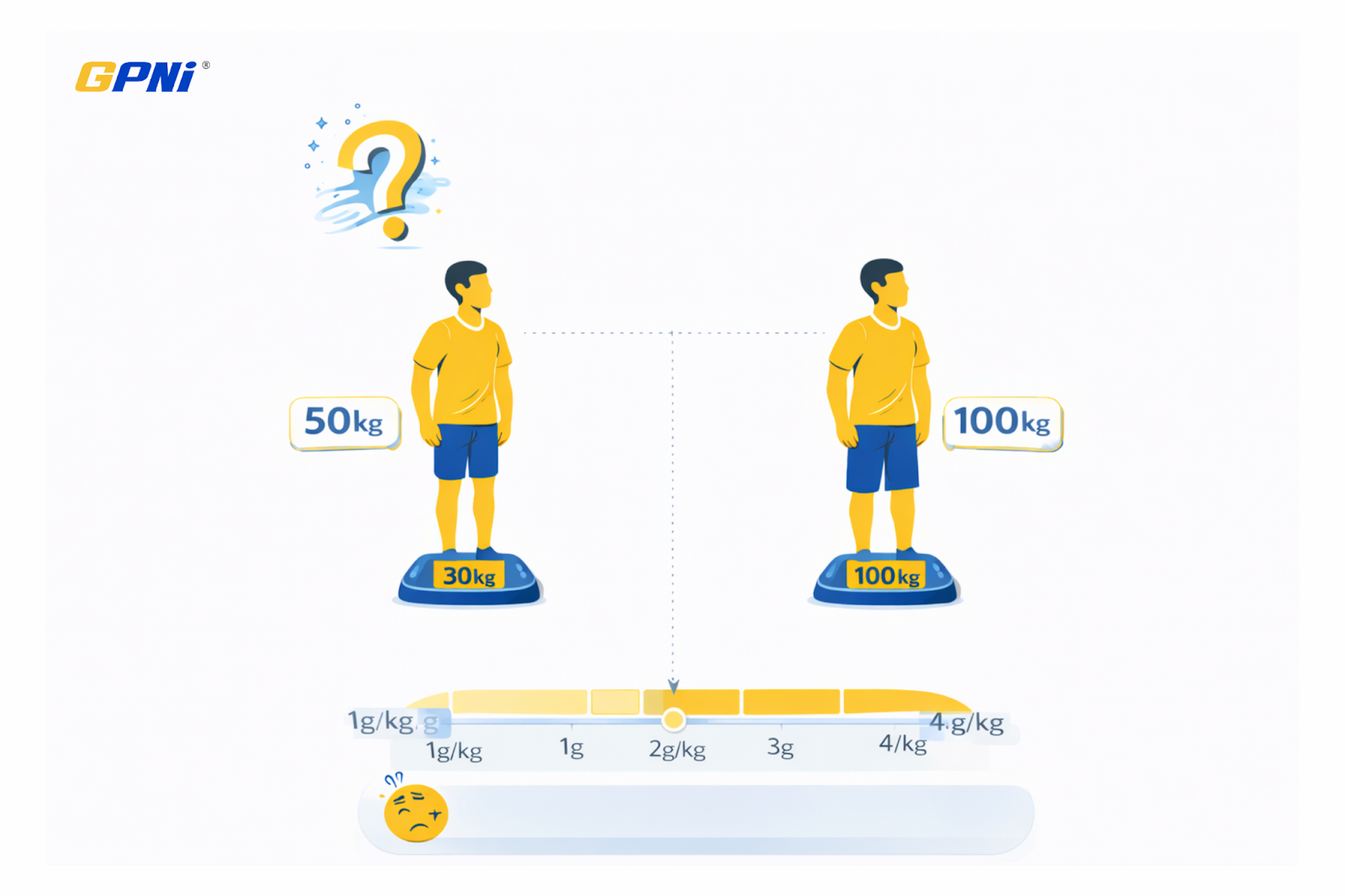
There is no "right" carbohydrate amount before training. The 1- 4-g/kg guidelines are influenced by several factors:
- Types of sports or events – Longer endurance sessions or those with a higher intensity often require a higher end.
- Training Goal- Sessions focusing on performance vs. sessions focused on light skills or recovery work
- Gut Comfort – Athletes who are prone to digestive issues should stay at the lower end.
- Timing, logistics, and team schedules- Travel, early start times, or team schedules are important
- Practice – Fueling for pre-exercise should be done in training and not just on race day
The Takeaway
Don't forget to eat carbohydrates before training.
To support:
- Better energy levels
- Training sessions of higher quality
- Performance that is more consistent over time
Smart carbohydrate intake is the key to success, whether you are preparing for a competition or an intense training session.















 Instagram
 Facebook
 YouTube
 Twitter
 Linkedin