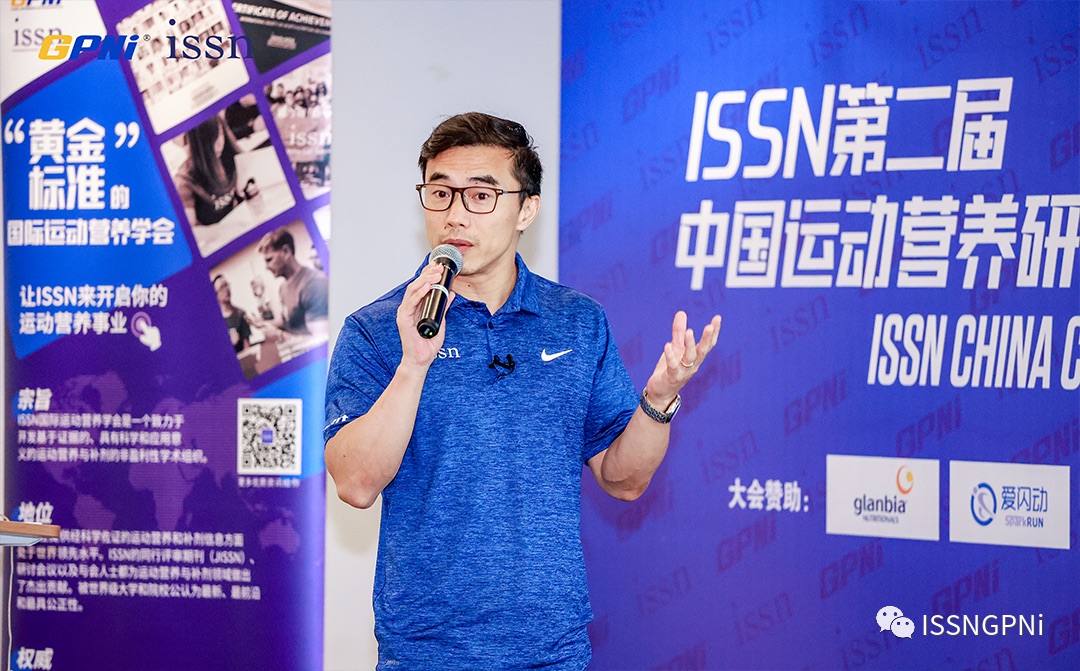
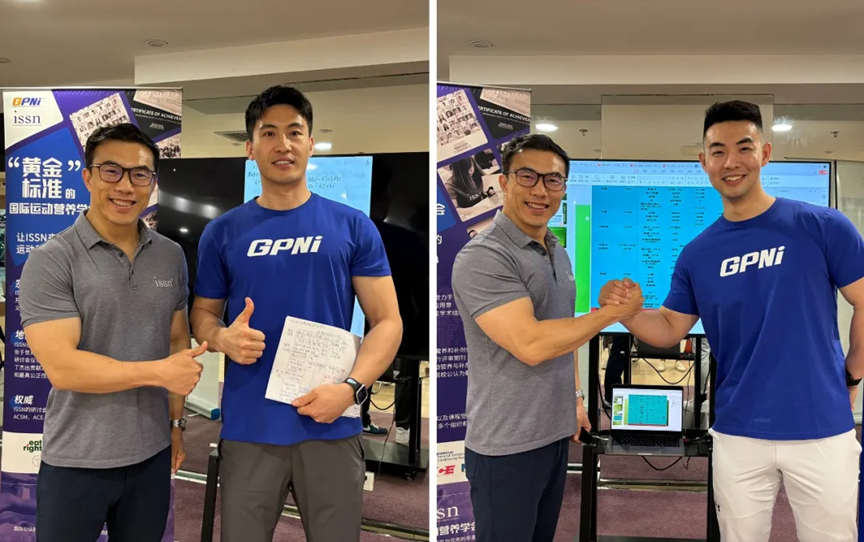
Long careers in sports nutrition aren’t built on hype. They’re built on standards: evidence literacy, repeatable teaching methods, and professional integrity. In the original interview, Steven Shen described a multi-decade path through fitness and sports nutrition education, eventually aligning with ISSN’s systematic approach and becoming a senior educator whose students remember both the rigor and practicality.
What You’ll Learn:
Why he shifted from “doing” to “teaching” as the highest leverage
How ISSN-aligned standards influenced his approach to education
How he thinks about supplements, especially protein as a foundational tool
What students should copy if they want long-term credibility
Quick Profile
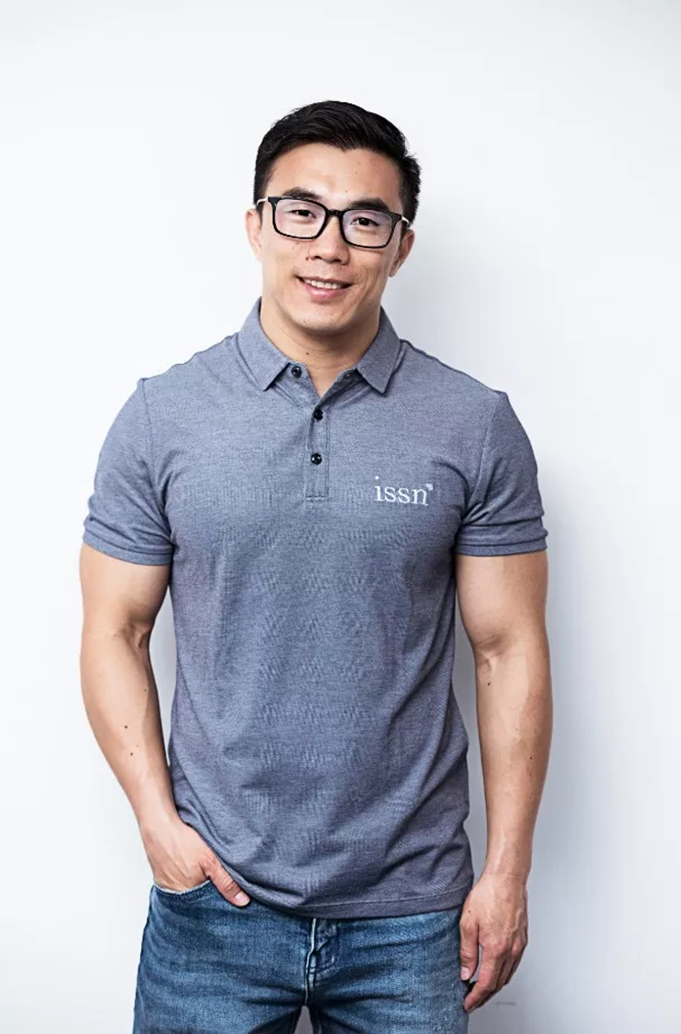
Name: Steven Shen
Role: GPNi® China Instructor
Title:
VISTA International Clinic Private Nutrition Customization Expert
Sports Nutrition Course Consultant of Under Armour China
Career Theme: Sports nutrition education and system-building over decades
Student Value: Shows how credibility compounds through education
1) Why Sports Nutrition (and why education)?
He described early interest in exercise biochemistry, then years in the fitness industry, and eventually a shift toward sports nutrition education because education scales impact:
- One coach becomes hundreds
- One lesson becomes thousands of client outcomes
Student takeaway: Teaching is a career multiplier if your standards are high.
2) First Contact with ISSN-style Rigor: “The System Impressed Me”
In the original interview, he emphasized that ISSN-aligned courses felt more systematic and rigorous than many mainstream offerings:
- Structured logic
- High evidence density
- Clear application value
He also described high personal investment in note-taking and study, treating the course as “no missed details.”
3) Teaching a Practical Certification: Results Students Can Apply
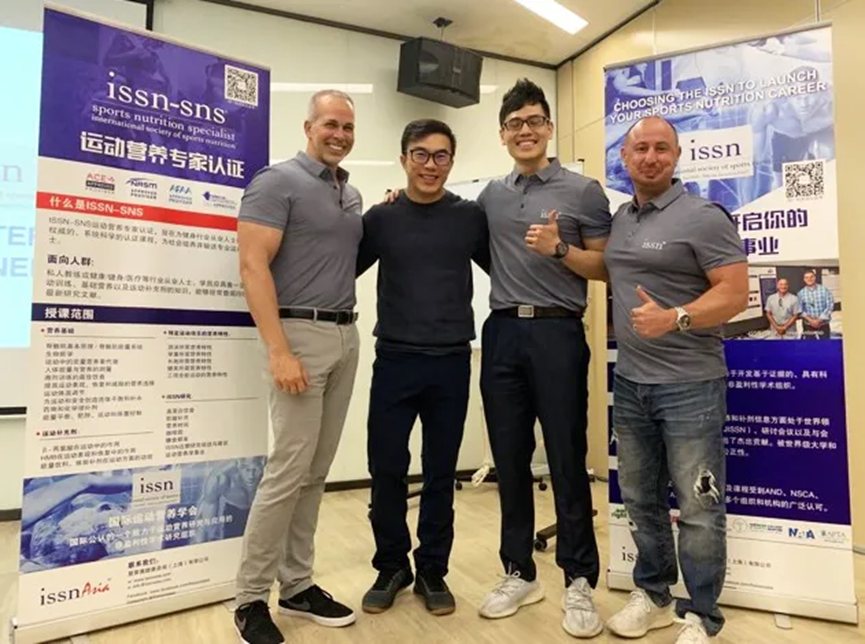
He framed skill-based certification education as practical: students should leave able to build real plans and deliver value ethically.
Student takeaway: A credential matters most when it changes your real-world capability.
4) Supplements: Enthusiasm, but with Hierarchy and Safety
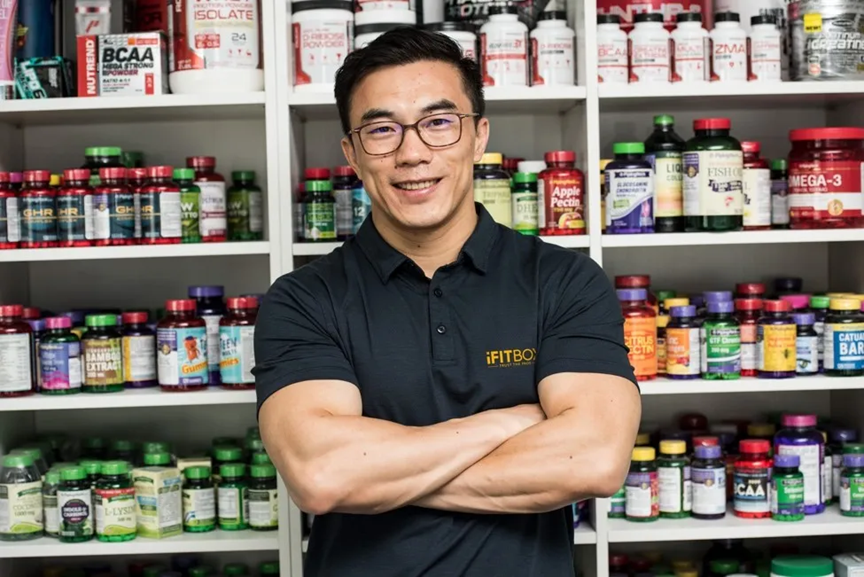
Steven shared a personal preference for whey protein “not only for muscle, but for health,” in his words.
Science context:
- ISSN’s protein position stand summarizes evidence for healthy exercising individuals and provides pragmatic intake guidance.
- For any supplement conversation in sport, contamination and anti-doping risk must be acknowledged; anti-doping education stresses that no supplement can be guaranteed free of prohibited substances, and risk reduction matters.
5) “Then vs Now”: Keep the Legacy, Modernize the Access
The original interview references earlier in-person learning eras. Today, GPNi® states SNS/CISSN certification is available via GPNi® 100% online, on-demand. That means students can keep the same “rigor standard,” with a modern delivery mode.
6) ISSN × GPNi®: The Student Pathway Steven’s Story Points To
- Start with a structured foundation (core sports nutrition principles)
- Study within a recognized certification framework
- Build a teaching/practice system so knowledge becomes repeatable skill
GPNi®’s portal explicitly positions PNE Level-1 + ISSN-SNS as a foundation route leading toward advanced study. ISSN also explains CISSN as a more advanced credential than SNS.
FAQ
Is protein supplementation necessary?
Not always, but it can be a practical tool to meet protein targets when food logistics make it difficult.
What’s the biggest mistake students make about supplements?
Chasing novelty and ignoring risk management (quality control and contamination).








 Instagram
 Facebook
 YouTube
 Twitter
 Linkedin