
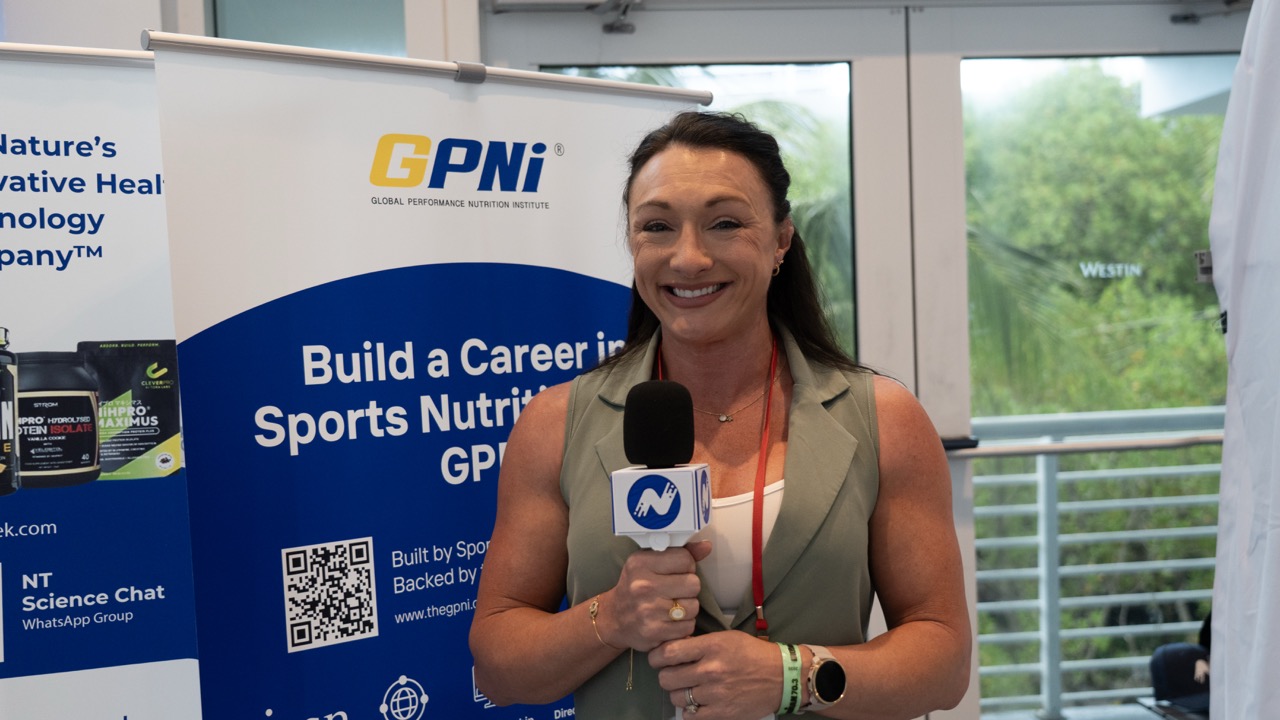
GPNi® is an ISSN partner and shares educational highlights from ISSN Conferences. This article summarizes an ISSN 2025 presentation led by Melanie Sulaver (Boehmer), MS, RD, CDN, CISSN, focusing on prevention of low energy availability (LEA) in adolescent female athletes.
Why Adolescence is Uniquely High-Stakes
Girls develop about 90% of their bone mass by age 18 early deficits can reduce the “bone bank” they carry into adulthood. If a teen athlete chronically under-fuels (whether by eating less, training more, or both), the consequences can show up as menstrual disruption, impaired bone health, frequent injuries, and performance instability often before anyone labels it as LEA/REDs.
Key Takeaways:
- LEA is an energy mismatch, not simply “an eating disorder.” It can come from training load, environment, scheduling, or knowledge gaps.
- LEA exists on a continuum; prolonged or severe exposure can progress to broader impairment, often discussed under REDs frameworks.
- Adolescence is high-risk because bone and endocrine systems are still developing; under-fueling can have outsized downstream impact.
- Prevention works best when it’s system-level: communication + culture + multidisciplinary support.

About the Speaker (ISSN)

Melanie Sulaver (Boehmer), MS, RD, CDN, CISSN
Sports dietitian specializing in women athletes (including pre/postnatal) and disordered eating; founder of Nutrition By Mel; experience consulting across performance populations.
LEA vs REDs: What These Terms Mean in Practice
Modern consensus discussions describe LEA as a state where dietary energy intake is insufficient to support the energy needs of health and performance after accounting for exercise demands, and emphasize that consequences can affect multiple systems when exposure is prolonged.
Important: LEA does not require intentional restriction. It may be accidental (busy schedules, travel, appetite suppression after training, lack of meal access, fear of weight gain, etc.).
Common Drivers of LEA in Teens (What Coaches Often Miss)
1. Social and aesthetic pressure
- Body image dissatisfaction
- Sport-specific “look” expectations
2. Training environment
- High training volume with inadequate recovery
- “Toxic” performance culture (weight talk, shame-based motivation)
3. Knowledge and resource gaps
- Nutrition literacy
- Limited food availability at school/training
- Low cooking ability, financial constraints
4. Eating and psychological patterns
- Disordered eating behaviors (with or without formal diagnosis)
Red Flags: When to Take Action (Especially in Adolescent Girls)
- Delayed puberty or stalled development
- Irregular menses or amenorrhea
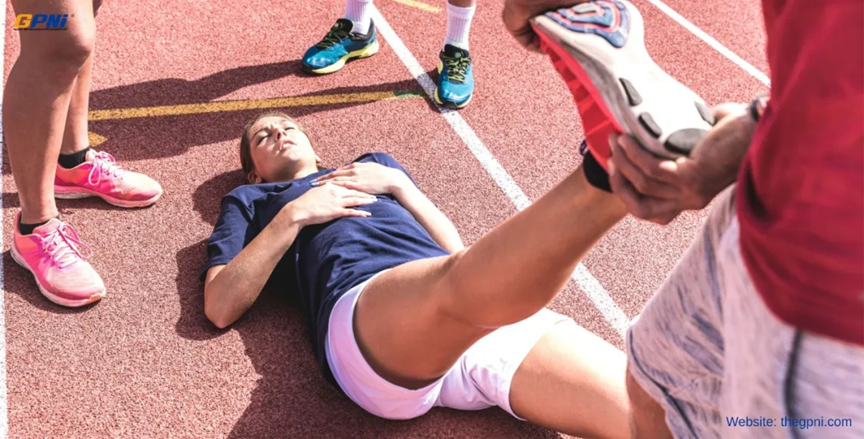
- Recurrent stress injuries / stress fractures
- Persistent fatigue, low mood, frequent illness, performance volatility
Prevention Framework (The 3-Step System GPNi® Recommends)
Step 1) Start the conversation - without judgment
Use neutral, observable facts:
- “I noticed you’re skipping team snacks.”
- “I saw you haven’t taken a rest day in weeks what’s driving that?”
Keep the goal: support, not accusation.
Step 2) Shift team culture (coaches matter here)
- De-emphasize body weight as the primary performance lever
- Stop assuming “leaner = faster/stronger”
- Normalize rest, fueling, and asking for help
Step 3) Build a multidisciplinary support net
Minimum recommended network:
- Sports medicine / physician
- Registered dietitian / sports nutritionist
- Mental health professional
- Physical therapist / rehab support

Screening Tools (Examples Used in Practice)
EDE-Q: Commonly used to screen eating-disorder-related symptoms (psychological features).
LEAF-Q: Designed to identify LEA risk symptoms in endurance female athletes.
Note: Questionnaires do not “diagnose.” They help teams decide who needs deeper assessment.
FAQ
Q1: Is LEA only a female issue?
No, males can also experience LEA and REDs-related impairment.
Q2: What’s the biggest mistake teams make?
Waiting until injuries pile up. In adolescence, early action matters because development windows are time-sensitive.
If you want to view the complete presentation document, please join the GPNi® membership. The GPNi® website regularly updates the presentation documents of the ISSN Conferences. Becoming a GPNi® member will allow you to access more professional sports nutrition literature.
References
Melin A, Tornberg ÅB, Skouby S, et al. The LEAF questionnaire: A screening tool for the identification of female athletes at risk for the female athlete triad. Br J Sports Med. 2014;48(7):540-545. doi:10.1136/bjsports-2013-093240
Mountjoy M, Sundgot-Borgen J, Burke L, et al. International Olympic Committee (IOC) consensus statement on relative energy deficiency in sport (RED-S): 2023 update. Clin J Sport Med. 2023;33(4):335-358. doi:10.1097/JSM.0000000000001081
Nattiv A, Loucks AB, Manore MM, Sanborn CF, Sundgot-Borgen J, Warren MP. American College of Sports Medicine position stand: The female athlete triad. Med Sci Sports Exerc. 2007;39(10):1867-1882.
Disclosure: Educational summary from an ISSN session shared via GPNi® as an ISSN partner; not medical advice. For adolescents, involve qualified healthcare professionals.










 Instagram
 Facebook
 YouTube
 Twitter
 Linkedin