All Articles
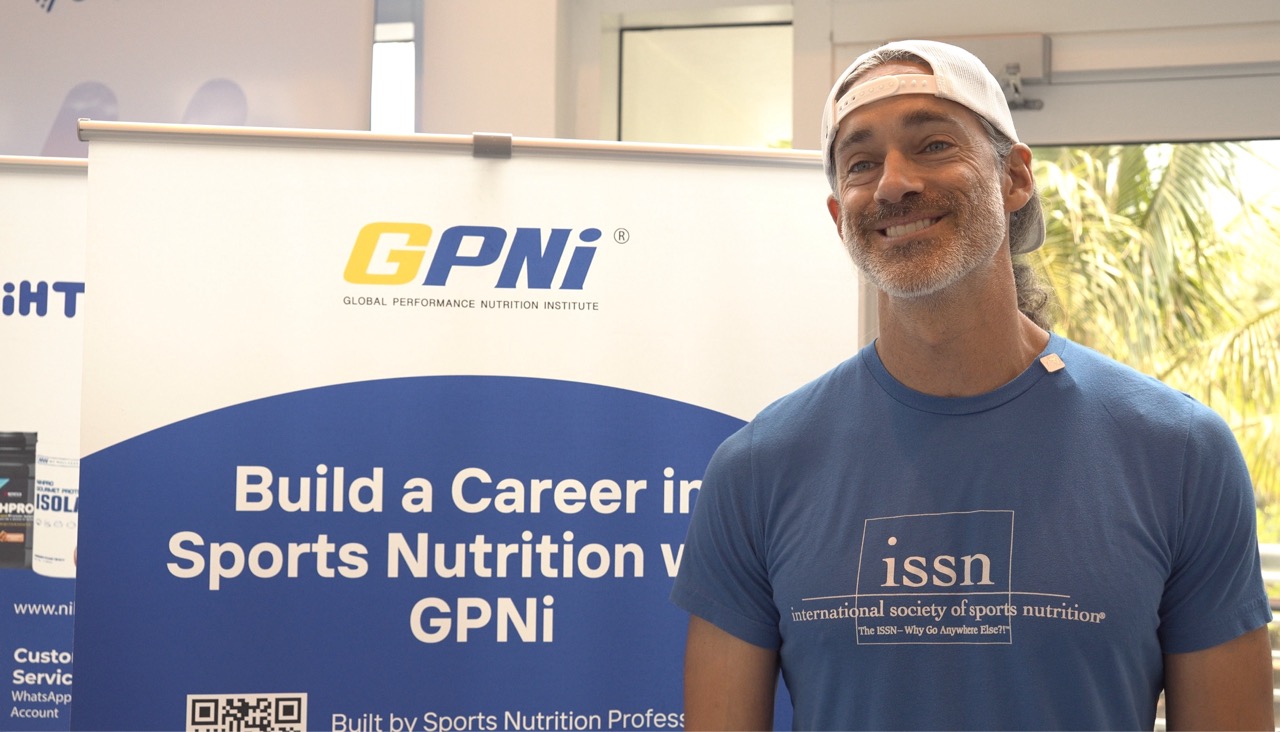

GPNi® Career Insights | More Than 15 Years In, He Is Still Figuring Things Out
Erik Bustillo shares an honest view of career uncertainty, scientific communication, ethics, networking, and long-term credibility in sports nutrition.
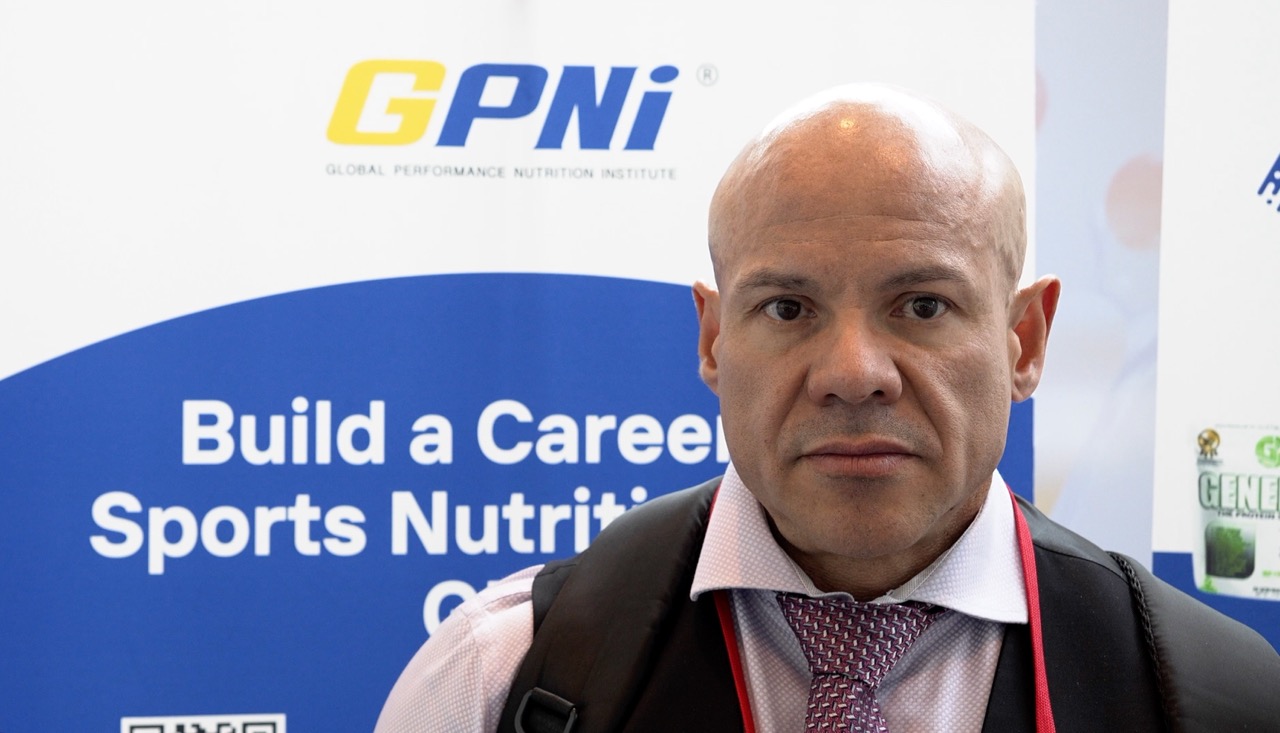
GPNi® Career Insights | One Career, Many Paths Through Sports Nutrition
Dr. Guillermo Escalante shows how sports medicine, nutrition, research, teaching, business, and professional leadership can form one career.
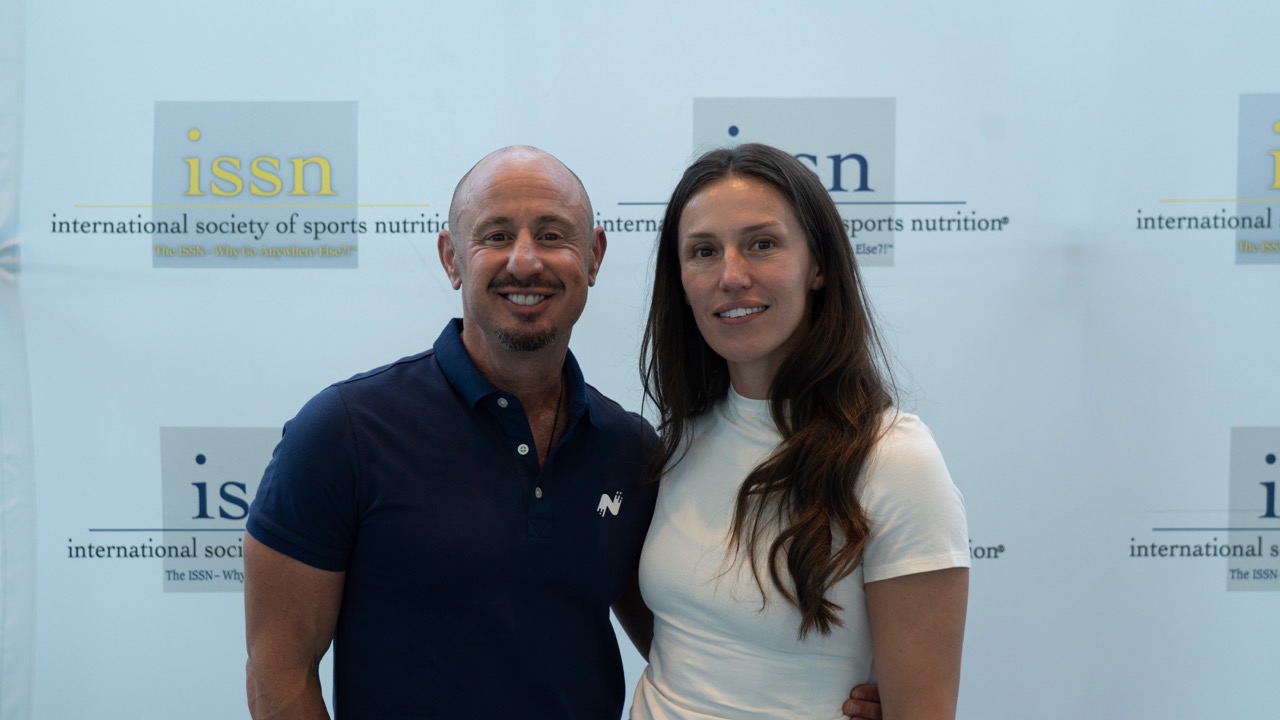
GPNi® Career Insights | From a Student Poster to the ISSN Stage
Dr. Cassie Evans reflects on moving from a nervous student poster presenter to the ISSN stage, and why asking for opportunities matters in sports nutrition.
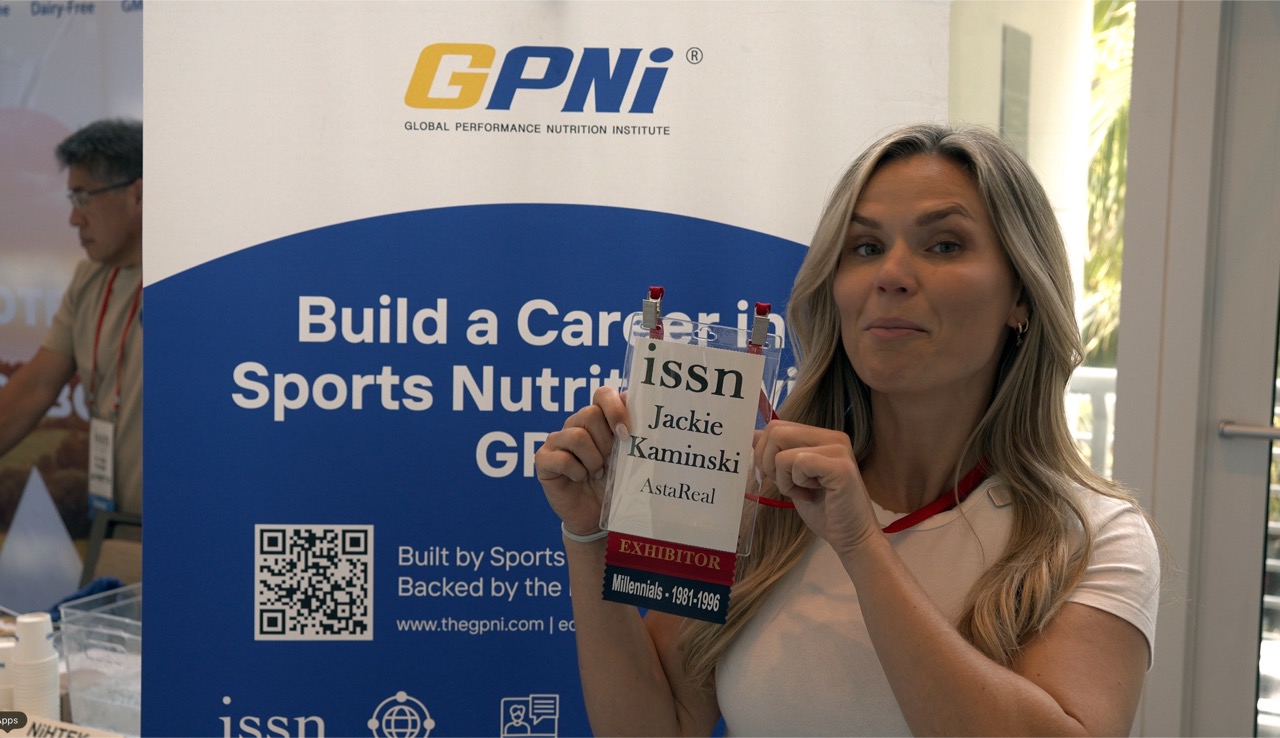
GPNi® Career Insights | She Didn't Wait for the Perfect Role. She Built Her Own.
Jackie Kaminski explains how a competitive UFC internship, real-world experience, and professional relationships helped her build The Fight Nutritionist.
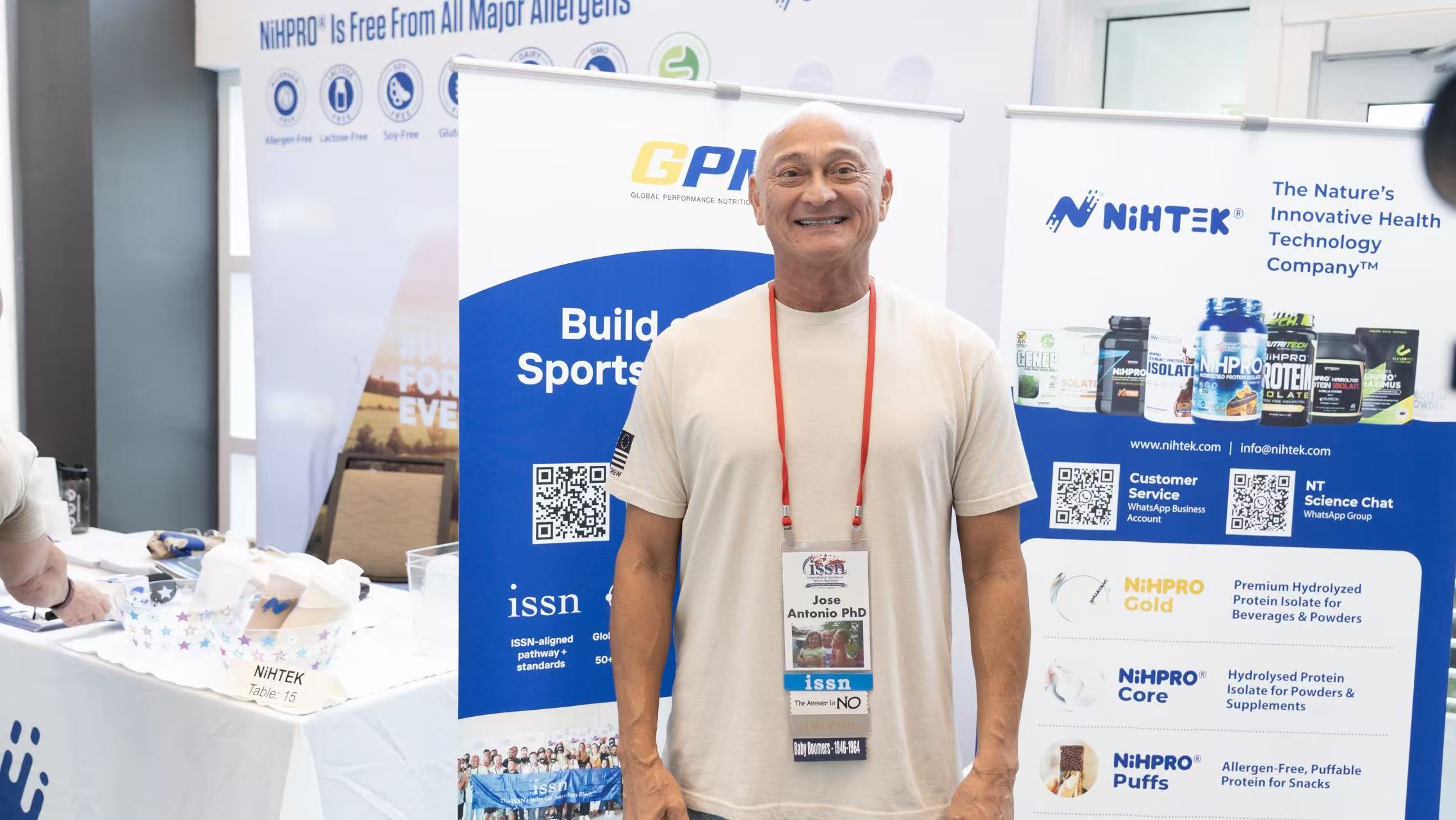
GPNi® Career Insights | He Didn't Just Enter the Field. He Helped Build It.
ISSN co-founder Dr. Jose Antonio reflects on helping build sports nutrition as a profession, the value of face-to-face connection, and why career growth is an endurance test.
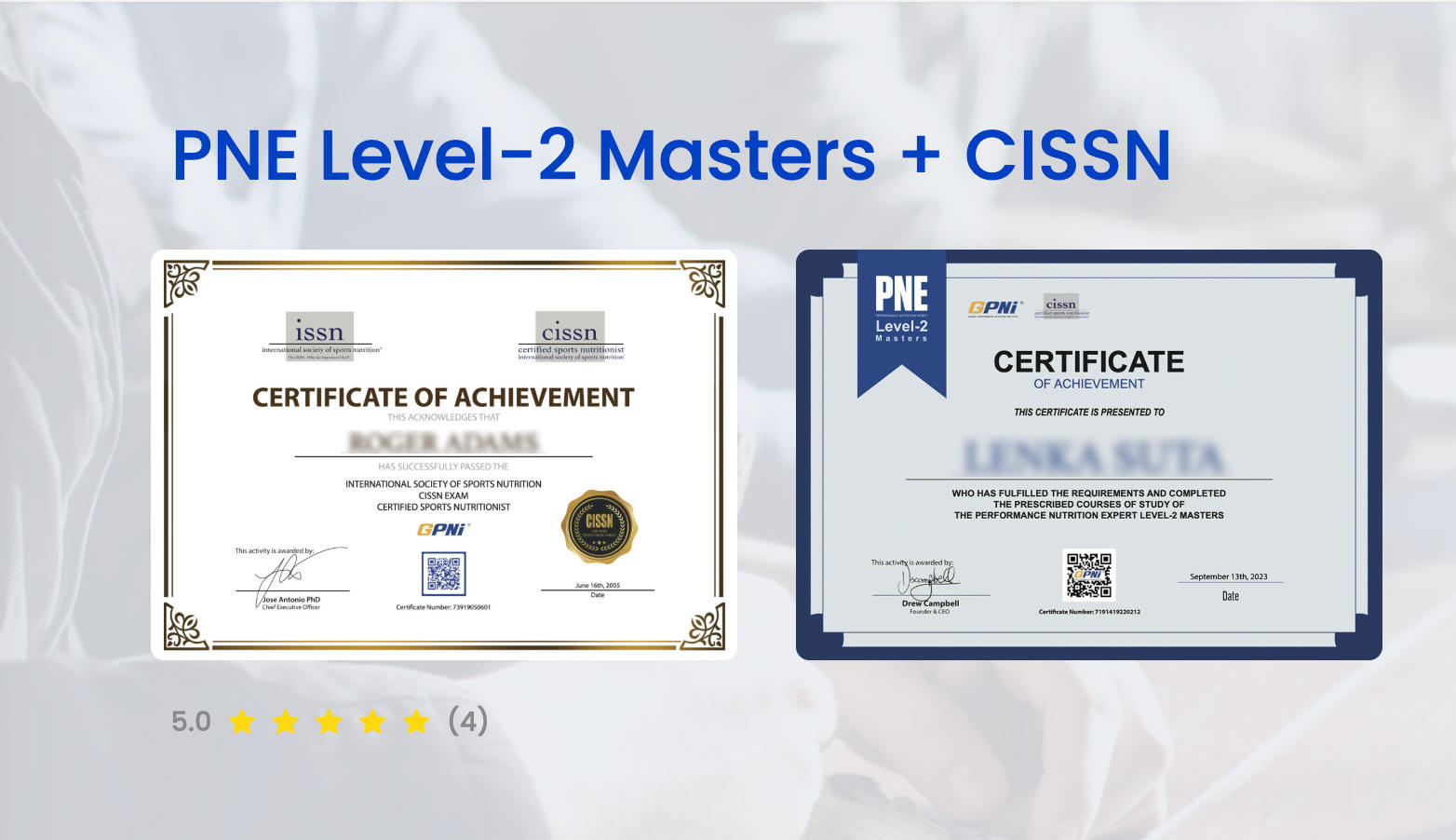
PNE Level-1 + ISSN-SNS or PNE Level-2 Masters + CISSN: Which Pathway Fits You?
Compare GPNi PNE Level-1 + ISSN-SNS and PNE Level-2 Masters + ISSN-CISSN pathways, including depth, application and career fit.

10 Sports Nutrition Careers Beyond Working Directly With Athletes
Explore 10 sports nutrition career paths in research, education, clinical exercise, scientific affairs, product development and more.
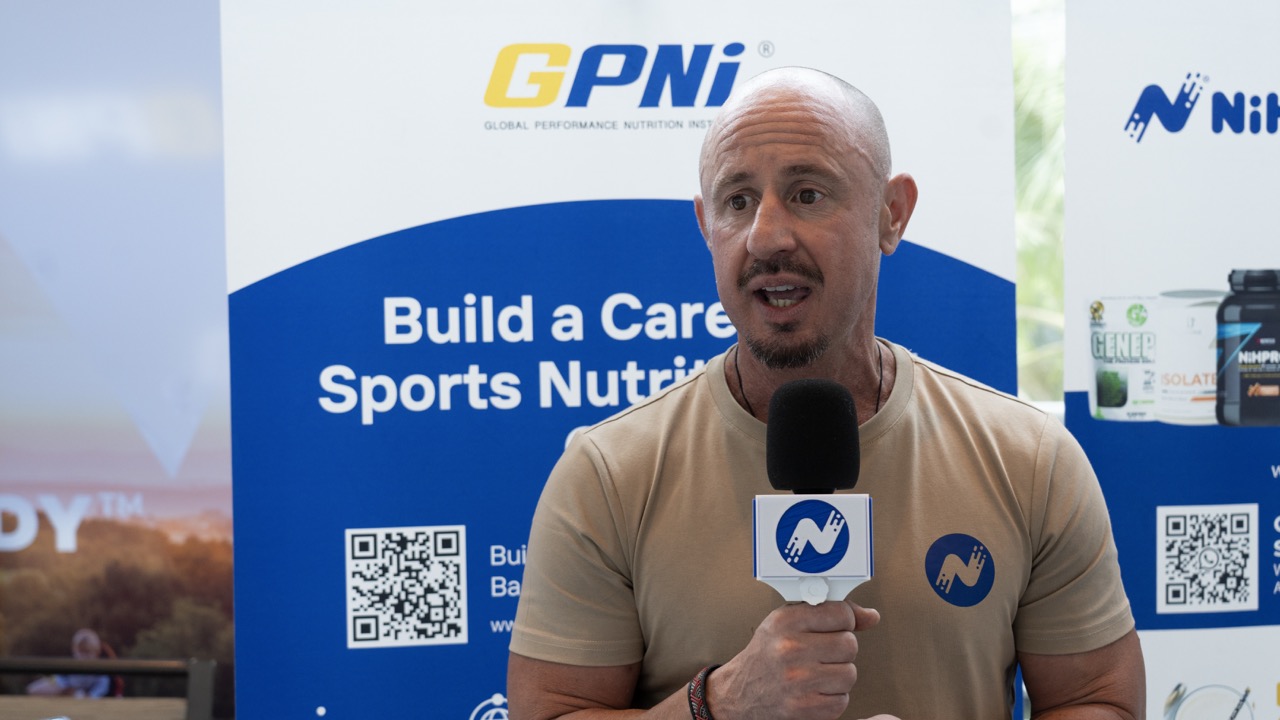
What 30 Years in Sports Nutrition Taught Me: Careers Are Built in Layers
GPNi founder Drew Campbell shares what three decades in sports nutrition taught him about building knowledge, credibility, connections and a lasting career.

Glucose Explained: How the Body Uses Sugar for Energy and Storage
It is often referred to as "just sugar," when in fact it has a much more significant role in health and performance

Pre-Workout Carbs Explained: How Much Do You Really Need?
The nutrition you consume before exercising can make or ruin a workout or competition. Carbohydrates are a key component of this puzzle.
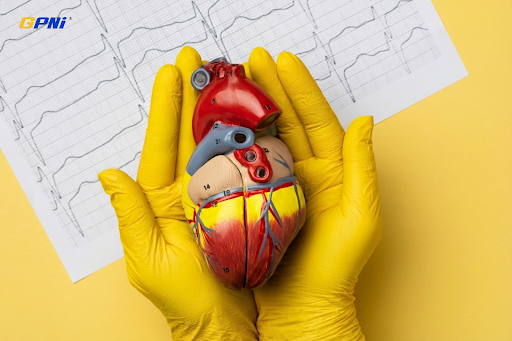
HDL Explained: Why “Good Cholesterol” Protects Your Heart
t is true that not all cholesterol behaves the same in the body. One particular type of cholesterol is protective for the heart. HDL is often called “good cholesterol,”.

Is Timing Everything? The Weekend Warrior vs. Regular Exercise Debate
Everyone knows exercise is good for you, but does it really matter how you fit it in? Do you have to work out every day, or can you just power through a few tough sessions on the weekend and still stay healthy?
A Word From the Founder - The Future of Sports Nutrition Belongs to Those Who Understand the Science
When I look back on my 30+ year career in sports nutrition, I realise something profound: every city, every conference, every lab, every factory, and every meeting with a world-class scientist

The Importance of Education in Sports Nutrition
Nutritional intake for athletes is now one of the primary aspects of reaching peak performance and long-term fitness for athletes
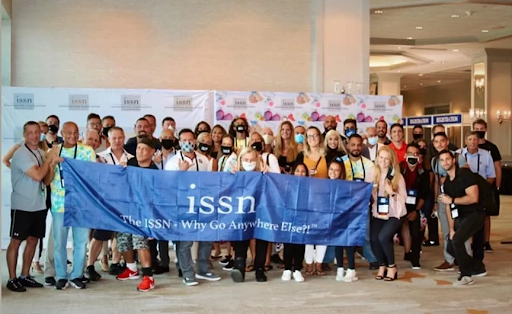
How to Become a High-Calibre Sports Nutrition Coach? – Part 4
In Part 3 of this guide, we explored something that doesn’t come from textbooks: real-world experience.
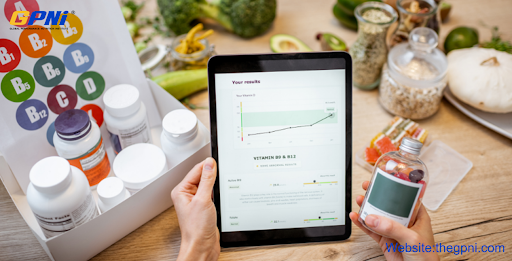
How to Become a High-Calibre Sports Nutrition Coach? - Part 3
In earlier parts of this series, we talked about what sports nutritionists and sports nutrition coaches actually do, and what types of qualifications and education you might pursue.
Article Categories
Insights from PhDs
Words from Chairman
Student Testimonials
Science Spotlight
Career News
Brain Bites
Webinars & Conferences
Performance Nutrition
Journal & Research
Trending Articles
International Society of Sports Nutrition position stand: safety and efficacy of creatine supplementation in exercise, sport, and medicine
May 15,2025

International Society of Sports Nutrition position stand: protein and exercise
May 15,2025

International society of sports nutrition position stand: Beta-Alanine
May 15,2025

How to Look Full, Dry, and Stage-Ready: Dehydrate or Not?
Nov 25,2025
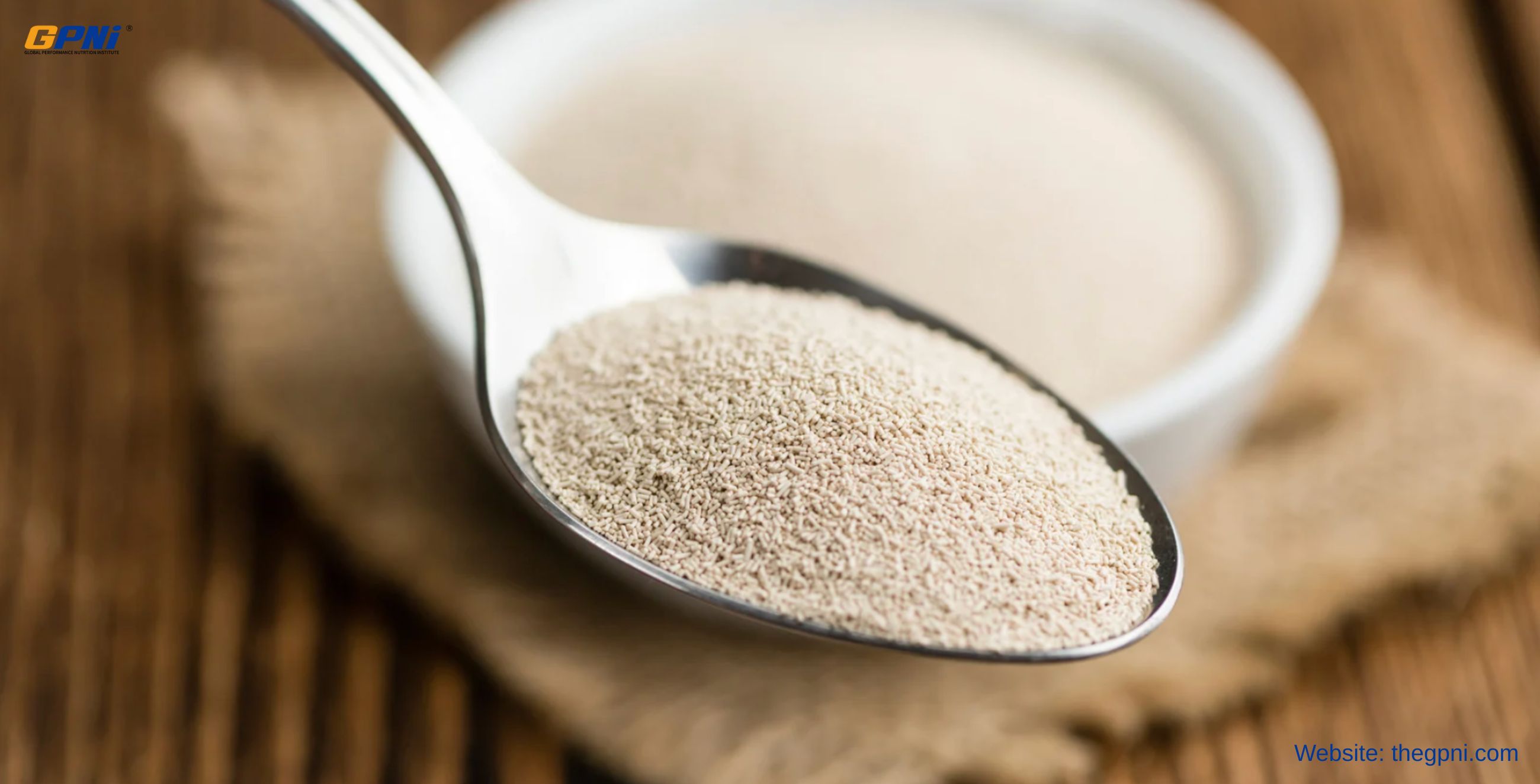
Reassessing Yeast Protein as an Alternative Protein Source
Mar 06,2026
Find us on


Subscription
Subscribe to our newsletter and receive a selection of cool articles every week
Follow us on Instagram
Stay connected and get the latest updates.


 Instagram
 Facebook
 YouTube
 Twitter
 Linkedin